
Packed camp tote beside a tent under cloudy skies, with a weather radio and map on a picnic table

Packing List for Camping: A Forecast-Driven Approach

Master your packing list for camping by using a 48-hour forecast review. Keep your core gear consistent and adjust layers, shelter, sleep system, and kitchen plan based on wind, rain, and overnight temperatures to pack efficiently and comfortably.

10 min read

A 48-Hour Packing Review That Saves Space and Stress

Checking the weather 48 hours before departure lets you confidently adjust your gear without last-minute stress.

Overpacking often results from uncertain weather. Instead of bringing everything, use a simple “48-hour packing review” to lock your core essentials and swap only the items affected by forecast changes.

This approach suits car camping well: you stay comfortable and prepared without hauling duplicate jackets or unnecessary tarps and kitchen gear.

Make this review a routine: check the forecast, set your thresholds, then swap layers, shelter, sleep gear, and kitchen items. CampMate supports this by letting you save a core template and toggle weather-specific modules.

  • When to do it: 48 hours before departure, plus a quick 10-minute check before you leave
  • What changes: clothing layers, shelter add-ons, sleep system warmth, stove and meal plans
  • What stays the same: your core essentials
“Pack your core like it is guaranteed. Pack your comfort like it is conditional.”
— CampMate field note

Keep Your Swaps Modular

Pack in small “weather modules” like Rain, Wind, and Cold Night so you add or remove a few items instead of rethinking your entire list.

Step 1: Read the Forecast Like a Camper

Focus on the hours you’ll be outdoors, especially evenings, nights, and early mornings.

A single chance-of-rain percentage isn’t enough. Pay attention to timing, wind, and overnight lows at your actual campsite elevation.

Start with a 48-hour hourly forecast and confirm it with a second source to build confidence.

  • Use the nearest point forecast for overnight lows rather than the nearest town
  • Sustained wind affects comfort and stove stability more than gusts; gusts impact tarps and awnings
  • Rain timing matters: rain after 2 pm packs differently than rain all night
  • Higher humidity and dew point increase tent condensation risk
  • Clear nights can feel colder; hot days require shade and extra water
“The best forecast is the one you convert into decisions.”
— Camp host advice, paraphrased

Translate the Forecast Into Campsite Moments

Ask yourself: How will it feel during setup, dinner, and at 3 a.m.? These moments drive most comfort decisions.

Step 2: Lock Your Core Essentials

Your core packing list provides safety and function and should remain unchanged despite forecast shifts.

Lock your core items first to avoid accidentally dropping essentials when adding weather gear.

For car camping, aim to fit your core into one tote plus your sleep kit, adjusting quantities for trip length but keeping categories consistent.

  • Sleep core per person: sleeping bag or quilt, sleeping pad, small pillow or stuff sack, sleep clothes
  • Light per person: headlamp with spare batteries or power bank; group lantern
  • Food and water: water bottles per person, extra group water container (10 - 15 L for weekends), travel snacks, salt, oil, and a versatile spice blend
  • Navigation and info: offline and paper maps, reservation details
  • Hygiene: toothbrush kit, hand soap, small towel, toilet paper, trash bags (2 to 4)
  • First aid basics: blister care, bandages, tape, tweezers, personal meds
  • Tools: multitool, lighter plus backup matches, repair tape, 10 - 15 m cord
  • Comfort (group): camp chairs, sunscreen, bug repellent, small tent broom or whisk
“If it is essential, it should be boring. Same place, same tote, every trip.”
— Experienced car camper rule

Assign Owners for Shared Core Items

Designate who brings shared gear like water containers, lanterns, trash bags, soap, and repair kits to avoid duplicates or missing items.

Step 3: Swap Your Clothing System Efficiently

Use a layering system to cover your forecast range without overpacking outfits.

For car camping, bring a base layer, mid layer for warmth, shell for wind and rain, plus one or two forecast-driven extras.

Choose insulation based on overnight low and wind; select rain protection according to precipitation timing.

The goal is to stay warm sitting still at camp, not just while hiking.

  • Always pack per person: 1 base layer top and bottom or sleep leggings, 2 pairs of socks, 1 warm hat, 1 sun hat or cap
  • Overnight low 50 - 60 F (10 - 16 C): light fleece or thin puffy, lightweight windbreaker or rain shell
  • Overnight low 40 - 50 F (4 - 10 C): warmer fleece or puffy, thin gloves, thicker or sleep socks
  • Overnight low 32 - 40 F (0 - 4 C): puffy plus fleece or one heavier insulated jacket, warmer gloves, neck gaiter, dedicated sleep base layers
  • Sustained wind 15+ mph (24+ km/h): true windproof shell, eye protection, buff, extra guylines for shelter
  • Rain during setup or dinner: rain pants or skirt, brimmed hat, dry bag or contractor bag for a dry clothes set
“Warmth at camp is mostly about blocking wind and staying dry, not carrying more cotton.”
— Layering principle

Pack One Dry Set and Protect It

Choose one base layer and socks to stay dry for sleeping. Store them in a zip or dry bag immediately to simplify wet-weather trips.

Step 4: Adjust Shelter and Sleep Gear for Cold and Condensation

Small shelter tweaks and matching sleep systems beat carrying bigger tents or extra blankets.

Your tent usually stays the same, but how you pitch it and what you add changes with wind, rain, and cold nights.

Sleep comfort depends on pad insulation and bag rating plus managing drafts and moisture.

If you adjust only one thing for colder nights, prioritize upgrading your sleeping pad.

  • For rain: use a footprint fully under the tent, add a doormat or foam pad for muddy entry, bring 2 extra trash bags for wet gear
  • For wind: pack 6 - 10 stakes including stronger ones, 2 - 4 extra guylines, pitch narrow end into wind, avoid large tarp sails unless well secured
  • Condensation control: vent tent high and low, avoid drying wet clothes inside, wipe walls with a small towel in the morning
  • Sleep system by overnight low:
  • 50 - 60 F (10 - 16 C): 3-season bag or quilt, standard inflatable or foam pad
  • 40 - 50 F (4 - 10 C): warmer 3-season bag, higher insulation pad, light liner if owned
  • 32 - 40 F (0 - 4 C): 20 - 30 F rated bag (10 - 15 F below forecast low), higher insulation pad, warm sleeping hat
  • If rain all night: consider a small tarp for a dry doorway or cooking cover if you can stake it securely; otherwise prioritize quick rainfly pitch and sheltered cooking
“Your pad is the foundation. Insulation underneath is not optional when nights get crisp.”
— Sleep system reminder

Use a 10 to 15 Degree Buffer for Bag Ratings

Sleep best by choosing a bag rating about 10 to 15 F lower than the forecast low. Increase buffer or pad insulation if you tend to get cold.

Step 5: Tune Your Kitchen Setup to Weather Conditions

Wind and rain affect cooking more than temperature. Match stove and meals to the forecast for easy dinners.

A forecast-driven kitchen focuses on reliability and cleanup. Stable stoves and wind protection are key for windy days. For rain, choose low-mess meals and keep gear dry.

Keep your kitchen core consistent and swap stove type, fuel, and meal style as needed.

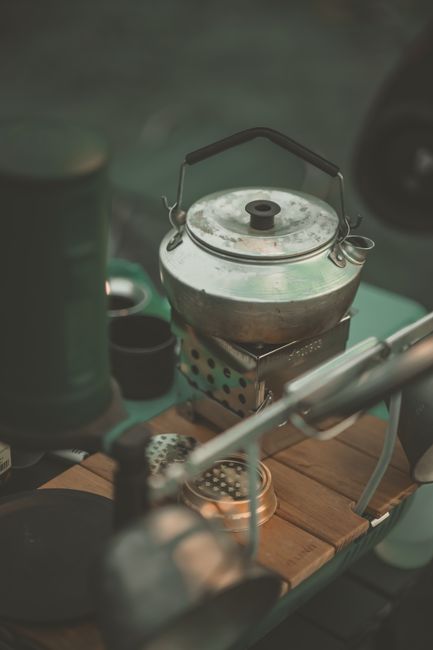
  • Kitchen core for group weekend: stove, lighter plus backup, 2 - 3 L pot with lid, optional pan, small cutting board, knife, spoon or spatula, collapsible wash bin, biodegradable soap, scrubber, 2 quick-dry towels, paper towels, food storage containers
  • Fuel guide: 1 small isobutane canister for simple boiling meals for 2 people; 2 canisters for cooked meals and coffee; propane two-burner needs 1 full 1 lb cylinder for weekend or 5 lb tank for longer trips
  • Wind module (sustained 15+ mph): stable stove like two-burner propane, windscreen if safe, longer matches, extra clips for towels and bags
  • Rain module: low-mess meals (one-pot pasta, chili, curry, upgraded ramen), pre-chop food, extra zip bag for trash, tablecloth or plastic sheet
  • Cold mornings: focus on hot drinks and quick breakfasts like oatmeal packets, pre-made breakfast burritos, instant coffee, insulated mugs per person
  • Fire plan: if rain is expected, don’t rely on campfire for cooking; bring fire starters and keep expectations flexible for ambiance
“The best camp meal in bad weather finishes fast and cleans up faster.”
— Camp kitchen rule

Decide Your Rain Dinner Before You Arrive

Choose a meal you can cook quickly under shelter or between showers and add it to your list to avoid improvising with wet hands.

Step 6: Final 10-Minute Pre-Departure Forecast Check

Before you leave, confirm your forecast and adjust only key items to avoid big mistakes.

Forecasts can change overnight. Your goal is to avoid major misses like the wrong sleeping bag or stove setup.

If you use CampMate, duplicate your core template, toggle weather modules, and assign shared items to avoid last-minute confusion.

  • Overnight low change of 5 to 10 F? Adjust sleeping bag or add warmer sleep layers
  • Sustained wind 15+ mph? Add stakes, guylines, and confirm stove stability
  • Rain during setup? Place rain gear and tarp on top of your car for quick access
  • Lightning or storms? Choose a quick dinner and reduce exposed cooking time
  • Recent rain? Add doormat, extra towel, and a wet bag for shoes
  • Hot or dry conditions? Increase group water supply by 5 L for the weekend
  • Check batteries for headlamps, lantern, power banks; pack spares
“The last check focuses on big levers, not second-guessing every sock.”
— Pre-departure mindset

Pack Your Arrival Kit Last

Keep your headlamp, rain shell, tent stakes, and tent accessible for quick setup if weather changes on arrival.

FAQ: Common Forecast-Driven Packing Questions

Simple answers to typical “should I bring it?” questions for car camping.

Use these practical rules to make quick decisions for weekend trips.

  • How cold is cold? Below 50 F (10 C) overnight means plan for sitting-still warmth with a mid layer, windproof shell, and sleep system suited to the low, not daytime highs.
  • What wind speed changes packing? Sustained 15+ mph (24+ km/h) means add stakes and guylines, prioritize a windproof shell, and choose a stable stove. Gusts require skipping large tarps unless well anchored.
  • If the forecast says 30% rain, do I bring full rain gear? Pack full rain gear if rain overlaps setup, dinner, or overnight. For brief daytime chances, a rain shell and layered clothing usually suffice.
  • What if the forecast changes after arrival? Stick to your core, adjust behavior: pitch rainfly early, vent tent to reduce condensation, and choose simple meals.
  • Do I need a tarp every time it might rain? Not always. Well-pitched tent with rainfly often suffices. Bring a tarp if rain is expected during cooking and you can stake it safely.
“Consistency beats complexity when packing on a deadline.”
— FAQ takeaway

Write Your Personal Thresholds Once

Note your triggers (e.g., low under 45 F, wind over 15 mph, rain during setup) in your packing notes for consistent decisions every trip.

Make Forecast-Driven Packing Repeatable

Bring the right gear every time by separating core essentials from weather-sensitive items.

The 48-hour review works because it distinguishes what always stays (core items) from what depends on conditions (layers, shelter tweaks, sleep gear, kitchen).

With clear swap rules, you avoid overthinking and pack efficiently.

Build a core list plus Rain, Wind, and Cold Night modules. Use CampMate to save templates, duplicate for trips, and assign shared items to reduce duplicates.

Do the 48-hour review and final refresh to arrive with a kit perfectly matched to the forecast.

  • Lock your core first, then swap only weather modules
  • Use overnight low, wind, and precipitation timing as main inputs
  • Prioritize pad insulation and wind blocking for comfort without excess bulk
“A good list is a living tool, not a one-time download.”
— Camp planning principle

Update Your List After Each Trip

Add notes about what you didn’t use and what you wished you had. Small tweaks keep your template dialed in.

Continue the journey

Create Your Reusable Forecast-Driven Packing Template

Save a core packing list once, then add Rain, Wind, and Cold Night modules for quick updates when the forecast changes.

Related Articles

Continue exploring camping tips and packing guides