
Flat lay of camping layers, rain jacket, tarp, and tent stakes on a picnic table with a cloudy sky in the background
Weather ReadyTrip Setup

Weather-Smart Camping Packing Tips: Adjust Your List to the Forecast

Pack lighter, stay warmer, and handle surprise showers by building a camping packing list that changes with the forecast. Use a simple weather check routine to dial in layers, shelter, and rain gear for the conditions you are actually heading into.

6 min read

Pack for the forecast, not for every possible season

Most overpacking happens when we pack for our worries instead of our weather. The fix is simple: make the forecast the first item on your checklist, then let it shape everything else you bring.

In this guide, you will learn a repeatable way to translate a forecast into a smarter packing list, especially for layers, shelter, and rain protection. If you use CampMate, its Weather-aware packing feature helps you adjust your list around the forecast so your essentials match the trip ahead without rebuilding your checklist from scratch.

    The 3-number forecast check

    Before you pack, write down: overnight low, wind speed, and chance of precipitation. Those three numbers drive most comfort decisions.

    Step 1: Read the forecast like a camper (not like a commuter)

    A weather app summary is not enough. For camping, you care most about what happens when you are inactive: early morning coffee, evening cooking, and sleeping. That is when small weather differences feel big.

    Focus on these forecast details and how they affect your list:

    • Overnight low: determines sleep insulation and warm layers
    • Wind: increases heat loss and can demand better stakes, guylines, and a windproof layer
    • Precipitation chance and timing: affects rain gear, pack liners, and shelter add-ons like a tarp
    • Humidity and cloud cover: can make cool temps feel colder and slow drying
    • Temperature swing: large swings call for a flexible layering system

    Check the right location

    Use the forecast for the campsite area, not the nearest town. Elevation and exposure can change temps and wind quickly.

    Step 2: Build a forecast-based layering plan (simple and modular)

    A good layering system is the easiest way to pack less while staying comfortable. Instead of bringing multiple bulky outfits, bring a few pieces that stack well and cover a range of conditions.

    Use this practical framework and adjust based on the overnight low and wind:

    • Base layer: moisture-wicking top and bottom for sleep or chilly mornings
    • Mid layer: fleece or light insulated jacket for camp downtime
    • Shell: windproof or waterproof layer depending on wind and rain
    • Leg plan: hiking pants or shorts plus a warm layer if nights are cool
    • Socks and headwear: warm socks and a beanie go a long way for minimal weight

    One warm outfit rule

    Always pack one dedicated warm set for camp and sleep. Keep it dry and do not hike in it.

    Step 3: Match your shelter and sleep system to rain, wind, and lows

    Shelter and sleep are where weather mistakes feel the biggest, but small add-ons can solve most problems. Think in terms of coverage, ventilation, and ground moisture.

    Adjust these items to the forecast:

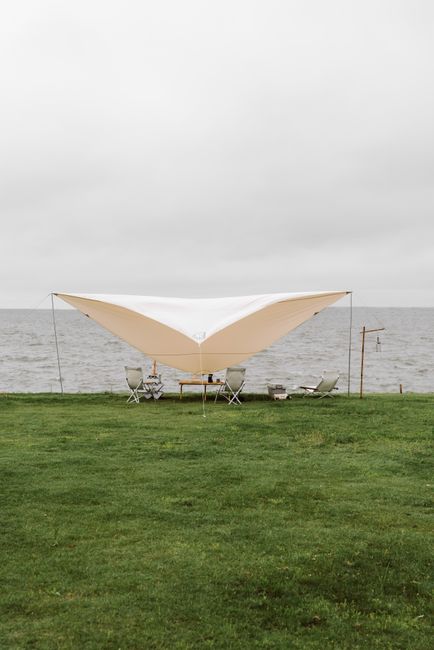
    • If rain is likely: add a tarp or vestibule plan, extra guylines, and a small microfiber towel for wiping condensation
    • If wind is up: bring stronger stakes, a mallet if needed, and confirm your tent fly can be fully guyed out
    • If nights are colder: upgrade sleep insulation (warmer bag or quilt) and add a sleeping bag liner or extra blanket
    • If the ground may be wet: pack a groundsheet footprint and a waterproof stuff sack for sleep gear
    • If it will be warm and calm: prioritize ventilation, bug protection, and lighter bedding

    Condensation is a forecast too

    Cool nights plus humidity often means a damp tent interior. Pack a small cloth and vent your shelter whenever possible.

    Step 4: Rain gear choices that keep you moving and your gear dry

    Rain gear is not just a jacket. The goal is to stay comfortably warm while keeping core items dry. Even a light shower can soak your hoodie, chill you at camp, and make the rest of the trip feel clammy.

    Use the forecast to decide how robust your rain setup should be:

    • Light, scattered showers: pack a reliable rain jacket and a pack cover or liner
    • All-day rain potential: add rain pants, waterproof gloves or mitt shells, and dry bags for clothes and sleep gear
    • Short storms with wind: prioritize a jacket with a good hood and a windproof shell layer
    • Wet campsite: bring extra socks and a plan for keeping one pair dry for sleeping

    Keep one dry core kit

    Always protect sleep clothes, insulation layer, and sleeping bag or quilt in a waterproof liner or dry bag, regardless of rain chance.

    Step 5: Turn the forecast into a checklist you can trust

    Once you know the conditions, your packing list should update fast. The easiest approach is to start with a standard list, then add or swap items based on the forecast triggers you identified.

    Here is a quick workflow you can use every trip:

    • Start with your base list (sleep, shelter, kitchen, clothing, safety basics)
    • Add weather-specific items (extra stakes, tarp, rain pants, warmer insulation)
    • Remove redundancies (extra hoodies, duplicate jackets, too many spare clothes)
    • Do a final check the night before and again the morning you leave

    Where CampMate fits in

    In CampMate, Weather-aware packing helps you adjust your packing list around the forecast so layers, shelter, and rain gear align with the conditions you are heading into. It is a handy way to keep your list consistent while still packing for the weather you actually have.

    A forecast-proof list feels lighter and camps better

    Weather-smart packing is not about bringing more gear. It is about bringing the right gear, plus a few small upgrades that match the forecast: a modular layering system, a shelter plan for wind and rain, and a dry-core strategy for sleep comfort.

    Do the 3-number check, build your layers around the overnight low, and let rain and wind decide your shelter add-ons. With a repeatable system, you will pack faster, carry less, and spend more time enjoying camp.

      Make it a habit

      Save your best-performing list, then tweak it for each trip based on the forecast. Over time, you will build a personal, reliable setup for every season.

      Continue the journey

      Make your packing list match the forecast

      Use CampMate to plan your trip and fine-tune your packing list with Weather-aware packing, so your layers, shelter, and rain gear fit the conditions ahead.

      Related Articles

      Continue exploring camping tips and packing guides