
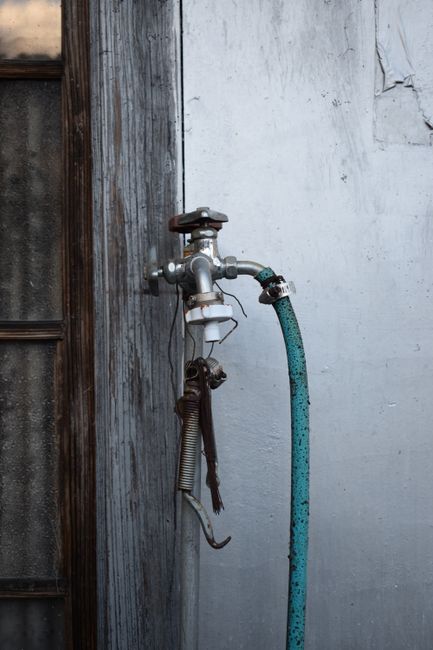
RV water hose connected to a campground spigot with an inline water filter and pressure regulator
Gear & PackingTrip Setup

RV Water Purification Product Recommendations for Better Tasting, Cleaner Campsite Water

From campground hookups to boondocking fills, a simple water purification setup can improve taste, reduce odors, and help you feel more confident about your RV water. Here is a practical, outdoorsy guide to choosing the right products and building an easy system.

6 min read

Why RV travelers talk about water purification so much

If you have ever filled up at a new campground and noticed a chlorine taste, a hint of sulfur smell, or just “different” water, you are not alone. RV travelers swap water purification recommendations constantly because water quality can vary from one stop to the next.

The good news is that you do not need a complicated setup to get noticeably better tasting water. A few well chosen products can cover most situations, whether you are connected to city water or filling your fresh tank for a few days off grid.

    Quick mindset shift

    Think in layers: protect your RV plumbing first, improve taste second, and add true purification only if your travel style needs it.

    Filter vs purifier: pick the right tool for your travel style

    Not all “water” products do the same job. Many RV friendly products are filters designed to improve taste and reduce common contaminants. Purifiers are aimed at making questionable water safer by targeting microbes, usually with tighter filtration, UV, or chemical treatment.

    For most campground hookups, a quality filter setup is the sweet spot. If you often fill from unknown sources or rely on natural water, you may want a purifier layer as well.

    • Sediment filtration: helps with grit and rust, protects fixtures and appliances
    • Carbon filtration: improves taste and odor, can reduce chlorine and some chemicals
    • Purification layer: targets microbes using ultra filtration, UV, or treatment drops/tablets

    Easy decision rule

    Mostly campgrounds and RV parks: prioritize sediment plus carbon. Frequent remote fills: add a purifier option you can use on demand.

    A simple, reliable campground hookup setup

    A practical hookup system focuses on consistency and protecting your RV. Many readers recommend starting at the spigot and working toward the rig, so you catch sediment early and keep your hoses cleaner.

    This setup is quick to assemble, easy to troubleshoot, and works well across a wide range of water sources.

    • Spigot: pressure regulator to help protect RV plumbing
    • Sediment pre filter (optional but helpful in older parks)
    • Inline carbon filter (RV hose compatible)
    • Drinking water safe hose, then into the RV

    Taste upgrade

    If your water still tastes off, add a second carbon stage near the kitchen (like an under-sink filter) instead of stacking multiple inline filters at the spigot.

    Fresh tank fills and boondocking: keep water clean from source to faucet

    When you fill your fresh tank, you are storing water, not just using it. That makes cleanliness and maintenance more important. A good fill filter helps, but a little routine goes a long way for taste and confidence.

    If you use a portable container, transfer pump, or gravity fill, consider filtering during the fill and again at the drinking tap.

    • Use a dedicated fill hose and keep the ends capped when stored
    • Filter during the fill to reduce sediment and taste issues before water enters the tank
    • Sanitize the fresh tank on a regular schedule based on use and storage time
    • Consider a point-of-use filter at the kitchen for the best drinking water taste

    Storage tip

    Let hoses drain fully before packing up. A dry hose stored with caps stays fresher and is nicer to use at the next stop.

    Product types RVers commonly recommend (and when they shine)

    Rather than chasing one perfect product, match the product type to the job. Many RV travelers build a small kit that covers hookups, tank fills, and drinking water separately.

    Here are the most common categories to consider when you are comparing recommendations.

    • Inline hose filters: fast, affordable, great for improving taste at campground hookups
    • Canister style external filters: higher flow and often better media options, good for frequent travelers
    • Under-sink filters: best taste at the kitchen tap, convenient for daily drinking and cooking
    • Gravity or bottle purifiers: handy backup for hikes, day trips, or extra peace of mind when sourcing water

    Avoid over-filtering

    Too many stages at the spigot can reduce flow. If showers and dishes feel slow, move your “best taste” filtration to the kitchen faucet instead.

    Build a water setup you will actually use

    The best RV water purification setup is the one that fits your camping rhythm. Start with a solid baseline for hookups, keep your fresh tank routine simple, and add a point-of-use drinking filter if taste matters to you.

    With a small kit and a repeatable process, you can roll into new campgrounds knowing your water will be more consistent and your RV plumbing will be better protected.

      CampMate-friendly checklist idea

      Save your water setup as a packing checklist: pressure regulator, inline filter, hose caps, spare cartridge, and a quick reminder for tank sanitizing intervals.

      Continue the journey

      Plan your next trip with cleaner water in mind

      Use CampMate to build a packing checklist, track tank maintenance reminders, and keep your campground notes so your water setup stays consistent from stop to stop.

      Related Articles

      Continue exploring camping tips and packing guides