
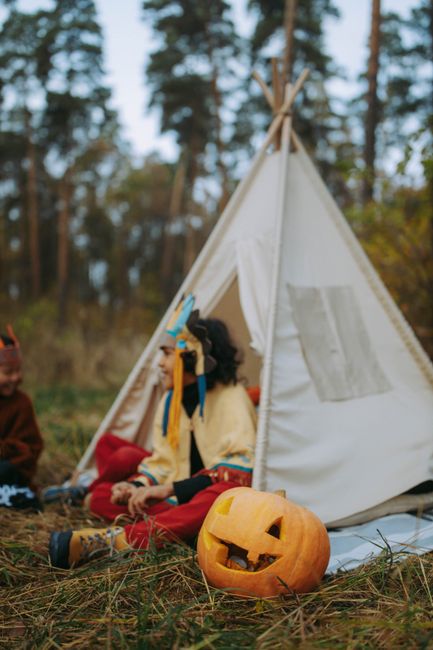
Autumn campsite with a small pumpkin, warm battery lanterns, and removable Halloween decorations

Halloween Camping: Plan a Festive, Campground-Friendly Weekend

Plan a Halloween camping weekend with confirmed event details, removable decorations, affordable activities, and a weather-ready itinerary that respects your neighbors.

12 min read

Halloween Camping Gets Its Fall Travel Moment

Turn the seasonal buzz into an easy weekend, not a campsite full of props.

The Yahoo Creators headline “Halloween camping is becoming a full-blown fall travel trend” puts a timely name to a cheerful idea: combine an autumn camping trip with a little Halloween celebration. That headline is a starting point for inspiration, not a guarantee that every campground offers themed events. The practical question is what is happening at the place you want to book.

A successful Halloween camping weekend does not need elaborate decorations or a packed entertainment schedule. Choose one main activity, one optional extra, and a comfortable place to gather. Then confirm what the campground permits, how organized events work, and what you will do if the forecast changes.

This guide covers the celebration layer of your trip. Start with your usual camping essentials and forecast-appropriate overnight gear, then add a small Halloween kit. The goal is a festive weekend that stays easy to pack, pleasant for neighboring campers, and quick to clean up.

    1. Choose Campground Events or a DIY Celebration

    Decide who is providing the entertainment before choosing where to stay.

    An organized Halloween weekend can reduce your planning work if the campground offers activities that suit your group. Look for a current schedule rather than assuming last year's costume parade, pumpkin contest, or treat route will return. Events may run on selected October weekends rather than on Halloween itself.

    A DIY celebration gives you more control over timing, cost, and atmosphere. It works well for adults who want a relaxed themed dinner or families who prefer a short craft session to a full event calendar. Check permission for activities beyond ordinary campsite use, particularly outside visitors, larger gatherings, decorations, and treat distribution.

    For a mixed group, a hybrid plan is often simplest: join one campground activity and keep one small activity at your site. Leave the rest of the weekend open for walks, cooking, and downtime. If a quieter stay matters most, ask how close your site is to event areas and whether a less busy loop is available.

    • Choose organized events if your group wants a published schedule and activities run by campground staff.
    • Choose DIY if your group prefers flexible timing and a small celebration, provided the campground permits your plans.
    • Choose a hybrid if some campers want costumes and others mainly want a quiet weekend outdoors.
    • Before inviting friends, check campsite occupancy limits and whether campers from several sites may gather at one campsite.
    “Plan the celebration around the campground, not the campground around the celebration.”
    — CampMate planning principle

    2. Confirm Event Dates, Fees, and Campground Rules

    Get the details before paying for a trip built around a specific activity.

    Read the campground's current event page, then contact the office about anything unclear. Save the answers with your reservation confirmation so everyone in the group has the same information. An event poster may list the fun parts without explaining registration, visitor access, or cancellation policies.

    Build your budget from the full cost: campsite nights, reservation charges, event passes, separately priced activities, visitor or extra-vehicle fees, and your own supplies. Check minimum-stay requirements and the booking's cancellation terms, too. If a paid activity is the main reason for traveling, ask what happens when weather changes the program.

    • Dates and timing: Which weekend has Halloween activities, and when will the final schedule be available?
    • Participation: Are events open to all registered campers? Do any require advance signup, separate tickets, or age-specific sessions?
    • Adults: Can adults join costume parades, crafts, and contests? Are there adult categories or separate sessions?
    • Visitors: Are outside guests allowed that weekend? Confirm fees, arrival hours, registration, parking, and the departure deadline.
    • Site limits: How many people and vehicles may occupy each site, and may campers from multiple sites gather together?
    • Decorations: Which attachments, lights, freestanding props, and sound effects are permitted? Are there setup and removal deadlines?
    • Treats: Is campsite trick-or-treating organized or allowed? What identifies participating sites, and are there rules for food or nonfood items?
    • Weather: Which activities move under cover, which may be canceled, and are any activity fees refundable?
    • Campground operations: Confirm check-in, checkout, quiet hours, fire restrictions, and which seasonal facilities will be open.

    Keep one shared event note

    Record confirmed dates, fees, visitor rules, activity times, and the office contact in your trip notes. Keep those details alongside your CampMate trip plan and packing list so the Halloween extras do not become a separate planning project.

    3. Use Removable, Low-Impact Halloween Decorations

    Create one small display inside your site and leave walking routes clear.

    A pumpkin on your picnic table, a fabric banner on your own permitted shelter, and a few battery lanterns can make a campsite feel festive without turning setup into a construction project. Ask before attaching anything to campground tables, posts, trees, or other property. Even removable tape can leave residue or lift a finish.

    Keep decorations within your assigned space and away from paths, roads, utility connections, and cooking areas. Do not assume candles, amplified sound, fog machines, projectors, inflatables, or powered displays are allowed. Bright lights and looping sound effects can make even a small display intrusive.

    Skip loose glitter, confetti, fake cobwebs, and tiny decorative pieces that are difficult to retrieve. Follow campground wildlife rules for storing pumpkins, treats, and other food when unattended. At departure, take pumpkins home or use an explicitly designated disposal option. Leaving them in vegetation is not cleanup.

    • For one campsite, pack one or two small pumpkins, one reusable fabric banner, and two battery lanterns.
    • Bring four to six reusable straps or clips for your own gear, subject to the campground's attachment rules.
    • Use one lidded tote for decorations, markers, and reusable game supplies so everything has a return-home container.
    • Choose battery lighting with a timer or switch, direct it into your site, and turn it off by the campground's required time.
    • Avoid ground-level cords where possible. If electrical decorations are permitted, use outdoor-rated equipment and keep access routes clear.

    4. Pick Two Easy, Affordable Camping Activities

    Short activities with reusable supplies leave plenty of time for actual camping.

    For a two-night trip, plan one 30- to 45-minute main activity and one 15- to 20-minute backup. If the campground already offers a parade or treat route, count that as an activity rather than adding more. Adults can enjoy the same simple games or choose a separate theme, such as campsite trivia and a costume-accessory challenge.

    Pumpkin decorating with washable markers avoids carving tools and loose pulp. Test the markers on your chosen pumpkins before packing, since some washable inks may not adhere well. Keep caps and supplies in a tray, and use an approved covered table if the weather turns.

    Keep food activities equally simple. A themed dinner can mean familiar chili or soup with a Halloween name rather than several special recipes. Plan for dietary preferences, follow campground food-storage rules, and do not leave a communal snack table unattended.

    • Pumpkin decorating for six people: bring six small pumpkins, two packs of suitable washable markers, one reusable table cover, one supply tray, and a cleanup cloth. Allow 30 to 45 minutes.
    • Costume-accessory parade: ask each participant to bring one hat, cape, or themed accessory that fits over warm layers. Follow a campground-approved route or stay within your group's site.
    • Halloween trivia: prepare 15 questions, one answer sheet per team, and two spare pencils. Play for about 20 minutes and include picture rounds for younger participants.
    • Reusable beanbag toss: pack six beanbags and two freestanding buckets. Play within your site, away from roads and neighboring campsites.
    • Nature-color bingo: print one card per person and look for colors or shapes without collecting plants or entering occupied sites.
    • Adults-only option: pair a themed dinner with trivia or a costume-accessory vote, keeping music and conversation within campground limits.

    Buy treats after checking the route

    Ask staff for an approximate participant count. If they expect about 30 visitors, 35 to 40 individually wrapped portions provide a modest buffer. Do not buy for the entire campground without an estimate, and check whether nonfood alternatives are permitted.

    5. Build a Flexible Weekend Itinerary

    Anchor your plans to confirmed events, daylight, weather, and quiet hours.

    Use this sample as a framework, not a promise of campground programming. Replace the Saturday event slot with the confirmed schedule, and leave time between activities for meals, clothing changes, and walking across the campground. Arriving before dark makes setup and decoration placement much easier.

    A covered alternative only works if you have permission to use it. Ask whether a pavilion or recreation room is available, whether reservations are required, and whether food or crafts are allowed. An RV can be a backup for a small group within its capacity, but it is not automatically a gathering space for everyone.

    If there is no suitable indoor or covered option, bring a compact game that fits your shelter and be willing to cancel outdoor activities. Do not put up a canopy solely to preserve the itinerary when conditions exceed its limits. Check the latest forecast and campground updates before departure and again after arrival.

    • Friday, before dark: check in, confirm schedule changes, set up camp, and arrange your small decoration display.
    • Friday, after dinner: play a 20-minute trivia round, then settle into a quiet evening. Switch off decorative lights at the required time.
    • Saturday morning: enjoy breakfast and a short walk. Keep this period open rather than starting another large activity.
    • Saturday afternoon: decorate pumpkins at your site or an approved covered table, allowing time for cleanup.
    • Saturday late afternoon or evening: join the confirmed parade or treat route. If there is no organized event, use your permitted DIY activity instead.
    • Saturday dinner: serve a simple shared meal and finish noisy group activities before quiet hours.
    • Sunday morning: pack decorations first, inspect the site for small pieces, and leave before checkout.

    Pack a small weather module

    For rain, add one waterproof lidded tote for activity supplies, one rain shell per person, and two absorbent cleanup cloths. For chilly evenings, bring one warm hat and one dry insulating layer per person, with costumes sized to fit over them. Confirm that sleep systems suit the forecast overnight low. For wind, remove hanging decorations and follow shelter manufacturers' limits. Move to an approved indoor space or skip the activity.

    6. Share the Packing and Respect Your Neighbors

    Assign celebration supplies once and make participation clearly optional.

    For six campers across two sites, assign one person to bring the decoration tote, one to bring the activity kit, and one to coordinate dinner and confirmed event details. Each camper brings their own costume accessory, warm layers, rain shell, and headlamp. Agree on shared spending before anyone shops, and keep group gatherings within the campground's limits.

    Treat distribution should follow the campground's system. Use its approved participation signal, stick to designated hours, and do not send visitors toward unmarked sites. Keep treats in their original wrappers, make ingredient labels available, and avoid describing any item as universally allergy-safe. Offer a permitted nonfood alternative if you want another choice.

    Quiet hours are the latest limit, not a reason to be loud until the final minute. Keep speakers off unless allowed, avoid calling across sites, and choose costume accessories that will not drag through mud or block your view during a nighttime walk. Let neighbors enjoy their own version of an autumn weekend, whether or not it includes Halloween.

    Before leaving, check under the picnic table, around the tent footprint, and beside the parking area. Count reusable supplies back into their tote. Take home decorations, pumpkins, leftover treats, and anything the campground does not explicitly accept.

    • Decoration lead: one tote, one or two pumpkins, one banner, two battery lanterns, and permitted attachment supplies.
    • Activity lead: the chosen game or craft kit, supplies sized to the group, and one compact weather backup.
    • Meal lead: one agreed shared dinner, serving tools, food-storage arrangements, and cleanup supplies.
    • Every camper: personal camping gear, forecast-appropriate clothing, one headlamp, and any individual costume accessory.
    • Whole group: agree on the gathering location, shared costs, quiet-time expectations, and Sunday cleanup time before the trip.

    Halloween Camping FAQ

    Rules and event details vary, so verify these answers for your campground.

    • Are Halloween campground events included in the campsite fee? Sometimes, but not always. Ask whether your booking includes event access and whether crafts, contests, or other activities require separate fees or registration.
    • Can adults participate in Halloween camping events? It depends on the event. Confirm whether adults may enter parades and contests, whether there are adult categories, and whether any sessions are reserved for children.
    • What Halloween campsite decorations are allowed? The campground decides. Ask about lighting, freestanding displays, attachments, sound, power use, and removal deadlines. Small battery-lit displays on your own gear are worth proposing, but they are not automatically permitted.
    • Can friends visit without camping overnight? Only if visitor rules allow it. Confirm registration, admission fees, parking, site occupancy limits, and the time visitors must leave.
    • Can we hand out candy from our campsite? Check whether treat distribution is allowed and whether the campground uses a designated route, schedule, or participation marker. Follow food and wildlife-storage rules as well.
    • Do Halloween camping events always happen on October 31? No. Campgrounds may schedule celebrations on selected October weekends. Check the current event dates before booking.
    • What if weather changes the activity schedule? Ask the office for updates and use only approved indoor or covered spaces. Keep a compact backup activity and be ready to skip decorations or events that no longer suit conditions.

    Keep the Celebration Small and the Weekend Fun

    A few confirmed plans leave more time to enjoy autumn outdoors.

    The best Halloween camping plan starts with confirmed permissions and a realistic schedule. Choose the campground experience first, verify the complete cost, and build your celebration around one main activity plus an easy backup.

    Keep decorations removable, assign shared supplies to named people, and plan cleanup before you arrive. Once those details are settled, you can enjoy the costumes, pumpkins, and autumn atmosphere without spending the whole weekend managing an event.

      Continue the journey

      Keep Your Halloween Camping Plan Together

      Use CampMate to organize your trip and packing list, including the small celebration kit that makes this weekend different.

      Related Articles

      Continue exploring camping tips and packing guides