
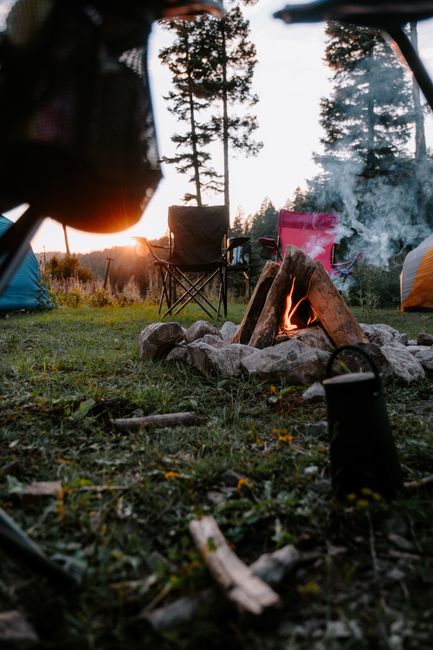
A tidy campsite with a pitched tent, camp chairs, and a lantern on a picnic table at sunset
Trip SetupGear & Packing

Camping With Kids: What to Pack First, What to Skip, and How to Keep It Simple

Family camping gets easier when you focus on a few high impact essentials and skip the clutter. Here is a practical, parent-tested packing approach that keeps camp comfy, organized, and fun.

6 min read

Keep family camping simple: comfort first, extras second

The secret to camping with kids is not bringing more gear. It is bringing the right gear, setting up the few comfort items that change everything, and letting the rest be optional.

If you have ever arrived at camp and felt like you were unpacking a small apartment, this guide is for you. Below is a streamlined plan built around what families actually use, plus a short list of items that sound helpful but often just add clutter.

  • Aim for a quick setup: shelter, sleep, light, and a simple food plan
  • Pack by moments: arrival, bedtime, meals, and morning
  • Choose multi-use items over single-purpose gadgets

CampMate quick win

Create a reusable “Family Basecamp” packing list in CampMate with four headings: Setup, Sleep, Food, and Fun. Every trip, remove what you did not use last time.

The first thing to set up: a cozy basecamp zone

When kids arrive at a campsite, they need a clear “home base” right away. Set up the tent first, then immediately create a small comfort zone outside it. This reduces wandering, helps everyone settle in, and makes the rest of setup feel calmer.

Think of basecamp as three mini areas: a dry place to sit, a place to stash gear, and a light source for when the sun drops.

  • Tent up first, then sleeping pads and bags unrolled to loft
  • One groundsheet or tarp for a clean sit zone near the tent door
  • A small bin or tote for quick-grab items: wipes, headlamps, snacks
  • One lantern for the table and headlamps for everyone

Basecamp bin

Pack one labeled tote that always stays accessible: hand wipes, small trash bags, a roll of paper towels, a deck of cards, and a spare battery pack.

Sleep is the real luxury: prioritize warmth, padding, and routine

If everyone sleeps well, the whole trip feels easier. If sleep is rough, everything feels harder. Focus on insulation and comfort rather than fancy add-ons.

A warm, padded sleep system plus a familiar bedtime rhythm can do more than any “kid camping gadget.”

  • Sleeping pads matter more than sleeping bags for comfort and warmth
  • Bring one familiar comfort item: a small blanket or favorite pillow
  • Use layers: cozy sleep clothes and a warm hat for cooler nights
  • A simple bedtime cue helps: story, snack, teeth, headlamp off

Test your sleep kit at home

Do a “living room camp night” once. You will quickly learn if a pad is too thin, a bag is too cold, or a pillow is too bulky.

Meals without the chaos: plan for easy wins and flexible snacks

Family camping meals do not need to be elaborate. The goal is predictable, low-mess food with a few fun touches. A simple menu also cuts down the gear pile.

Build your meal plan around two anchors: easy breakfasts and a reliable dinner that does not require lots of cookware.

  • Breakfast: oatmeal packets, yogurt, fruit, or breakfast wraps
  • Lunch: picnic style with crackers, cheese, veggies, and dips
  • Dinner: one-pot meals, foil packet meals, or pre-cooked options
  • Snacks: pack more than you think, then portion into grab bags
  • Cleanup: a wash tub, biodegradable soap, sponge, and a towel

The two-stove rule (optional)

If you are new to family camping, one burner is usually enough. Add a second stove only after you have a trip where you truly wished for it.

What you can usually skip: common overpacking traps

Many families overpack because they are trying to prepare for every scenario. The trick is to prepare for the likely moments and keep the rest lightweight.

If an item does not improve comfort, warmth, light, or simple meals, it is often a “nice to have,” not a “need to have.”

  • Too many outfits: plan layers and re-wear friendly pieces
  • Extra cookware: bring one pot, one pan only if needed, and a kettle if you love hot drinks
  • Multiple activity bins: choose one compact “fun kit” instead
  • Bulky furniture: one comfortable chair per adult is plenty for most trips
  • Redundant lighting: one lantern plus headlamps usually covers camp

Pack for a 24-hour loop

Ask: what do we need from arrival to the next morning? Pack that first. Only then add optional comforts if you still have space.

Continue the journey

Plan your next family campsite in minutes

Use CampMate to build a reusable family camping checklist, organize meals, and keep your setup routine consistent from trip to trip.

Related Articles

Continue exploring camping tips and packing guides