
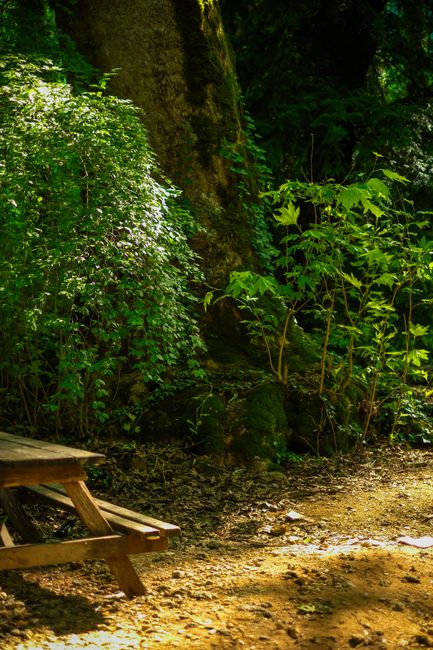
A quiet Vermont state park campsite with a tent, picnic table, and forest backdrop
Trip SetupCampMate Stories

Vermont State Parks Are Updating Their Campsite Booking System: What Campers Should Know

Vermont State Parks are making changes to how campsite reservations work. Here is what to expect, how to prepare for the switch, and a few easy ways to boost your odds of landing the sites and dates you want.

6 min read

A smoother way to book Vermont camping

If Vermont camping is on your calendar, you may notice something new when you go to reserve a site. Vermont State Parks are changing their campsite booking system, which can affect how you search, select, and confirm reservations.

System updates like this are usually aimed at making booking clearer and more reliable, especially during peak weekends when the best loops fill fast. With a little prep, you can treat the change as an upgrade, not a hurdle.

    Quick prep

    Before you browse, decide on 2 to 3 backup parks or date ranges. Flexibility is the easiest way to turn a sold-out weekend into a great trip.

    What a booking system change can mean for campers

    When a park system switches reservation platforms or updates its checkout flow, the biggest differences are usually in the details: how availability is displayed, how you filter for equipment, and what information you need to enter to finalize a booking.

    Even if the parks and campsites you love are the same, the path to reserving them may look different. Expect small changes like new account requirements, updated policies shown at checkout, or a different way to view site amenities.

    • Availability calendars may look different or refresh in a new way
    • Filters for RV length, hookups, or tent-only sites may be reorganized
    • Account login and payment steps may be updated
    • Policies and fees may be presented in a new format

    Save your essentials

    Keep your vehicle details, RV length, and a short list of preferred site features handy so you can move quickly when you find an opening.

    How to plan around the transition period

    During a system change, the biggest challenge is timing. There may be a brief learning curve, and high-demand weekends can go quickly while everyone is adjusting.

    If you are planning a peak-season trip, build in extra time to browse and double-check your selection. If your schedule allows, consider shoulder-season dates when the same lakes, trails, and campfire vibes come with more open sites.

    • Start looking earlier than usual for summer weekends
    • Choose a midweek arrival for better availability
    • Keep a backup plan for a nearby park or different loop

    Aim for shoulder season

    Late spring and early fall in Vermont can be ideal: cool nights, fewer bugs, and more campsite options.

    Simple strategies to snag the site you want

    The best reservation strategy is a mix of flexibility and clarity. Know what you need (shade, proximity to water, quieter loops, electric hookups) and what you can compromise on (exact site number, loop, or arrival day).

    If you are coordinating with friends, align on a few acceptable options ahead of time. That way, when you see availability, you can book confidently instead of texting back and forth while the site disappears.

    • Make a short list of must-haves (for example: tent pad, shade, near restrooms)
    • Keep 2 to 3 acceptable date ranges in mind
    • Consider smaller or less-hyped parks for last-minute wins
    • Double-check equipment rules like max RV length and number of vehicles

    Pick priorities

    If you can only optimize one thing, optimize dates. A one-day shift can open up entirely different loops.

    Use CampMate to stay organized from booking to campfire

    A booking system update is a great reminder to tighten up your planning workflow. Once you have a reservation, the real fun is building a simple plan: gear checklist, meal ideas, a rough itinerary, and a packing timeline.

    CampMate helps you keep trip details in one place so you can spend less time hunting through emails and more time enjoying Vermont’s trails, lakes, and classic campground evenings.

    • Keep reservation details, dates, and campground notes organized
    • Build packing lists for tent camping or RV setups
    • Plan meals and supplies so grocery stops are quick
    • Share trip info with your crew for smoother arrivals

    Add a campsite note

    Once you book, jot down a few quick notes: site shade level, distance to water, and any quiet-hour reminders. Future you will thank you.

    Continue the journey

    Plan your Vermont camping trip the easy way

    Keep reservations, checklists, meals, and trip notes organized in one place so you can focus on the outdoors.

    Related Articles

    Continue exploring camping tips and packing guides