
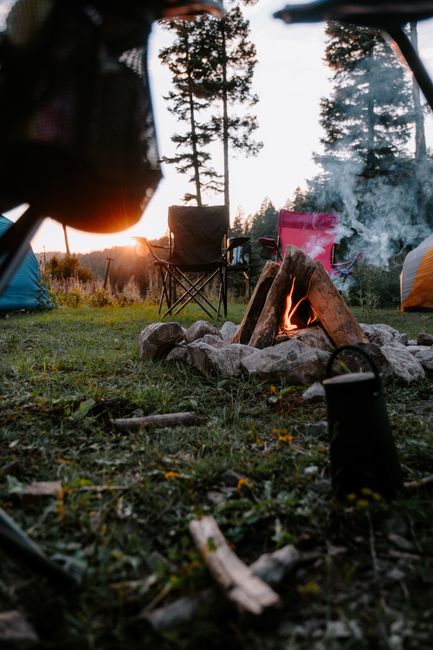
Sunrise over an empty Oregon state park campground with tents and tall pines
Trip SetupCampMate Stories

Oregon State Parks May Update Camping Rules to Cut Costs: What Campers Should Know

Oregon State Parks is exploring camping rule updates to help manage costs and keep parks running smoothly. Here is what these kinds of changes can mean for your next trip, plus easy ways to plan ahead.

6 min read

Why camping rules change (and why it matters to you)

When a park system looks for ways to save money, camping policies are often part of the conversation. Small rule tweaks can reduce administrative workload, improve site turnover, and help staff focus on keeping campgrounds clean and welcoming.

For campers, these updates usually show up as changes to reservations, length of stay, discounts, or how check-in and cancellations work. None of it has to be stressful, especially if you plan with a little extra flexibility.

    CampMate planning tip

    Save your favorite campgrounds and a few backup options in CampMate so you can pivot quickly if availability rules or booking windows shift.

    Common rule updates parks consider to reduce costs

    Park agencies across the country tend to revisit similar knobs and levers when budgets get tight. Even if the exact details vary, these are the most common areas where campers notice changes.

    Think of these as “possible directions,” not guarantees. The best approach is to watch official park updates and be ready to adjust your routine.

    • Reservation and booking windows: adjusting how far in advance you can book, or how long holds last.
    • Length-of-stay limits: encouraging more turnover on popular weekends and peak seasons.
    • Fee structure: simplifying pricing, changing discounts, or adding small charges for certain conveniences.
    • Cancellation and no-show policies: tighter rules to reduce empty sites that could have been used by other campers.
    • Check-in and check-out processes: more self-serve steps or clearer timing rules to reduce staff time.

    Quick checklist

    Before you book, confirm booking window, cancellation deadline, check-in time, and any minimum or maximum night rules for your dates.

    How these changes could impact your next Oregon camping trip

    Most campers feel policy changes in two places: availability and cost predictability. A shorter booking window can make popular campgrounds more competitive, while updated cancellation rules can reward campers who finalize plans with confidence.

    If stay limits tighten during peak season, you may need to split a longer trip between two campgrounds or mix campground nights with nearby alternatives.

    • More competition for peak weekends: plan earlier and keep backup campgrounds ready.
    • Shorter or split stays: build an itinerary that can swap between nearby parks.
    • Different total cost: small fee changes can add up, especially for longer trips or add-ons.
    • Fewer last-minute openings: stricter no-show rules can reduce empty sites, but also reduce “luck-based” availability.

    Route-friendly strategy

    If you are planning a multi-night trip, map two nearby campgrounds within 30 to 60 minutes of each other. That makes it easy to adapt if stay limits or availability change.

    Easy ways to stay flexible and still camp more

    You do not need a complicated system to camp comfortably under evolving rules. A few habits can make your trips smoother, even when policies change season to season.

    The goal is simple: reduce surprises by building a plan with options.

    • Book midweek when possible for better availability and a quieter campground vibe.
    • Keep a short list of alternates: nearby state parks, national forest campgrounds, and private options.
    • Choose campsites that match your setup: tent pad size, shade, and proximity to restrooms can matter more than you think.
    • Set reminders for key dates: booking opening day, cancellation deadlines, and check-in windows.
    • Pack for self-serve arrivals: headlamp, printed reservation info, and a pen for drop boxes or tags.

    CampMate planning tip

    Create a “Plan A, B, C” trip list in CampMate with campgrounds, dates, and notes like stay limits, site type, and backup hikes or lakes.

    Community-friendly habits that help parks run efficiently

    When parks aim to save money, they are often trying to keep the experience solid with fewer resources. Campers can help by making campgrounds easier to manage, which supports everyone’s ability to get outside.

    These are small actions that add up, especially at busy parks.

    • Arrive during posted check-in hours when possible.
    • Cancel promptly if plans change so another camper can grab the site.
    • Follow quiet hours and parking limits to reduce ranger callouts.
    • Keep your site tidy and use designated disposal areas.
    • Double-check fire rules and posted guidance before you set up your cooking area.

    Low-effort win

    If you know you cannot make it, cancel as soon as you are sure. It is one of the easiest ways to help other campers and improve site utilization.

    Bottom line: plan with options and keep it fun

    Rule updates can feel like extra homework, but they often come down to a few practical adjustments: when you book, how long you can stay, and what flexibility you have if plans change.

    With a couple of backup campgrounds and a clear checklist, you can still enjoy classic Oregon camping vibes, from coastal forests to high desert skies, without the hassle.

      One last tip

      Check official Oregon State Parks updates before you head out, then lock in your plan and your backups so you can focus on the fun parts of camp.

      Continue the journey

      Plan your Oregon camping trip the easy way

      Use CampMate to organize campgrounds, backups, reminders, and trip notes so you can adapt quickly if reservation rules or availability change.

      Related Articles

      Continue exploring camping tips and packing guides