
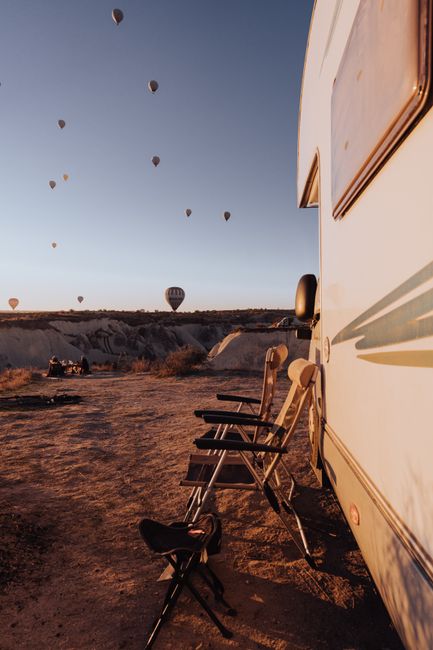
A quiet RV campsite on public land at sunset with mountains in the distance
Trip SetupCampMate Stories

Why Many RVers Choose Free Camping Instead of Paying Every Night

Free RV camping can stretch your travel budget, add flexibility to your route, and lead you to quieter, more scenic overnights. Here is how experienced RVers make it work comfortably and responsibly.

6 min read

Free camping is not just about saving money

Ask a group of RVers about free camping and you will hear plenty of budget talk, but the real appeal goes beyond cost. Free RV camping, often called boondocking or dispersed camping, can open up quieter locations, more spontaneous routes, and a stronger sense of self-sufficiency.

That said, free camping works best when you plan ahead and camp responsibly. With a few simple habits, you can enjoy comfortable nights off-grid while helping keep these places open for everyone.

    Quick definition

    Boondocking usually means camping without hookups. Dispersed camping is typically free camping on public land where it is allowed, following local rules.

    It stretches your RV travel budget in a big way

    Campground fees add up fast, especially on longer trips or in peak season. Mixing in free nights can make your travel budget go further, which often means staying on the road longer or upgrading experiences that matter more to you, like a national park tour or a special local meal.

    Many RVers use a balanced approach: pay for a campground when they want amenities like laundry, long showers, or a full reset, then boondock for a few nights to offset the cost.

    • Use paid campgrounds strategically for water fills, dumping, and charging
    • Plan a rhythm like 2 to 4 free nights, then 1 paid night to resupply
    • Track nightly costs to see how quickly savings stack up

    Budget-friendly routine

    Try a simple cadence: arrive with full water, enjoy a few dispersed nights, then book one campground night to reset tanks and batteries.

    It gives you more flexibility and less reservation stress

    Popular campgrounds can book out weeks or months ahead. Free camping options can reduce the pressure to lock in every night, especially when your pace changes due to weather, road conditions, or simply finding a place you want to linger.

    Flexibility also helps when you are covering long distances. Instead of pushing to reach a specific reservation, you can stop when you are tired and pick an appropriate overnight option.

    • Keep a short list of backup spots along your route
    • Arrive earlier in the day to find a good site and avoid night driving
    • Know local rules for public lands and overnight parking areas

    Plan A, B, and C

    Before you drive, save a few potential overnight areas so you are not searching at the last minute when cell service is spotty.

    The camping experience can feel quieter and more scenic

    One reason many RVers love dispersed camping is the space. Instead of tight rows and shared boundaries, you may find wide-open views, starry skies, and a calmer vibe that feels closer to classic camping.

    Free camping also encourages exploring less-traveled areas. That can lead to memorable sunsets, peaceful mornings, and a stronger connection to the landscapes you are driving through.

    • Look for durable surfaces and established sites when available
    • Respect quiet hours even when there is no formal campground
    • Keep your setup compact so the site stays natural and welcoming

    A great night starts with a great site

    Choose level ground, check for turnaround space, and avoid blocking roads or access routes used by other campers.

    Modern gear makes off-grid nights comfortable

    Free camping is easier than ever thanks to solar setups, efficient fridges, LED lighting, and better batteries. Even without a major upgrade, many RVers can boondock comfortably by managing power and water with a little intention.

    Comfort is mostly about knowing your limits. If your tanks are low or your battery is struggling, it is perfectly fine to pivot to a paid campground for a reset.

    • Conserve water with short dish routines and mindful showers
    • Monitor battery levels and avoid running high-draw appliances unnecessarily
    • Bring a trash plan so you can pack out everything cleanly

    Comfort checklist

    Before you settle in: confirm battery percentage, water level, tank capacity, and a clear plan for trash and toilet needs.

    Good etiquette keeps free camping available

    Free camping only stays free when campers treat places well. That means following local rules, respecting closures, and practicing Leave No Trace habits. It also means being a good neighbor, even when you have plenty of space.

    Many areas now have stay limits, fire restrictions, and specific guidelines for where you can camp. Checking rules before you arrive is part of responsible trip planning.

    • Pack out all trash and avoid leaving anything behind
    • Follow fire rules and use existing fire rings only when allowed
    • Respect stay limits and move on when required

    Leave it better

    If you have room in your trash bag, pick up a few stray items around the site. Small actions add up and help protect access.

    Mix free nights and paid nights for the best of both worlds

    Free RV camping is popular because it blends savings, flexibility, and a more nature-forward experience. With a little planning and respectful camping habits, it can become a reliable part of your travel style.

    The sweet spot for many RVers is a mix: use free camping for quiet overnights and scenic stays, then choose campgrounds when you want amenities and a full reset. Either way, the goal is the same: more great nights outside and fewer travel headaches.

      Keep it simple

      Start by adding just one free night to your next trip. Learn what you like, refine your routine, and build confidence from there.

      Continue the journey

      Plan your next free camping night with CampMate

      Organize your route, save backup spots, and keep your trip notes in one place so you can boondock with confidence.

      Related Articles

      Continue exploring camping tips and packing guides