
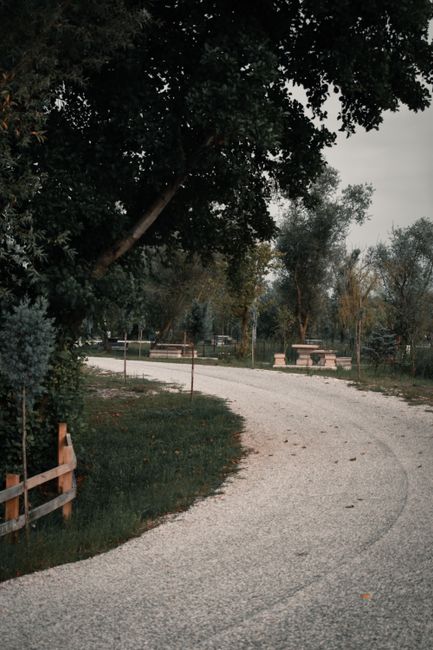
A quiet state park campground with empty picnic tables, tall evergreens, and a paved loop road at golden hour
Trip SetupCampMate Stories

State Parks Updates: Rates, Reservation Rules, Grants, and New Projects (What Campers Should Know)

State park commissions regularly fine-tune camping rates, reservation rules, and improvement projects. Here is what these updates typically mean for your next trip, plus simple ways to plan ahead and camp with confidence.

6 min read

Why state park policy updates matter for your next campsite

When a State Parks Commission meets to approve rate updates, reservation rules, grant proposals, and construction projects, it might sound like paperwork. For campers, it is actually the behind-the-scenes stuff that shapes how easy it is to book a site, what amenities you can expect, and how much your trip costs.

The good news: most changes are designed to keep parks well-maintained, improve access, and modernize campgrounds. With a little planning, you can use these updates to your advantage and avoid surprise fees or last-minute detours.

  • Rates can shift seasonally or by campground type
  • Reservation rules can affect booking windows, cancellations, and length-of-stay limits
  • Grants often fund upgrades like restrooms, trails, and accessibility improvements
  • Construction projects may temporarily change campground availability

CampMate planning tip

Before you book, scan the park page for alerts about fees, closures, or construction. Then build a backup option in the same region in case your first-choice loop is impacted.

Camping rate changes: what to watch for (and how to budget)

Rate adjustments are common as parks balance maintenance costs with visitor demand. You might see different pricing for premium sites, electric hookups, waterfront loops, cabins, or peak-season weekends.

If you are trying to keep your trip budget-friendly, the best approach is to compare site types and travel dates. Midweek stays, shoulder-season trips, and standard sites can offer the same scenery with a smaller price tag.

  • Check if rates differ by day of week or season
  • Look for separate fees: day-use, parking, extra vehicles, pets, or firewood bundles
  • Compare standard vs. premium sites to see what you are actually paying for

Budget-friendly move

If your group does not need hookups, price out tent sites and walk-in sites too. They often cost less and can be quieter.

Reservation rule updates: booking windows, cancellations, and fair access

Reservation rules are where parks try to balance flexibility for travelers with fairness for everyone competing for popular weekends. Updates can include changes to booking windows, minimum stays, cancellation rules, no-show policies, or limits on how long a single party can hold a site.

For campers, the key is to know the rules before you click reserve, especially if your plans might change. Understanding the cancellation timeline can save money and help you rebook smoothly.

  • Confirm the booking window for your park and site type
  • Read cancellation and change fees before finalizing
  • Know check-in and check-out times to avoid losing a night
  • Watch for length-of-stay limits during peak periods

Make popular weekends easier

Create a short list of 2 to 3 acceptable campgrounds in the same area. If your first choice fills up, you can pivot quickly without restarting your whole trip plan.

Grant proposals: the upgrades campers actually notice

Grant funding is one of the best ways parks improve facilities without putting every cost on campers. Grants often support accessibility upgrades, trail improvements, restroom updates, habitat restoration, signage, and visitor education.

Even if you never read a grant agenda, you will feel the results: smoother trails, better wayfinding, improved campground layouts, and more accessible features that make parks welcoming for more visitors.

  • Accessibility improvements (paths, ramps, ADA-friendly sites)
  • Restroom and shower updates
  • Trail maintenance and erosion control
  • Better signage, maps, and interpretive displays

Trip-planning bonus

If a park announces a funded project, check the timeline. Upgrades can mean temporary inconvenience now, but a noticeably better experience on your next visit.

Construction projects: how to plan around closures and still have fun

Construction and renovation projects can affect campground loops, parking areas, roads, or day-use zones. Sometimes that means fewer available sites for a season, and sometimes it means a brand-new restroom building or improved campground utilities.

The trick is to plan with flexibility. A small detour or a different loop can be a fair trade for long-term improvements, especially at high-use parks.

  • Look for which loops or facilities are impacted, not just the general park notice
  • Expect weekday work hours and occasional noise near project zones
  • Have an alternate trailhead or day-use area saved in case parking changes

Stay flexible, stay relaxed

Choose one “must-do” activity and two “nice-to-have” options. If a trail or facility is temporarily closed, you still have a ready-made plan B.

Turning park updates into better trips

Rates, reservation rules, grants, and construction projects are all part of keeping state parks enjoyable and sustainable. A quick check of current policies and alerts can help you book smarter, avoid surprises, and pick the best site for your style of camping.

With a little prep and a flexible mindset, these updates are less about hassle and more about better campgrounds, improved trails, and smoother trips ahead.

  • Review fees and rules before booking
  • Plan a backup campground nearby
  • Check for construction notices and timeline updates
  • Take advantage of shoulder seasons for value and availability

One-minute pre-trip checklist

The day before you leave, recheck the park alerts page and your reservation details. It is the fastest way to catch last-minute changes.

Continue the journey

Plan your next state park trip the easy way

Use CampMate to organize campground options, track reservation details, and keep backup plans ready for busy seasons and changing park conditions.

Related Articles

Continue exploring camping tips and packing guides