
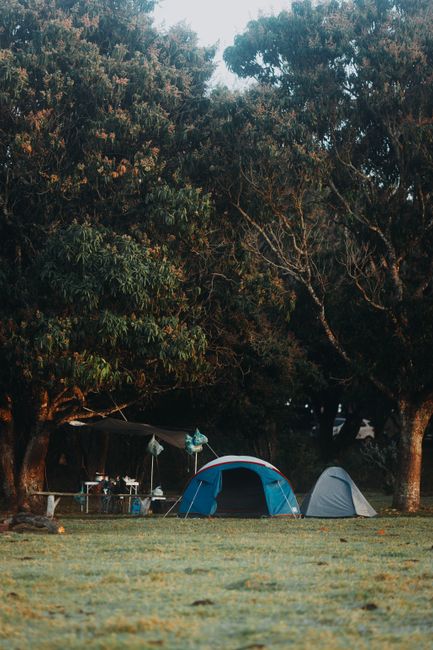
Sunset over a quiet forest campsite with a tent and campfire ring
Trip Setup

Ultimate Camping Adventure: Ideas and Tips to Plan a Trip You Will Love

From picking the right campsite to building a simple meal plan, these friendly planning tips help you create a smooth, memorable camping adventure with more time for trails, campfires, and stargazing.

6 min read

Plan less stress, camp more

The best camping adventures feel effortless, but they usually start with a little thoughtful planning. A few smart choices up front can mean smoother arrivals, better sleep, tastier meals, and more time for the good stuff like hiking, lake time, and watching the sky change colors.

Use the ideas below to build a trip that matches your group, your comfort level, and your schedule. Keep it simple, stay flexible, and let nature do the heavy lifting.

    Keep one goal for the trip

    Pick a single main theme like “easy hikes and great food” or “quiet mornings and stargazing.” It helps every decision feel clearer, from campsite choice to what you pack.

    Choose a campsite that fits your style

    A great campsite is not just about views. It is about matching the spot to your plans and your experience level. Before you book, think about how you want your days to feel and what you need nearby.

    If you are new to camping, start with established campgrounds that offer clear sites, easy parking, and simple amenities. If you are more experienced, you might prioritize privacy, trail access, or being closer to water.

    • Distance: how far you want to drive versus how much time you want at camp
    • Site type: tent pad, gravel, or natural ground and how level it is
    • Access: walk-in, drive-in, or dispersed areas and the effort required
    • Nearby fun: trails, viewpoints, paddling access, or scenic drives
    • Quiet factor: how close the site is to roads, bathrooms, or popular loops

    Read the campsite notes like a pro

    Look for clues such as shade, wind exposure, slope, and parking distance. These small details often matter more than the photos.

    Build a flexible itinerary with a strong first night

    A simple plan prevents decision fatigue and helps everyone relax. Aim for one anchor activity per day, then leave open space for wandering, reading, or spontaneous side quests.

    The first evening sets the tone. Plan it to be easy, especially if arrival time is uncertain. When your first night is smooth, the rest of the trip feels smoother too.

    • Day 1: arrive, set up, simple dinner, short sunset walk
    • Day 2: one main hike or paddle, long lunch, camp games, stargazing
    • Day 3: slow breakfast, pack up steadily, one scenic stop on the way home

    Use a “one big thing” rule

    Choose one main activity per day and keep everything else optional. It keeps the trip fun instead of feeling like a checklist.

    Pack smart with a short, reliable system

    Packing gets easier when you group items by camp jobs: sleep, cook, light, and comfort. Start with essentials, then add a few small extras that make camp feel cozy.

    A good checklist also helps you avoid overpacking. If an item does not support your plan, it can probably stay home.

    • Sleep: tent, stakes, sleeping bag, sleeping pad, pillow
    • Camp kitchen: stove, fuel, lighter, pot, mug, utensils, dish setup
    • Comfort: camp chairs, headlamp, extra layers, sun protection
    • Organization: bins or bags labeled by category for quick setup
    • Leave no trace basics: trash bags, small trowel where appropriate, biodegradable soap used responsibly

    Do a “living room test”

    Set up your sleep system at home once. You will catch missing pieces and learn what feels comfortable before you are at the campsite.

    Keep meals easy and add a few unforgettable moments

    Camping food can be simple and still feel special. The trick is to plan meals that use overlapping ingredients and minimal cookware. Think build-your-own meals and one-pan favorites.

    Then add a few low-effort highlights that make the trip memorable, like a sunrise coffee spot, a scenic picnic, or a night dedicated to stargazing.

    • Meal strategy: repeat a few core ingredients across breakfasts and dinners
    • Prep at home: chop veggies, pre-mix spices, portion snacks
    • Simple favorites: tacos, foil packet meals, pasta, oatmeal with toppings
    • Camp moments: sunset walk, hot drink by the fire ring, nature journaling
    • Offline fun: cards, camp bingo, photo scavenger hunt for landscapes

    Plan one “signature treat”

    Bring one special item like a good hot chocolate mix, a favorite trail snack, or fresh fruit for breakfast. Small treats boost morale and feel luxurious outdoors.

    Make it yours and keep it simple

    The ultimate camping adventure is the one that fits your pace. Choose a campsite that supports your goals, keep your itinerary flexible, pack with a system, and make meals easy so you can focus on the outdoors.

    With a little planning, you will spend less time rummaging through bags and more time enjoying quiet mornings, big skies, and that relaxed camp rhythm.

      End with an easy win

      Before you leave, jot down what you loved and what you would change next time. Your future self will thank you when you plan the next trip.

      Continue the journey

      Plan your next trip in minutes

      Use CampMate to build checklists, map your itinerary, and keep your camping plans organized from packing to camp meals.

      Related Articles

      Continue exploring camping tips and packing guides