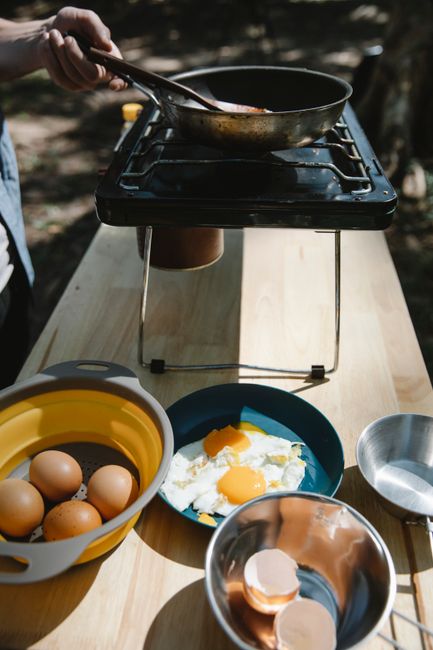
A cast iron skillet with vegetables and tortillas cooking on a compact camp stove at a campsite
Trip SetupGear & Packing

Better Camp Meals for Memorial Day Weekend (Burn Ban or Not)

Cook tastier, simpler camp meals this Memorial Day weekend with smart prep, flexible heat options, and flavor-boosting tricks that work whether you can have a campfire or need to go flame-free.

6 min read

Camp food can be great, even when the rules change

Memorial Day weekend is prime time for getting outside, and it is also prime time for crowded campgrounds, quick trips, and last-minute meal plans. The good news is you can eat really well with a simple system: prep a little at home, pack a few high-impact flavor boosters, and choose a cooking method that fits current fire restrictions.

Whether you are allowed a campfire, limited to a contained grill, or going fully stove-only, these tips keep meals easy, tasty, and low-fuss.

    Quick check before you go

    Look up your campground rules the morning you leave. Restrictions can change fast, so plan one menu that works on a stove and treat a campfire as a bonus, not a requirement.

    Plan one flexible menu that works with any heat source

    The simplest way to cook better at camp is to stop planning meals around a single piece of equipment. Build your weekend menu from mix-and-match components that can be warmed, toasted, or sautéed on a stove, grill, or fire ring when allowed.

    A solid approach is: one breakfast base, one lunch no-cook fallback, and two dinners that share ingredients. This reduces cooler space and makes cleanup easier.

    • Breakfast base: tortillas or bagels plus eggs, cheese, and salsa
    • Lunch fallback: wraps, tuna packets, hummus, or pre-cooked chicken with crunchy veggies
    • Dinner formula: a protein + a veg + a carb (rice pouch, tortillas, or buns) + a sauce
    • One treat: fruit with chocolate or a skillet dessert if fires are allowed

    Use a two-dinner overlap

    Pick dinners that share at least three ingredients, like fajitas and breakfast tacos (tortillas, peppers, onions, cheese). You will pack less and cook faster.

    Do the messy work at home for faster, cleaner cooking

    Most camp meals feel hard because the prep happens in the wrong place. Chop, portion, and pre-cook at home so camp cooking becomes mostly heating and assembling.

    Prepping ahead also helps you stay organized if you are dealing with wind, limited picnic table space, or a stove that is smaller than your kitchen range.

    • Pre-chop onions and peppers, then store in a zip bag with a paper towel to reduce moisture
    • Pre-cook a batch of rice or bring microwave-style rice pouches (they heat well in a pot of hot water)
    • Mix a simple spice blend in a small jar: salt, pepper, chili powder, cumin, garlic powder
    • Marinate proteins in a leakproof bag and freeze them flat so they double as cooler ice

    Pack a flavor kit

    Bring 3 to 5 small items that instantly improve meals: salsa, hot sauce, mustard, lemon or lime, and a herb blend. They take little space and make basic ingredients taste intentional.

    Burn ban friendly cooking: great meals without an open flame

    If there is a burn ban, you can still cook satisfying meals. The key is efficient heat and a plan for wind. A compact camp stove and one good pan can handle most of your weekend.

    Focus on one-pan meals, steam-and-heat methods, and foods that cook quickly. You will save fuel and spend more time relaxing.

    • One-pan fajitas: sauté peppers and onions, warm tortillas, add pre-cooked chicken or sliced sausage
    • Pasta shortcut: boil water, cook pasta, then toss with pesto and cherry tomatoes
    • Steam strategy: heat pre-cooked rice or potatoes by placing the sealed pouch in hot water
    • No-cook night: wraps with crunchy veggies, cheese, and a bold sauce

    Wind makes everything slower

    Bring a stove windscreen or set up behind a cooler or vehicle (following safe ventilation and campground rules). Better wind protection means faster boils and less fuel use.

    If fires are allowed: cook smarter, not longer

    When a campfire is permitted, it is best used as a heat source for simple, high-reward cooking. Think toasted, charred, and melty rather than complicated multi-step recipes.

    Build a small, steady cooking bed of coals. Coals cook more evenly than tall flames and are easier to control for skillet meals.

    • Skillet tacos: cook seasoned meat or beans, add peppers, finish with cheese and salsa
    • Foil packs: potatoes, onions, and veggies with a knob of butter and your spice blend
    • Toasted buns: warm over coals for burgers or brats without drying them out
    • Campfire dessert option: skillet fruit crisp with oats, cinnamon, and a little brown sugar

    Cook over coals for better results

    Let the fire burn down, then cook over a glowing coal bed. You will get steadier heat, fewer burnt edges, and easier timing.

    A better camp meal is mostly a better system

    You do not need fancy recipes to eat well outdoors. A flexible menu, a bit of prep at home, and a few flavor boosters will make your Memorial Day weekend meals feel easy and satisfying.

    Plan for burn ban conditions first, then treat any campfire cooking as a fun upgrade. Either way, you will spend less time cooking and more time enjoying camp.

      Keep it simple and repeatable

      If a meal works, save it as a template for your next trip. The best camp menus are the ones you can run again with minimal effort.

      Continue the journey

      Plan your Memorial Day camp menu in minutes

      Use CampMate to organize meals, build a packing list, and keep a burn ban friendly backup plan ready to go.

      Related Articles

      Continue exploring camping tips and packing guides