
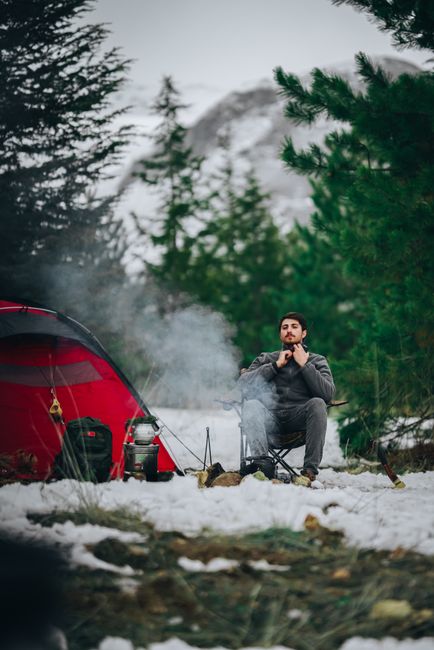
Snowy campsite with a tent, backpack, and warm glow from a lantern among pine trees
Trip SetupGear & Packing

Winter Camping Checklist: What to Pack for Cozy Cold-Weather Nights

Headed out into the snow? Use this winter camping checklist to pack smart, stay warm, and keep camp life simple, from sleep system essentials to stove and water tips.

7 min read

A simple winter checklist that keeps you warm and organized

Winter camping can feel wonderfully quiet and cozy when you pack with intention. The goal is not to bring everything, it is to bring the right things and know where they are when the temperature drops.

This checklist is built for comfort-first winter trips: warm sleep, reliable cooking, dry layers, and a camp setup that works even when the ground is frozen.

  • Plan for longer nights and slower routines
  • Prioritize insulation, wind protection, and moisture control
  • Pack redundancy for the small items that matter most (like ignition and headlamp power)

CampMate tip: pack by systems

Group gear into mini kits like Sleep, Kitchen, Layers, and Power. In CampMate, create a checklist template you can reuse for every winter trip and adjust based on the forecast.

Sleep system: your warmest gear should work together

In winter, your sleep system is the main event. A warm bag is great, but it performs best when paired with enough ground insulation and a draft-free shelter setup.

Aim for a complete system: sleeping bag or quilt, insulated pad stack, and small comfort add-ons that help you stay relaxed through the night.

  • Sleeping bag or quilt rated for the expected lows (and your personal comfort)
  • Two-pad strategy: closed-cell foam pad plus insulated inflatable pad
  • Sleeping bag liner (optional) for extra warmth and easier cleanup
  • Pillow or stuff sack pillow so you do not rely on bulky clothing
  • Hot water bottle (hard-sided) to pre-warm your bag

Pad R-value shortcut

If you are unsure about ground insulation, stacking pads is the easiest upgrade. A foam pad under an insulated inflatable pad boosts warmth and adds backup reliability.

Clothing and footwear: stay warm by staying dry

Winter comfort is all about managing moisture. Choose layers that breathe, insulate, and block wind. Bring dedicated sleep layers so you can keep your bag cleaner and drier.

Feet and hands deserve extra attention because they are often the first to feel cold at camp.

  • Base layers (top and bottom), plus a dry set reserved for sleeping
  • Midlayer insulation like fleece or light puffy
  • Warm insulated jacket for camp time
  • Weather shell: wind and snow protection
  • Warm hat and neck gaiter
  • Gloves plus warmer mittens, and a spare pair
  • Wool or synthetic socks, plus an extra dry pair
  • Winter boots with room for thicker socks
  • Camp booties or insulated sandals for tent comfort

Avoid overdressing on the move

Start slightly cool when hiking or snowshoeing to reduce sweat. Change into a dry layer at camp to keep insulation working at its best.

Kitchen and water: keep it simple, warm, and efficient

Cold weather cooking is easier when your stove, fuel, and cookware are chosen for winter conditions. Water management also takes more planning because bottles and filters can struggle in freezing temps.

Build a small, reliable kitchen kit that lets you boil water fast and make warm meals without fuss.

  • Winter-capable stove and wind protection (use only where appropriate and safe)
  • Fuel sized for extra boils (hot drinks, meals, and water top-offs)
  • Lighter plus waterproof matches, stored separately
  • Pot with lid and an insulated mug
  • Spoon or spork you can use with gloves
  • High-calorie meals and easy snacks you can eat without long prep
  • Wide-mouth water bottles and insulated sleeves
  • Thermos for hot water or tea
  • Backup water treatment plan that matches the conditions

Keep water from freezing overnight

Store bottles upside down in your pack or in a stuff sack inside the tent. Ice forms at the top first, so flipping the bottle can keep the lid usable in the morning.

Shelter and camp setup: block wind, add insulation, stay organized

A good winter campsite feels calm and sheltered. Look for natural wind breaks, a flat platform, and a layout that keeps essentials within reach.

Small setup choices make a big difference, especially when your hands are cold and daylight is short.

  • Four-season or sturdy three-season tent suited to the forecast
  • Extra stakes and guylines for frozen ground
  • Groundsheet or footprint (optional, depending on conditions)
  • Snow shovel for leveling a platform and building a kitchen area
  • Headlamp with fresh batteries, plus a backup light
  • Repair kit: duct tape, cord, and a multi-tool
  • Dry bags or pack liners to keep insulation protected

Make a small gear zone

Designate one spot for gloves, headlamp, and stove parts so they do not disappear into snow or get buried under layers.

Continue the journey

Build your winter checklist in CampMate

Create a reusable winter camping checklist, tailor it to your forecast, and keep every item organized by system so packing stays easy.

Related Articles

Continue exploring camping tips and packing guides