
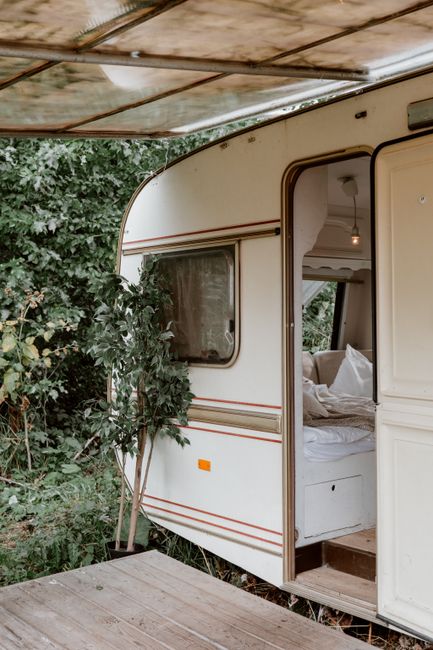
A streamlined teardrop-style camper trailer parked at a forest campsite with gear nearby
Gear & PackingTrip Setup

Swallowtail Camper Trailer: A Sleek, Efficient Tow That Sleeps the Whole Crew

The Swallowtail camper trailer pairs a streamlined shape with family-ready sleeping space, making it a smart pick for campers who want easier towing, quick setup, and cozy nights at camp.

6 min read

A camper that tows easy and camps cozy

If you love the idea of a camper trailer but not the idea of wrestling one down the highway, the Swallowtail-style approach is instantly appealing. The big idea is simple: keep the profile smooth and efficient for towing, then make the interior layout work harder once you arrive.

This kind of design is especially interesting for families who want real sleeping space without stepping up to a full-size travel trailer. Think of it as a compact, aerodynamic camper that prioritizes comfort at camp and calm behind the wheel.

    Quick vocabulary check

    When shopping, look for notes like "aerodynamic profile," "low frontal area," and "rounded leading edges." These terms often signal a trailer designed to tow with less drag.

    Why a slippery shape can make towing feel easier

    Aerodynamic trailers aim to reduce wind resistance, which can translate to a more relaxed towing experience, especially at highway speeds and in gusty conditions. A smoother nose, tapered roofline, and clean sides help air flow around the trailer instead of slamming into flat surfaces.

    For many campers, the practical benefits show up as steadier handling, less fatigue on long drives, and potentially better fuel economy compared with boxier rigs of similar size. Your exact results depend on tow vehicle, speed, terrain, and load.

    • Look for rounded front corners and a tapered rear to help air detach cleanly
    • Check overall height and width since frontal area strongly affects drag
    • Ask about tongue weight and axle placement for stable, confident towing

    A simple towing test

    Before buying, tow at 55 to 65 mph on a calm day and in light crosswinds if possible. Pay attention to steering corrections, passing trucks, and how the trailer settles after bumps.

    Sleeping a family in a compact footprint

    The standout promise of the Swallowtail concept is family sleep capacity in a trailer that still looks compact and tow-friendly. Designers typically achieve this by stacking or converting spaces: a main bed plus bunks, a pop-up sleeping zone, or a dinette that turns into an extra berth.

    If you are comparing family-capable compact trailers, focus on usable mattress dimensions, headroom where you actually sit up, and nighttime flow. A layout can look great on paper but feel tight when everyone is climbing in with books, water bottles, and charging cables.

    • Confirm real bed sizes, not just the number of "sleeps" listed
    • Check ventilation near each sleeping position for warm nights
    • Look for reading lights, outlets, and small shelves where they matter

    Bring a tape measure

    Measure bed length, bunk width, and aisle clearance at the showroom. Numbers beat guesses, especially if you have taller campers or like thicker sleeping pads.

    Setup speed, storage, and the little things that make trips smoother

    Compact trailers shine when setup is fast. The best designs keep camp chores simple: stabilize, open a hatch or roof section, and you are basically home. Storage also matters more in smaller rigs, so smart compartments, under-bed bins, and exterior access doors can make a big difference.

    A streamlined trailer often pairs nicely with an outdoor kitchen vibe: quick meals, easy cleanup, and more time around the picnic table. Even if you prefer to cook inside, look for counter space, a practical fridge location, and a place to stash your camp stove and food tote.

    • Prioritize weatherproof exterior storage for leveling blocks, cords, and chocks
    • Check galley ergonomics: lid clearance, prep space, and where the cooler sits
    • Look for durable, easy-clean surfaces that handle sandy shoes and muddy days

    Pack like you camp

    Do a mock load-out: chairs, awning mat, stove, water jug, and a small tool kit. If it all has a home, you will feel it on every weekend trip.

    What to compare before you commit

    If a Swallowtail-style aerodynamic family camper is on your shortlist, compare it against a few familiar categories: teardrop campers, small hard-sided travel trailers, and pop-up campers. Each has tradeoffs in towing, insulation, setup time, and living space.

    Use a checklist mindset. The goal is not the fanciest trailer, it is the one that fits your tow vehicle, your typical trip length, and your comfort preferences.

    • Tow rating and payload: confirm your vehicle can handle trailer weight plus gear
    • Water and power: decide if you want off-grid capability or mostly campground hookups
    • Four-season comfort: ask about insulation, window quality, and condensation control
    • Serviceability: check access to wiring, plumbing, and common replacement parts

    Match the trailer to your trips

    If you do lots of one-night stops, prioritize fast setup and easy access to beds. If you do longer stays, prioritize storage, fridge size, and comfortable indoor seating.

    Continue the journey

    Plan your next trailer trip the easy way

    Use CampMate to map stops, organize gear lists, and build a simple checklist for towing, setup, and campsite comfort.

    Related Articles

    Continue exploring camping tips and packing guides