
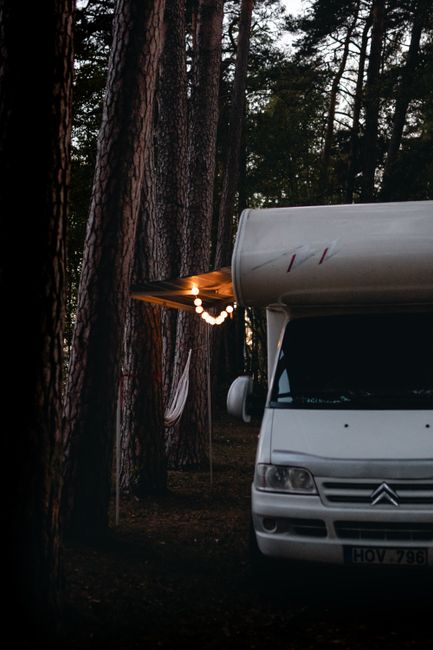
Parked rental RV at a quiet forest campground with mountains in the background
Trip SetupGear & Packing

A First-Timer’s Guide to Renting an RV: Simple Steps for a Smooth Adventure

Renting an RV for the first time can feel like a lot, but it is mostly about choosing the right rig, understanding the basics, and planning a few practical details. Here is a friendly, outdoorsy guide to help you hit the road with confidence.

7 min read

Your first RV rental, made easy

An RV rental is one of the quickest ways to try vanlife vibes without committing to ownership. You get the freedom of the open road, a cozy place to sleep, and a built-in basecamp for hikes, lake days, and scenic drives.

The key is to keep your first trip simple. Pick a manageable route, choose an RV that matches your comfort level, and learn a few core systems before you roll out.

  • Aim for a 2 to 4 night trip for your first run
  • Choose shorter driving days so setup feels relaxed
  • Book campgrounds early, especially on weekends

Start close to home

For your first RV trip, pick a destination within 2 to 4 hours. You will spend less time driving and more time getting comfortable with parking, hookups, and camp routines.

Pick the right RV size and layout

The best first rental is the one you feel comfortable driving and parking. Bigger is not always better, especially if you plan to visit state parks or smaller campgrounds.

Think about how you will actually use the space: sleeping, cooking, lounging on a rainy hour, and storing gear. Layout matters more than fancy features.

  • Campervan or small Class C: easiest for first-timers and great for national and state parks
  • Medium Class C: more space, still manageable, often a good family option
  • Travel trailer: requires towing comfort and the right vehicle, but can be a great value
  • Look for: comfortable bed setup, enough seatbelts, simple kitchen, and good storage

Prioritize drivability

If you are unsure between two sizes, choose the smaller one. A relaxed driving experience makes everything else feel easier, from fuel stops to campground arrivals.

Understand costs, deposits, and what is included

RV pricing can vary by season, location, and vehicle type. Beyond the nightly rate, there are often add-ons and usage-based charges. Knowing the common line items helps you compare options fairly.

Before you book, confirm what comes standard: kitchen kit, linens, outdoor chairs, generator use, mileage, and roadside support.

  • Nightly rate: typically higher on weekends and peak season
  • Mileage: may be included, capped, or billed per mile
  • Generator: sometimes billed per hour of use
  • Cleaning and prep fees: common, ask what they cover
  • Insurance options: review deductibles and coverage details

Ask for an itemized quote

Request a full breakdown that includes mileage rules, generator fees, and any required add-ons. It is the fastest way to avoid surprises and compare rentals apples-to-apples.

Do a thorough pickup walkthrough (and record it)

Pickup day is your orientation. Give yourself time, ask questions, and do not rush. A good walkthrough covers the RV’s basic systems and the small details that save you time at camp.

Use your phone to take photos and short videos. Capture control panels, water hookups, sewer connections, leveling steps, and how to operate the awning.

  • Confirm: fresh water fill, water pump, and water heater operation
  • Learn: electric hookups (30-amp vs 50-amp) and how to use adapters
  • Review: propane basics and how to switch tanks if applicable
  • Check: tire condition, lights, mirrors, and backup camera
  • Test: fridge, stove ignition, and cabin outlets

Create a quick-start note

Write down the 5 things you will forget first: water pump switch location, how to turn on the water heater, how to dump tanks, which breaker controls outlets, and awning operation.

Plan your route and campground setup like a pro

RV trips feel best with a little structure. Plan for daylight arrivals, book sites that match your RV length, and choose hookups based on your comfort level.

For a first trip, full hookups are the smoothest: electricity, water, and sewer at the site. Once you get comfortable, you can try partial hookups or more rustic campgrounds.

  • Arrive before sunset so parking and leveling are stress-free
  • Confirm site length, slide-out clearance, and hookup type
  • Bring or confirm: power adapter, water pressure regulator, and hose
  • Keep a simple meal plan and shop once, not daily

Use a two-stop rule

Limit yourself to two major stops per day: one for fuel and one for groceries. It keeps the travel day calm and leaves time for the fun stuff when you arrive.

Return day and a clean finish

A smooth return is mostly about timing and a short checklist. Dump tanks only where allowed, refill fuel if required, and do a quick sweep of cabinets so nothing gets left behind.

If something did not work as expected, note it and share it with the owner or rental company. Clear communication helps everyone and can speed up deposit returns.

  • Confirm return expectations: fuel level, tank levels, and cleaning
  • Do a final walkaround: doors latched, steps in, awning closed
  • Check drawers and under-bed storage for personal items
  • Snap a few photos at drop-off for your records

Pack a small “last day” bin

Keep cleaning wipes, trash bags, and a small flashlight in one bin so return tasks are quick and you are not hunting through cabinets.

Continue the journey

Plan your first RV trip with CampMate

Organize your route, campground details, checklists, and packing plan in one place so your first RV rental feels simple from pickup to drop-off.

Related Articles

Continue exploring camping tips and packing guides