
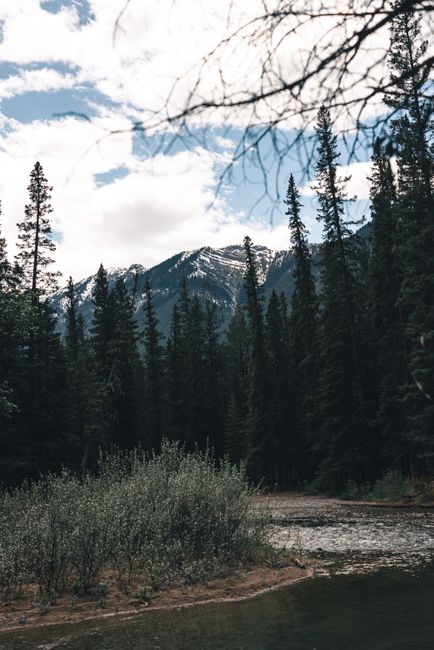
A wide view of Denali National Park tundra with mountains, river bends, and spruce forest under a bright sky
Trip SetupWeather Ready

Camping in Denali National Park: What to Know Before You Go

From shuttle logistics to weather-ready packing, here is a friendly, practical guide to planning a Denali camping trip that feels wild, smooth, and unforgettable.

7 min read

A big Alaska adventure, with smart planning

Denali National Park is one of those places that makes you slow down and look around. Big views, wide tundra, and a feeling of space you do not get many other places. Camping here can be as simple as a frontcountry night near the park entrance or as adventurous as a multi-day backcountry route.

Because Denali is remote and conditions can change quickly, the best trips come from a little extra prep. Think permits, transportation, and packing for a wide range of weather, all while keeping your itinerary flexible.

    CampMate mindset for Denali

    Build a Plan A and a Plan B. In Denali, flexibility is a feature, not a compromise.

    When to camp: seasons, daylight, and what to expect

    Most camping happens in late spring through early fall, when services are running and access is easiest. Summer brings long daylight and active wildlife viewing, while shoulder seasons can feel quieter and cooler.

    No matter when you go, pack for variety. A sunny afternoon can shift to wind and rain, and nights often feel crisp. If you are choosing dates, consider how much daylight you want for hiking, setting camp, and enjoying the scenery.

    • Long daylight in summer is great for relaxed camp routines
    • Shoulder seasons can offer fewer crowds and cooler temps
    • Expect quick weather changes and plan layers

    Simple weather strategy

    Pack a rain shell and a warm layer even if the forecast looks friendly. Denali likes options.

    Choose your style: frontcountry campgrounds or backcountry units

    Denali offers established campgrounds near the park entrance and deeper into the park, plus backcountry camping for a more remote experience. Frontcountry sites are a great fit if you want a clear basecamp and straightforward logistics.

    Backcountry camping typically involves selecting a unit or area and following specific rules for camping and food storage. It is rewarding, but it asks more of you: navigation comfort, bear-aware camp habits, and realistic daily mileage.

    • Frontcountry: easier logistics, designated sites, good for first-time Denali campers
    • Backcountry: more solitude, more responsibility, plan routes and resupply carefully
    • Check current permit rules, closures, and campsite availability before you commit

    Pick the right difficulty

    Choose a trip that leaves time for weather delays and slow travel. Denali terrain can be tussocky and time-consuming.

    Transportation: why the bus plan matters

    One of the most unique parts of Denali is how access works along the park road. Depending on the season and current conditions, private vehicle access can be limited, and many campers rely on shuttle or transit options to reach trailheads and drop-off points.

    If you are camping beyond the entrance area, map your transportation early. Know your pickup and drop-off points, timing, and how you will carry your gear on and off the bus. Build in buffer time so your schedule stays fun, not frantic.

    • Confirm bus routes, schedules, and stops for your intended area
    • Plan for gear handling and quick loading at stops
    • Keep your itinerary flexible in case schedules or access change

    Make your logistics lighter

    Pack so you can move efficiently at stops. Fewer loose items means less stress and faster transitions.

    What to pack for Denali: comfort, weather readiness, and food storage

    Denali packing is all about staying comfortable across changing conditions. Prioritize a solid shelter, reliable rain protection, and warm layers you can adjust throughout the day.

    Food storage and scent management are a big deal in Alaska parks. Follow current park guidance for storing food and scented items, and keep a clean camp routine. A tidy camp makes for a smoother trip and helps protect the wild character of the place.

    • Layering system: base layer, insulating layer, rain and wind shell
    • Shelter: sturdy tent and stakes that can handle wind
    • Footwear: waterproof or quick-drying options plus warm socks
    • Navigation: offline maps and a simple route plan
    • Food storage: follow park rules and keep scented items secured

    Denali comfort upgrade

    Bring a small sit pad. It makes breaks warmer, drier, and more enjoyable on tundra and gravel.

    A Denali trip that feels wild and well-paced

    Camping in Denali National Park can be wonderfully simple: a good plan, the right layers, and a flexible mindset. Choose the camping style that fits your experience level, lock in your transportation plan early, and pack for weather variety.

    With those basics covered, you can focus on the best parts: quiet mornings, big views, and the kind of fresh-air reset that only Alaska delivers.

      Leave room for wonder

      Plan one extra half-day with no agenda. It is often the highlight of the trip.

      Continue the journey

      Plan your Denali checklist in minutes

      Use CampMate to organize your route notes, packing list, and backup plans so your Denali trip stays flexible and fun.

      Related Articles

      Continue exploring camping tips and packing guides