
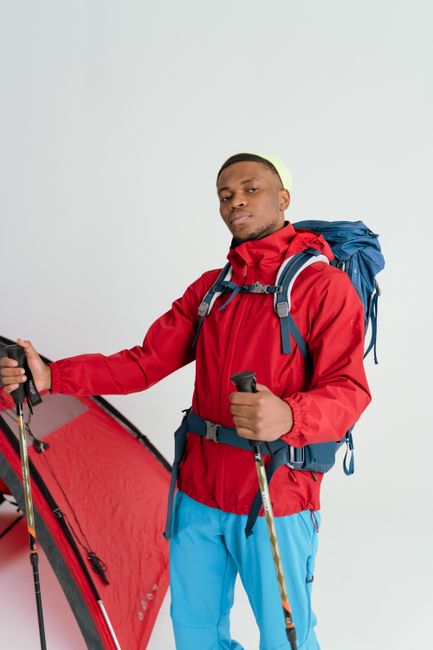
Spring backpacking gear laid out on a tarp with a lightweight tent, rain jacket, and trail snacks among wildflowers
Gear & PackingWeather Ready

Spring Backpacking Kit Refresh: Simple Updates for Warmer-Weather Camping

As trails thaw and days get longer, a few smart swaps can make your spring camping kit lighter, drier, and more comfortable. Here is a practical checklist for updating your backpacking gear for mild days, chilly nights, and unpredictable showers.

6 min read

Why spring is the perfect time to tune up your backpacking kit

Spring camping is a sweet spot: fewer bugs than summer (usually), cooler hiking temps, and trails that feel freshly reopened. It is also the season of mixed signals, sunny afternoons, damp ground, and nights that still dip low.

A spring kit refresh is less about buying new gear and more about dialing in the right balance: breathable layers, reliable rain coverage, and a sleep setup that handles chilly evenings without overheating by morning.

  • Aim for flexible layers instead of one heavy jacket
  • Plan for wet ground and quick weather changes
  • Trim winter-only items to save weight and space

Quick spring shakedown

Before your first trip, pack everything, then do a 15-minute walk outside. If something feels bulky, redundant, or hard to access, adjust now instead of on day one of the hike.

1) Switch to a lighter layering system (but keep a warm option)

In spring, you can start cold, hike warm, stop windy, and end the day chilly. A simple layering system lets you adapt without hauling a winter wardrobe.

Focus on breathability while moving and quick warmth when you stop. The goal is comfort across temperature swings, not maximum insulation at all times.

  • Base layer: lightweight or midweight synthetic or merino for moisture control
  • Mid layer: light fleece or active insulation for cool mornings and breaks
  • Puffy: packable insulated jacket for camp and longer stops
  • Extras: thin beanie and lightweight gloves can still earn their spot

Easy rule for spring

If you are warm while hiking, you are probably overdressed. Start slightly cool and add layers during breaks.

2) Upgrade rain protection and wet-ground strategy

Spring weather loves surprise showers, and melting snow or recent rain can keep campsites soggy. Staying dry is not just about a rain jacket, it is about protecting your whole system: pack, sleep gear, and camp clothes.

Think in layers of defense: waterproof outerwear, pack protection, and smart campsite habits.

  • Rain shell: a dependable hood, good ventilation, and room for layers
  • Pack protection: pack liner (trash compactor bag works) plus a rain cover if you like
  • Shelter: check seam sealing and guylines before the season starts
  • Ground management: bring a footprint or polycryo sheet if your tent floor needs help

Dry sleep is the priority

Pack your quilt or sleeping bag in a waterproof liner first. If everything else gets damp, you can still recover with a dry night.

3) Tune your sleep system for chilly nights and warmer mornings

Spring nights can feel like winter’s last encore, especially at elevation. But by sunrise, your tent can warm quickly. The best spring sleep setup is adjustable: warm enough at 2 a.m., ventable at 7 a.m.

Do not forget the ground. Cold, wet soil can pull heat fast, so your sleeping pad matters as much as your insulation.

  • Quilt or bag: consider a three-season rating that matches your local lows
  • Sleeping pad: bring adequate insulation for cold ground (check R-value)
  • Vent options: loosen the quilt, open the footbox, or crack the vestibule as temps rise
  • Sleep clothes: dedicated dry socks and a light layer for camp comfort

Test at home first

Do a backyard or living-room setup and practice venting, layering, and packing. You will learn your comfort range quickly.

4) Adjust pack organization, hydration, and spring-friendly food

Warmer days can mean you drink more, but spring sources can also run high or muddy. A little planning helps you stay efficient on trail and comfortable at camp.

Spring is also a great time to lighten your food kit. You may not need the same heavy, high-heat meals you loved in deep winter.

  • Hydration: carry a bit more capacity for longer dry stretches, even in spring
  • Water treatment: make sure your filter is clean and flowing well
  • Food: mix quick lunches with cozy dinners, and add salty snacks for warmer hikes
  • Organization: keep rain gear and warm layer near the top for fast access

One-pocket system

Designate one spot for weather layers (shell, gloves, beanie). If the sky changes, you can respond in seconds.

Wrap-up: keep it light, keep it flexible, and enjoy the season

A spring backpacking kit refresh is mostly about flexibility. Swap heavy winter pieces for breathable layers, double down on rain and wet-ground protection, and make sure your sleep system can handle cold nights without feeling stuffy by morning.

Once you have your spring setup dialed, you will spend less time fussing with gear and more time enjoying quiet trails, fresh air, and those first truly comfortable camp evenings of the year.

  • Prioritize adaptable layers and reliable rain coverage
  • Protect your sleep system from moisture first
  • Do a quick shakedown before your first spring overnighter

Make it repeatable

Save your spring packing list so next trip is faster. Small seasonal checklists are the easiest way to stay consistent.

Continue the journey

Build your spring kit list in minutes

Use CampMate to create a spring backpacking checklist, track what you already own, and tailor your packing list to the forecast and trip length.

Related Articles

Continue exploring camping tips and packing guides