
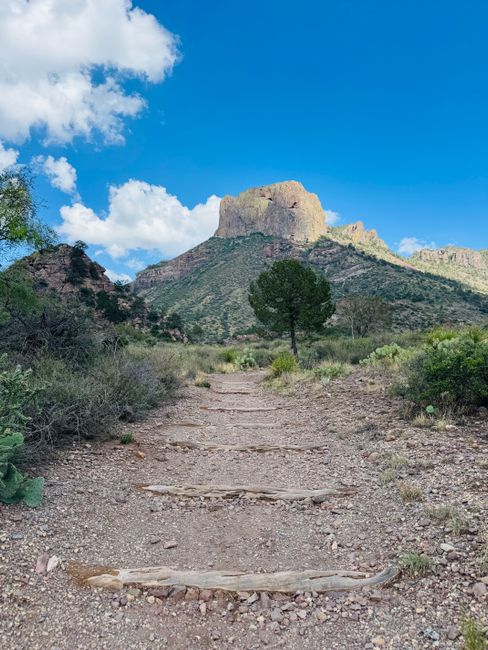
Chisos Mountains at sunset above desert landscape in Big Bend National Park
Trip SetupWeather Ready

Camping in Big Bend National Park: What to Know and Where to Camp (Tent and RV)

Plan a smooth Big Bend camping trip with practical tips on reservations, seasons, road conditions, and the best campgrounds for tents and RVs inside the park.

7 min read

Big skies, desert sunsets, and campgrounds for every style

Big Bend National Park is one of the best places in the U.S. to camp if you love wide-open desert views, mountain air, and quiet nights under a star-packed sky. It is remote in the best way, but that also means you will have a better trip if you plan ahead.

This guide covers the essentials: when to go, how camping works in the park, and which campgrounds are best for tent campers versus RV travelers.

  • Expect long drives and limited services once you are in the park
  • Choose your campground based on elevation, wind, and access to water
  • Book early during peak season

Quick planning mindset

In Big Bend, your campground choice is your comfort plan. Elevation, shade, and wind exposure matter as much as the view.

Best time to camp in Big Bend (and what the weather feels like)

Big Bend is generally most comfortable for camping from late fall through early spring, when days are mild and nights are crisp. Summer can be extremely hot at lower elevations, which can make midday camp time feel like an endurance test rather than a vacation.

Elevation changes everything. The Chisos Mountains run cooler than the desert floor, and wind can pick up quickly in exposed areas. No matter the season, pack layers so you can stay comfortable from sunrise coffee to stargazing.

  • Peak camping season: late fall to early spring
  • Cooler temps at higher elevation (Chisos area)
  • Desert areas can be warmer and sunnier even in shoulder seasons

Pack for temperature swings

Bring a warm layer for evenings, a sun shirt for daytime, and a wind layer for open campgrounds.

Reservations, services, and what to expect once you arrive

Big Bend’s remoteness is part of its charm, but it also means fewer nearby stores, longer distances between points of interest, and limited cell service. Make reservations as early as you can during popular months, and double-check campground rules for generators, quiet hours, and vehicle length limits.

Inside the park, services are basic compared to many other destinations. Plan to arrive with your main groceries, plenty of drinking water, and a full tank of gas. If you are RV camping, confirm whether your site has hookups or if you will be dry camping.

  • Reserve early for peak months and weekends
  • Bring water and groceries with you, options are limited
  • Check site details for RV length, hookups, and generator rules

Build a simple arrival checklist

Before you pass the last reliable services, confirm: gas tank full, water filled, ice stocked, and your reservation details saved offline.

Best campgrounds for tent camping (comfort, views, and access)

For tent campers, Big Bend offers a range of experiences, from mountain campouts to desert nights near the river. The best choice depends on what you want to wake up to: cooler mountain air, easy access to trails, or wide desert horizons.

Chisos Basin Campground is a favorite for tent campers who want higher elevation and quick access to scenic hikes. For a more classic desert vibe, Rio Grande Village Campground places you closer to river-area exploring and expansive skies.

  • Chisos Basin: cooler temps, mountain setting, great trail access
  • Rio Grande Village: classic desert camping and open night skies
  • Choose based on your daily plan to reduce drive time

Pick your base camp by your top activity

If hiking is the priority, stay closer to the Chisos. If you want river-area exploring and desert sunrises, look toward Rio Grande Village.

Best RV camping options (and how to avoid common headaches)

RV camping in Big Bend can be fantastic, especially if you enjoy quiet nights and scenic drives. The key is matching your rig and comfort preferences to the right campground. Some areas are better suited to smaller rigs, and many stays are dry camping, so plan your water and power accordingly.

Rio Grande Village is often a go-to for RV travelers because it can be easier to settle in for a multi-night stay while exploring the east side of the park. If you are aiming for the Chisos area, be sure to check vehicle length guidance and confirm the specific site details before you commit.

  • Confirm your RV length fits the campground and site
  • Plan for dry camping unless your site explicitly offers hookups
  • Arrive early enough to set up before dark and enjoy the evening sky

Make dry camping feel easy

Pre-cool your fridge, top off fresh water, and bring a simple power plan (battery, solar, or generator where allowed).

A Big Bend camping trip is all about smart planning and slow mornings

Big Bend rewards campers who plan for distance, sun, and changing temperatures. Choose a campground that matches your style, book early in peak season, and pack like you are heading somewhere wonderfully off the beaten path.

Whether you pitch a tent in the mountains or roll in with an RV for desert sunrises, Big Bend is the kind of place that makes you want to linger a little longer and watch the light change.

  • Pick a campground based on elevation, access, and your daily itinerary
  • Bring the essentials and expect limited cell service
  • Leave room in the schedule for stargazing and scenic drives

Plan less, enjoy more

Build one main activity per day, then let the rest of the time be for viewpoints, camp meals, and unhurried sunsets.

Continue the journey

Plan your Big Bend campsites in minutes

Use CampMate to organize reservations, build packing lists for desert and mountain conditions, and map your campground-to-trail plans offline.

Related Articles

Continue exploring camping tips and packing guides