
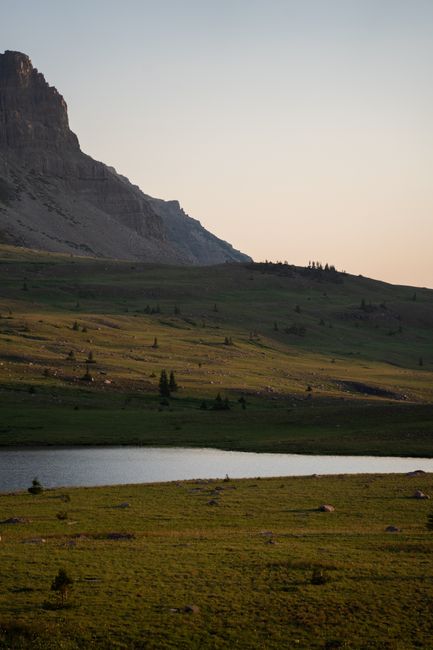
Sunrise over a quiet state park lake with empty campsites and tall pine trees
Trip SetupCampMate Stories

What New State Park Rate and Reservation Updates Mean for Your Next Camping Trip

State park leaders recently approved updates to camping rates, reservation rules, grant proposals, and construction projects. Here is what campers should watch for and how to plan smoother weekends outdoors.

6 min read

A quick heads up for campers: parks are changing, in a good way

State parks are always evolving, and recent commission approvals around rates, reservation rules, grant proposals, and construction projects are a reminder that your favorite campground can look a little different from season to season.

The good news is that most of these updates aim to improve facilities, expand access, and keep parks running smoothly. With a little planning, you can avoid surprises and make the most of new amenities as they come online.

    Plan like a local

    Before you book, scan the park page for notices about construction, partial closures, or updated reservation windows. It can save you from showing up to a closed loop or a temporarily rerouted trailhead.

    Rate updates: what to expect and how to budget

    When commissions approve new rates, it typically affects camping fees, day-use passes, and sometimes add-ons like extra vehicles or premium sites. Even small adjustments can add up on a long weekend.

    Rather than guessing, treat pricing as part of your trip plan: compare weekdays vs weekends, standard vs full-hookup sites, and consider shoulder seasons when rates and crowds can be lighter.

    • Check whether rates vary by campsite type (tent, RV, yurts, cabins).
    • Look for separate fees for day-use, parking, pets, or extra vehicles.
    • If you camp often, see whether annual passes or multi-visit options pencil out.

    Budget buffer

    Add a small buffer to your trip budget for fees that are easy to miss, like reservation transaction charges or per-night utility fees at hookup sites.

    Reservation rule changes: fewer headaches with the right timing

    Reservation rules can change in ways that directly impact availability: booking windows, cancellation policies, length-of-stay requirements, and how long a site can be held without check-in.

    If your go-to park is hard to book, these updates may be designed to reduce no-shows and improve fairness. For campers, the key is to understand the new timing so you can book confidently and adjust plans if needed.

    • Confirm the booking window for peak season weekends.
    • Review cancellation and modification rules before you click Reserve.
    • Know check-in and check-out times, especially for late arrivals.

    Set a booking reminder

    If your park opens reservations on a specific day or time, set a calendar reminder and have a few backup dates or nearby parks ready.

    Grant proposals: why they matter to campers

    Outdoor recreation grants often fund the behind-the-scenes upgrades that make trips more comfortable: restroom improvements, trail work, accessibility features, signage, habitat-friendly landscaping, and day-use enhancements.

    Even when projects are small, they can have a big impact on the campground experience, especially in high-use parks where wear and tear adds up quickly.

    • Grants can improve accessibility and navigation with better routes and signage.
    • Trail and facility upgrades can spread visitors out and reduce crowding hotspots.
    • New or refreshed day-use areas can make arrival and departure days more fun.

    Watch for “soft openings”

    After grant-funded upgrades, parks sometimes reopen areas gradually. If a new loop or trail segment is listed as open, it may be a great time to visit before word spreads.

    Construction projects: upgrades today, better camping tomorrow

    Construction can mean anything from resurfaced roads and upgraded utilities to new restroom buildings, refreshed campsites, or improved water systems. While it may cause temporary detours or closures, it often results in quieter nights, better drainage, and more reliable services.

    The best approach is to plan around it: choose loops farthest from work zones, book midweek if possible, and pack for a little extra flexibility.

    • Check for campground loop closures or limited services during your dates.
    • Expect occasional daytime noise near active work areas.
    • Look for completed upgrades like improved pads, better lighting, or updated restrooms.

    Pick your campsite strategically

    If you can choose a site, aim for one away from main roads, restroom buildings, and any posted construction zones for a calmer camp vibe.

    Bottom line: plan ahead, then enjoy the upgrades

    Rate and reservation updates can change how you book and what you pay, while grants and construction projects often signal better facilities and smoother park operations ahead.

    A quick pre-trip check of park alerts plus a flexible plan can turn these updates into a win for your next campout. Fresh trails, improved camp loops, and upgraded amenities are all part of keeping state parks great places to unplug.

      Keep a backup option

      Have one nearby park or alternate date in mind. If your first choice is booked or impacted by a closure, you can still get outside without scrambling.

      Continue the journey

      Plan your next state park trip in minutes

      Use CampMate to compare dates, track reservation notes, and keep your packing list and campground details in one place.

      Related Articles

      Continue exploring camping tips and packing guides