CampMate Logo
Founding Member: 50% OFF Forever
🔥 98 spots left
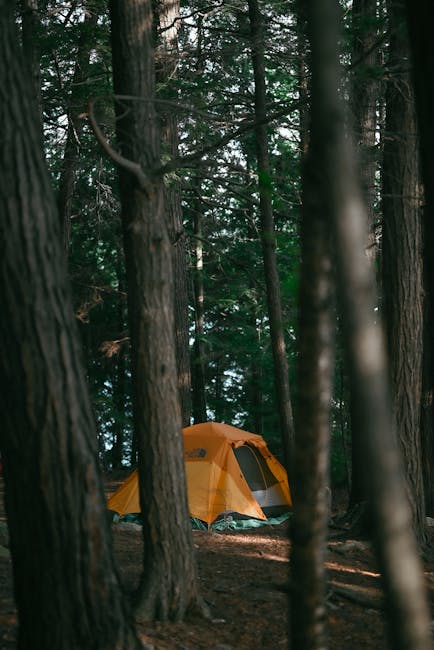
Evergreen forest campsite with a closed gate sign
Trip SetupCampMate Stories

Some Washington Campgrounds May Close This Spring: How to Plan (and Pack) for Last-Minute Changes

Potential closures and reduced services at some Washington recreation sites could make spring camping plans a little less predictable. Here’s how to stay flexible, confirm what’s open, and pack like a pro with CampMate.

6 min read

A heads-up for spring campers in Washington

If you’re planning a spring camping trip in Washington, it’s worth building in a little extra flexibility this year. Several recreation providers have signaled possible closures or service reductions tied to budgets, staffing, and safety realities—meaning a campground that looks “good to go” today could change status before your trip.

The good news: with a simple verification routine and a solid Plan B (and C), you can still have an awesome trip. Below is a practical, camper-friendly way to plan around closures and pack for quick pivots—without turning your weekend into a logistics marathon.

  • Expect more “check before you go” moments this spring
  • Make backups part of the plan (not an afterthought)
  • Pack for flexibility: weather shifts, detours, and self-sufficient camping

CampMate move: build a “Backup Camps” list

In CampMate, create a trip list that includes your primary campground plus 2–3 nearby alternatives. If your first choice closes or fills up, you’re not starting from zero in the parking lot.

What’s driving closures and reduced access

Closures happen for different reasons—and knowing which kind you’re dealing with helps you plan the right workaround. In Washington, current updates point to a mix of budget-driven reductions and safety-driven restrictions.

For example, the Washington Department of Natural Resources (DNR) has warned that state budget cuts could lead to recreation site closures or reduced services. That can translate to fewer staff, less frequent maintenance, and limited facility operations at certain locations.

Separately, some site closures are about public safety. On Lake Chelan, the U.S. Forest Service has an active order prohibiting overnight camping at Moore Point and Cascade Creek campgrounds due to post-fire flooding and debris-flow hazards. That closure is effective from March 18, 2025 through December 31, 2026 (unless rescinded sooner), while day use is still allowed.

  • Budget/staffing impacts can reduce hours, maintenance, or operations (even if the area is technically “open”)
  • Safety closures (post-fire flooding, debris flows, storm damage) can restrict access even in popular seasons
  • Official alerts change—especially after storms or new funding decisions

Match your plan to the closure type

If it’s a budget/service reduction, pack for self-sufficiency (water, trash, navigation). If it’s a safety closure, don’t try to “make it work”—pick a different site.

The 10-minute “is it actually open?” checklist

Before you drive out (or before you lock in PTO), run a quick verification loop. It’s especially important for shoulder-season trips when closures and partial operations are more common.

Start with the managing agency’s official alerts page (State Parks, DNR, USFS, NPS). Then double-check reservation status and any posted orders. If something looks unclear, a fast phone call can save hours on the road.

  • Check the managing agency’s alerts/closures page for your exact park/forest/district
  • Confirm whether the closure affects: overnight camping, day use, specific loops, or roads
  • Look for dates: start/end dates and whether closures are “until further notice”
  • Verify reservations: is the campground reservable, first-come-first-served, or blocked out?
  • Save screenshots (signal can be spotty at trailheads and boat launches)

Save your “proof” offline

Add key closure notes and dates to your CampMate trip notes and keep essential info available offline—especially if you’re headed into low-service areas.

Pack for a pivot: what to bring when plans might change

A last-minute campground change doesn’t have to derail your trip—if your gear can handle a different style of site. The goal is to pack so you can comfortably switch between a developed campground and a more primitive backup spot.

That means thinking a little more about water, power, navigation, and staying warm/dry if your backup sits at a different elevation or has fewer amenities.

  • Water plan: extra containers + a filter (in case spigots are off or you switch to primitive camping)
  • Lighting: headlamps + spare batteries (don’t rely on campground lighting)
  • Power: small power bank for phones/maps (especially if you’re rerouting)
  • Warmth: an extra insulation layer and dry socks (backup sites can be colder/wetter)
  • Navigation: downloaded maps and a paper backup for forest roads

CampMate move: tag items as “Plan B essentials”

Create a mini checklist inside your main packing list for pivot-critical items (water storage, filter, power bank, extra layers). That way you don’t forget the stuff that makes a backup site comfortable.

Flexible planning = more camping, less scrambling

When campgrounds face closures or reduced services, the best campers aren’t the ones with the most gear—they’re the ones with the most adaptable plan. Build in backups, verify official status close to departure, and pack so you can comfortably switch locations.

Spring camping in Washington is still absolutely worth it. With a little planning and a smart CampMate checklist, you’ll spend more time outside and less time troubleshooting.

  • Verify official alerts and closure orders before you leave
  • Always keep 2–3 backup options within a reasonable drive
  • Pack for self-sufficiency in case services are limited

One last check

Do a final alert check the night before and the morning of departure—especially after heavy rain, wind, or late-season snow.

Continue the journey

Plan once, pack confidently—even if your campsite changes

Use CampMate to build a flexible packing list, save backup campground options, and keep your trip notes organized for last-minute pivots.

Related Articles

Continue exploring camping tips and packing guides