
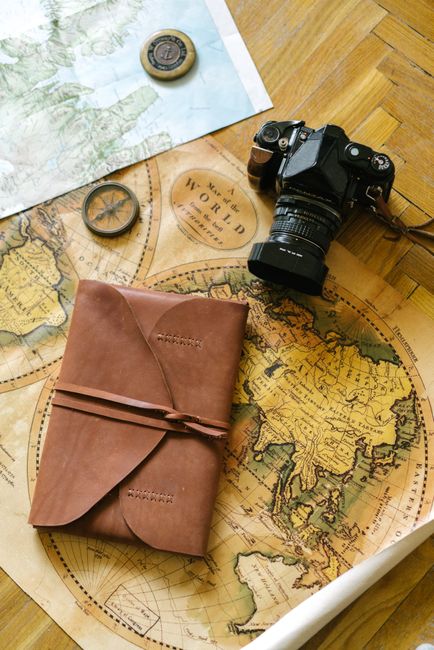
A tidy campsite planning flat lay with a map, compass, notebook, and camping gear on a wooden table
Trip Setup

Keep Every Camping Trip Organized in One Place: Dates, Destination, and Packing Progress at a Glance

Stop juggling screenshots, notes, and half-finished checklists. Use one simple trip hub to track your dates, destination details, and packing progress so you can focus on the fun part: getting outside.

6 min read

Your best trips start with one clear plan

Most camping stress does not come from the outdoors. It comes from scattered info: a reservation email in one place, a trailhead pin in another, and a packing list that lives in your head until you are already in the driveway.

A simple fix is to treat each trip like a single “home base” where the essentials live together: dates, destination, key details, and packing progress. Once that is in place, everything else becomes easier, including deciding what to pack and what to leave behind.

Below is a practical, repeatable way to keep every camping trip organized in one place, plus how CampMate’s Trip Planner can help you see your trip details and packing progress at a glance.

    The goal of planning

    Planning is not about adding steps. It is about removing last-minute decisions so you can leave on time and arrive relaxed.

    Build a “trip hub” before you build a packing list

    Before you start listing gear, lock in the trip basics. When the basics are clear, your packing list writes itself and stays realistic.

    Your trip hub should answer five questions:

    • When are we going? (departure and return dates, plus check-in time if you have one)
    • Where are we sleeping? (campground name, site number, address, confirmation details)
    • What style of trip is it? (car camping, walk-in site, RV, cabin, quick overnight)
    • What is the plan each day? (a loose schedule: hike, lake day, town resupply)
    • What are the constraints? (bear lockers, fire rules, power hookups, water availability)

    Keep it simple

    A trip hub is not an itinerary spreadsheet. A few key details beat a “perfect” plan you will not maintain.

    Capture destination details that prevent common last-minute scrambles

    The most useful planning notes are the ones that prevent rework: backtracking for supplies, realizing you need cash, or discovering you cannot buy firewood where you thought you could.

    Add these destination details to your trip hub so you can make smart packing decisions early:

    • Campground specifics: site size, shade, surface (dirt, gravel, pad), and whether stakes work
    • Water and bathrooms: potable water on-site, showers, dump station, or bring your own water
    • Food storage: bear box, bear pole, or required bear canister
    • Fire and cooking rules: fire ring, seasonal restrictions, and whether charcoal is allowed
    • Nearby essentials: closest gas, grocery, ice, and cell coverage notes

    One photo saves a lot of guessing

    If the campground page shows your site map or pad length, save the info in your trip hub. It helps you choose the right tent footprint and avoid bringing gear that will not fit.

    Use packing progress, not just a packing list

    A packing list is a great start, but it does not answer the real question the night before: what is actually packed?

    Try a simple three-stage system that works for solo trips and groups:

    • Need: items you intend to bring (your checklist)
    • Staged: items gathered in one spot (garage bin, hallway pile, trunk tote)
    • Packed: items physically loaded (in the car, trailer, or pack)

    Pack by zones

    Stage and pack by zones, not by item type: sleep system, kitchen, clothing, camp comfort, and safety. Zones make it easier to spot gaps fast.

    Keep dates, destination, and packing progress together with CampMate

    Once you have a trip hub and a packing progress system, the next challenge is keeping it all in one place where you will actually look.

    CampMate’s Trip Planner is built for that: you can keep all your trips in one place and see the essentials at a glance, including your dates, destination, and how far along you are on packing.

    A simple workflow that many campers find useful is:

    • Create the trip as soon as you pick dates and a destination, even if details are still fuzzy
    • Add quick destination notes as you learn them (site info, water situation, local rules)
    • Build or attach your packing list to that specific trip so it matches the trip style
    • Check packing progress in one glance as you stage and load gear

    Plan the trip before you pack

    When your trip details and packing progress live together, you spend less time second-guessing and more time dialing in the right gear for this exact weekend.

    A little organization goes a long way outdoors

    You do not need a complicated system to plan great camping trips. You just need one reliable place to keep the basics, a short list of destination details that influence what you bring, and a way to track packing progress from “need” to “packed.”

    If you want that trip hub to live in your pocket and stay easy to check, CampMate’s Trip Planner can help you keep every trip organized in one place so you can head out with confidence.

      Make it repeatable

      After each trip, add one note: what you did not use and what you wished you had. Next time, your planning gets faster automatically.

      Continue the journey

      Keep all your trips in one place

      Try CampMate’s Trip Planner to organize dates, destination details, and packing progress at a glance for every camping trip.

      Related Articles

      Continue exploring camping tips and packing guides