
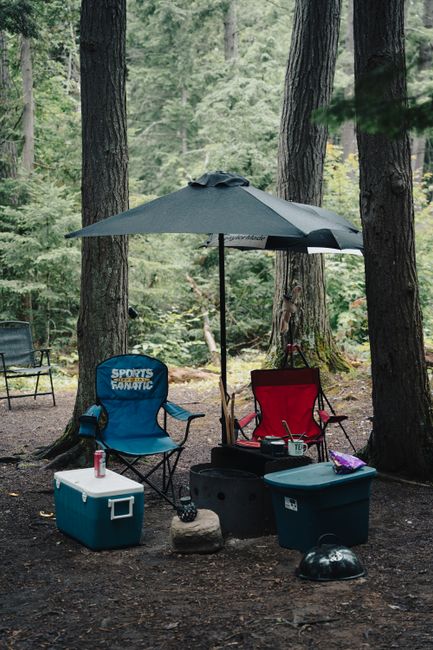
Flat lay of camping essentials on a picnic table: stove, fuel, headlamp, cooler, tent stakes, and labeled dry bags
Trip SetupCampMate Stories

Collaborative Packing for Group Camping: Keep the Whole Crew Coordinated

Group trips are fun until everyone assumes someone else packed the stove. Here is a simple, practical system for shared packing so you know who brings what, what is already packed, and what still needs a last-minute run to the store.

7 min read

Pack together without chaos

The best group camping trips feel effortless: everyone shows up, camp goes up fast, dinner happens on time, and nobody is digging through three bins looking for the can opener.

The secret is not packing more. It is packing together, on purpose. Collaborative packing means your group shares one source of truth for who is bringing what, what is already packed, and what is still missing.

Below is a straightforward system you can use for any crew size, from a couple of friends to a full campsite of families. It works on paper, in a group chat, or inside an app like CampMate where you can build a shared packing list and assign items to people.

  • One list for the whole group (not five separate lists)
  • Clear owners for shared items (stove, cooler, shelter, water)
  • A simple packed status so nothing gets forgotten

Quick mindset shift

Treat shared gear like a relay: each critical item needs a named owner and a clear packed status. If it is important, it should never be “someone will probably bring it.”

Step 1: Build one shared packing list (and split it into zones)

Start with a single master list that everyone can see. Then organize it by camp zones instead of by person. Zones make it obvious what is missing and prevent duplicates.

A simple zone setup that works for most car camping trips is: Sleep and Shelter, Kitchen and Food, Water and Cleanup, Lighting and Power, Clothing, and Fun and Comfort.

If you are using CampMate, this is where collaborative packing shines. Create one trip packing list, invite your group, and keep the list shared so updates are visible to everyone in real time.

  • Sleep and Shelter: tent, stakes, tarp, sleeping bags, pads, pillows
  • Kitchen and Food: stove, fuel, cookware, utensils, cooler, meal ingredients
  • Water and Cleanup: jugs, filter, soap, sponge, trash bags, towels
  • Lighting and Power: headlamps, lantern, batteries, power bank
  • Clothing: layers, rain shell, camp shoes, hat
  • Fun and Comfort: chairs, games, hammock, speaker (if your campground allows)

Keep the list short at first

Start with essentials and shared gear. Add personal items after the group basics are covered. This prevents the list from turning into a scrolling novel that nobody reads.

Step 2: Assign an owner to every shared item (who brings what)

The fastest way to avoid missing gear is to assign ownership, not just list items. Each shared item should have one primary owner and, if it is critical, a backup plan.

Think in terms of systems: “Cook system” (stove, fuel, lighter, pot), “Coffee system” (kettle, filter, mug), “Shelter system” (tent, stakes, footprint). Systems help you notice the small parts that make big gear usable.

With CampMate’s collaborative packing, you can assign items to specific people so everyone knows what they are responsible for bringing, without a long message thread.

  • Stove + fuel + lighter: one owner (and confirm fuel type)
  • Cooler + ice plan: one owner (and decide who buys ice)
  • Tent + stakes + footprint: one owner (and confirm capacity)
  • Water: one owner (jugs or filter, plus refill plan)
  • Trash and cleanup: one owner (bags, soap, towels)

Use the “critical item” rule

If forgetting it would force a store run or change your plans, it is critical. Critical items need a named owner and a check-in the day before departure.

Step 3: Track “packed” status to eliminate last-minute surprises

Ownership answers “who brings what.” Packed status answers “is it actually in the car.” You need both.

A simple packed workflow is: Assigned, Packed, In Vehicle, At Camp. Even if you only use Assigned and Packed, you will catch most problems early.

CampMate makes this easy for groups because everyone can update item status as they pack. That way, the group sees progress without needing constant check-ins.

  • Do a 48-hour check: confirm owners for all critical items
  • Do a night-before sweep: mark shared items as packed
  • Do a departure scan: confirm the “big three” are in a vehicle (shelter, cooking, water)

The 10-minute tailgate review

Before anyone drives off, do a quick tailgate review with the list: shelter system, cook system, water system. It is faster than fixing it later.

Step 4: Coordinate meals like a team (without over-planning)

Food is where group trips get messy: duplicates, missing ingredients, and a cooler full of random condiments. Keep it simple by planning around a few shared meals and letting people handle their own snacks.

Pick 2 to 4 anchor meals for the trip and assign a meal lead for each. The meal lead owns the ingredients list and the cooking gear needed for that meal.

Then build a shared “camp kitchen basics” list that covers oil, salt, soap, paper towels, trash bags, and the can opener. These small items are the usual trip breakers.

  • Anchor meals: one-pot pasta, tacos, foil packet veggies, breakfast burritos
  • Kitchen basics: salt, pepper, oil, spatula, knife, cutting board, soap, sponge
  • Cooler plan: who brings cooler, who buys ice, what gets packed last

Prevent the condiment avalanche

Assign one person to bring a small “shared condiments” kit. Everyone else skips condiments unless it is essential to their meal.

A coordinated crew is a relaxed crew

Collaborative packing is not about being rigid. It is about giving your group a clear plan so you can spend less time sorting gear and more time hiking, cooking, and hanging around the fire.

If you want an easy way to keep one shared list, assign items to people, and track what is packed, CampMate’s collaborative packing is built for exactly that. Set up the trip once, invite your crew, and let the list do the coordinating.

  • One shared list
  • Named owners for shared systems
  • Packed status checked before wheels-up

Make it reusable

After the trip, note what you never used and what you missed. Next time, start from that improved group list and you will get smoother with every outing.

Continue the journey

Plan and pack as a group, without the group chat chaos

Build a shared packing list, assign who brings what, and track what is packed so your crew arrives ready to camp.

Related Articles

Continue exploring camping tips and packing guides