
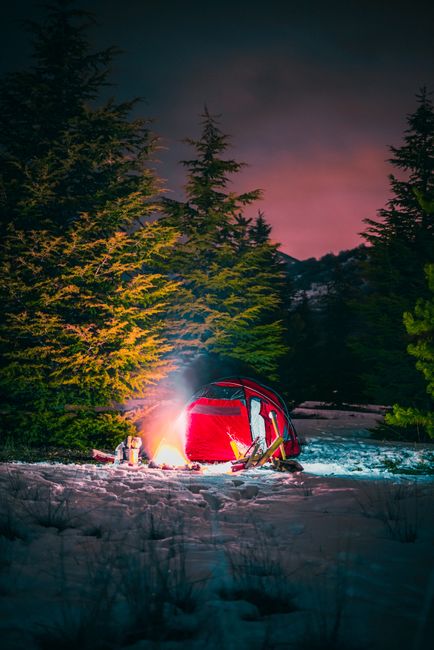
Warm glow of a lantern outside a winter tent with frosty trees in the background
Gear & PackingWeather Ready

How to Safely Heat a Tent: Cozy Camping Without the Worry

Stay warm in your tent with simple, low-fuss strategies that prioritize comfort and clean airflow. From campsite setup to smart gear choices, here are practical ways to keep nights cozy.

6 min read

A warmer tent starts with smarter choices

When temperatures dip, it is tempting to look for a quick heat source. The coziest camping nights usually come from combining good sleep systems, smart site selection, and gentle heat strategies that keep air fresh.

This guide focuses on practical, low-drama ways to warm up your tent setup while keeping comfort and airflow top of mind.

    Think “warm sleep system” first

    Most of your warmth should come from your sleeping pad, sleeping bag or quilt, and dry layers. “Heating the tent” is a bonus, not the foundation.

    Use your campsite and tent setup to block the chill

    Before you add any gear, use the landscape to your advantage. Wind steals warmth fast, and a small change in placement can make a big difference.

    Look for natural windbreaks like trees or a small rise in terrain, and avoid low spots where cold air tends to settle overnight.

    • Pitch behind a windbreak, but not directly under heavy, dripping branches
    • Face the tent’s narrow end toward the wind to reduce drafts
    • Tension guylines for a tighter pitch and fewer flappy, heat-leaking panels
    • Use a footprint or groundsheet sized to your tent to reduce ground moisture creep

    Ventilation still matters in the cold

    Crack a vent or keep a small opening to reduce condensation. A drier tent often feels warmer than a damp one.

    Insulate the floor and your sleep system for real warmth

    The ground is usually the biggest heat sink. A high-quality insulated sleeping pad does more for comfort than almost anything else, especially when the temperature drops.

    Pair your pad with a sleeping bag or quilt that matches the conditions, and keep sleep clothing dry and dedicated for bedtime.

    • Choose an insulated sleeping pad with an R-value appropriate for the season
    • Add a thin closed-cell foam pad under an inflatable for extra insulation
    • Use a bag liner for a small warmth boost and cleaner sleep setup
    • Wear dry base layers and warm socks reserved for sleeping

    Do a quick “cold spots” check

    If you wake up chilly on your hips or shoulders, it is often a pad insulation issue. Upgrading R-value can feel like turning the thermostat up.

    Gentle heating options that keep things simple

    If you want extra warmth beyond your sleep system, choose options designed for enclosed camping use and follow the manufacturer instructions exactly. Prioritize stable placement, clear space around the heat source, and fresh airflow.

    In many cases, warming your body and bedding is more effective than trying to raise the entire tent temperature.

    • Warm water bottle in a sock placed near your core or feet
    • Hand warmers used as directed, placed in a pocket or at the foot of a sleeping bag
    • Battery-powered tent fans with a gentle heat setting if specifically rated for tent use
    • Hot drink before bed to help you feel cozy as you settle in

    Pre-warm your sleep space

    A warm water bottle can take the edge off quickly. It is quiet, low-maintenance, and helps you feel comfortable without heating the whole tent.

    Nighttime habits that help you stay warm

    A few small routines can keep you comfortable through the night. The goal is steady warmth, not overheating early and cooling down later.

    Eat a satisfying dinner, keep essentials within reach, and manage moisture so you do not end up damp and chilly.

    • Have a warm, filling meal before bed
    • Do a quick walk or light movement to warm up, then get into your bag before you cool down
    • Keep tomorrow’s clothes in the foot of your bag so they are warmer in the morning
    • Store water filter and electronics where they will not get too cold overnight

    Stay ahead of condensation

    Wipe down inner walls with a small pack towel in the morning. Less moisture means a more comfortable tent on night two.

    Continue the journey

    Plan warmer nights with CampMate

    Build a cold-weather packing list, track gear like pads and bags, and organize your campsite plan so you can focus on cozy evenings outdoors.

    Related Articles

    Continue exploring camping tips and packing guides