
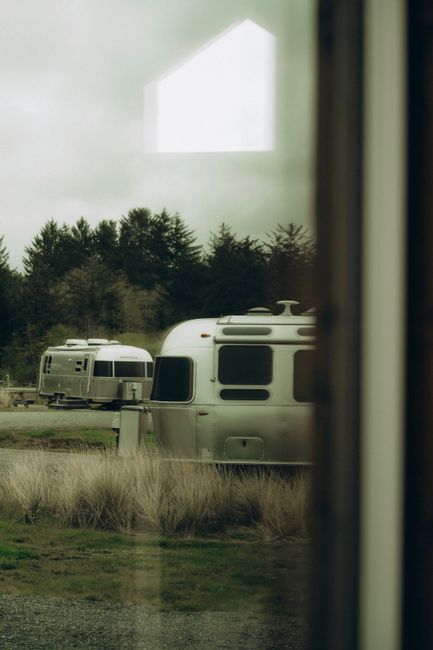
Compact silver travel trailer parked at a pine forest campsite with mountains in the background
Gear & PackingTrip Setup

Airstream’s New Compact Travel Trailer Makes Retro Glamping More Affordable

Airstream’s latest compact travel trailer keeps the brand’s iconic retro vibe while aiming for a more approachable price point. Here’s what a smaller Airstream can mean for easier towing, simpler campsite planning, and cozy weekends on the road.

6 min read

A smaller Airstream, a bigger invitation to get outside

Airstream has long been the daydream trailer for campers who love classic aluminum curves and a cozy, well-finished interior. The catch has often been price and size.

With a new compact travel trailer in the mix, Airstream is leaning into a simpler idea: keep the retro look and comfort, shrink the footprint, and make ownership feel more within reach for more campers.

If you have been curious about “retro glamping” but want something easier to tow, store, and fit into more campsites, a compact trailer can be a smart middle ground between a tent and a full-size rig.

    CampMate quick start

    Before you fall in love with any trailer, build a short list of your must-haves in CampMate: sleeping capacity, typical trip length, preferred campground style, and your tow vehicle details.

    Why compact trailers are having a moment

    Compact travel trailers are popular for one simple reason: they reduce friction. Less length and weight generally means easier towing, fewer white-knuckle moments in tight turns, and more flexibility when picking campsites.

    They also fit better into real life. A smaller trailer is often simpler to store at home, easier to maneuver in a driveway, and more likely to squeeze into older campgrounds with shorter pads.

    For many campers, compact does not mean barebones. It means efficient design: thoughtful storage, multipurpose spaces, and the comforts that make a rainy evening feel like a treat instead of a test.

    • More campsite options, including many state parks and older campgrounds
    • Less stress when backing in or navigating narrow campground loops
    • Potentially lower fuel costs compared to larger trailers
    • A quicker setup when you arrive late or leave early

    Pick campsites by trailer length

    When you plan trips, filter campgrounds by maximum trailer length and pad type. Shorter rigs usually unlock more sites, especially in popular parks.

    Retro glamping: the vibe without the fuss

    Retro glamping is about comfort with character. Airstream’s signature look brings instant campsite charm, but the real win is how a well-designed interior supports relaxed weekends: a warm place to cook, a dry spot to change, and a comfortable bed after a long hike.

    A compact trailer can still deliver that “everything has a place” feeling. Think smart cabinetry, durable finishes, and a layout that helps two people move around without constantly reorganizing gear.

    If you are upgrading from tent camping, even a small trailer can feel like a major quality-of-life jump: better sleep, easier meal prep, and a reliable shelter when weather changes.

    • Cozy indoor space for coffee, cards, and rainy-day resets
    • More consistent comfort across hot afternoons and cool nights
    • A cleaner, simpler camp kitchen workflow

    Pack like a small-space pro

    Use soft bins instead of hard totes, and group gear by task: cooking, sleeping, hiking, and maintenance. Compact trailers reward tidy systems.

    What “more affordable” can mean in real-world ownership

    A more affordable Airstream is not just about the sticker price. Compact trailers can also reduce the hidden costs of getting on the road, especially if they are easier to tow with a wider range of vehicles.

    Even with a smaller trailer, you still want to plan for the full ownership picture: hitch setup, brake controller (if needed), routine maintenance, storage fees (if you cannot store at home), and campground costs.

    The best way to keep the experience truly affordable is to match the trailer to your actual trip style. If you mostly do weekend getaways and short road trips, a compact layout can be perfect. If you plan long stays or travel with a larger crew, you may want more space.

    • Confirm your tow vehicle’s ratings before you shop
    • Budget for hitch gear, leveling tools, and basic maintenance supplies
    • Consider storage and campsite fees as part of the monthly cost

    Do a driveway “test week”

    If possible, rent a similar-size trailer for a weekend. You will learn more about space, storage, and towing comfort in two days than in two hours of browsing.

    How to plan trips around a compact trailer

    Once you have a smaller trailer, trip planning can get easier because you can be more flexible with where you stay and how you route your drive.

    Build trips around what your trailer does best: quick overnights, scenic state parks, and campsites with tighter access. Then layer in practical details like dump stations, water fill-ups, and grocery stops.

    A simple system keeps every trip smooth: confirm site length, check hookups, plan your arrival window, and keep a short pre-departure checklist so you do not forget the small essentials.

    • Choose routes with comfortable driving days and easy fuel stops
    • Check campsite pad length, slope, and surface type before booking
    • Plan a simple “arrival routine” for leveling and setup

    Save a repeatable checklist

    In CampMate, create a reusable trailer checklist: hitch and lights, tire pressure, water and propane, fridge settings, leveling blocks, and a final walk-around.

    Continue the journey

    Plan your next retro glamping weekend

    Organize gear lists, towing checklists, and campsite details in one place so your compact-trailer trips feel effortless from driveway to campfire.

    Related Articles

    Continue exploring camping tips and packing guides