
A neatly organized campsite gear layout with tent, backpack, stove, and lantern on a forest floor
Gear & PackingTrip Setup

Best Camping Gear Picks, According to Pro Campers

Build a reliable camping kit with pro-approved essentials, from a smart shelter setup to a streamlined cook system. Here are the gear categories that matter most, plus practical tips to choose the right options for your trips.

7 min read

A pro-style camping kit is all about comfort per ounce

Ask experienced campers what gear they trust most and you will hear a consistent theme: keep it simple, keep it dependable, and choose pieces that work well together. The goal is not to buy the most gear, it is to bring the right gear.

This guide breaks down the core categories pro campers prioritize, along with what to look for when you shop. Use it to upgrade your kit one smart item at a time, whether you car camp on weekends or head out for longer backcountry trips.

  • Focus on the big three first: shelter, sleep, and cooking
  • Choose gear that matches your typical conditions and campsite style
  • Prioritize durable, easy-to-use items over fancy features

CampMate quick start

In CampMate, create a master gear list and tag items by trip type (car camping, backpacking, shoulder season) so you can pack faster and avoid duplicates.

Shelter: a calm, dry home base

Pros treat shelter as a system: tent or tarp, ground protection, and a plan for wind and rain. The best shelter is the one you can set up quickly, that vents well, and that stays comfortable when temperatures swing.

For car camping, a roomier tent with good ventilation and a sturdy rainfly can feel luxurious. For backpacking, weight and packed size matter more, but you still want solid weather protection and simple setup.

  • Look for full-coverage rainfly and sealed seams for wet conditions
  • Prioritize ventilation: mesh panels and adjustable vents reduce condensation
  • Check floor durability and consider a footprint to extend tent life
  • Practice pitching at home so setup is fast at camp

Fit check

A 2-person tent often fits 1 person plus gear comfortably. If you want elbow room, size up by one.

Sleep system: the comfort upgrade that changes everything

A strong sleep system is the difference between simply spending the night outside and waking up ready for the day. Pro campers think in layers: a sleeping pad for insulation and comfort, a bag or quilt rated for the conditions, and a pillow or clothing-based solution for neck support.

Temperature ratings can be confusing. Many experienced campers choose a bag that is warmer than they think they need, then vent it if the night stays mild.

  • Choose a sleeping pad with enough insulation for your season and elevation
  • Pick a sleeping bag or quilt with a realistic temperature rating for your trips
  • Bring a simple pillow solution for consistent comfort
  • Keep sleep gear dry with a stuff sack or pack liner

Warmth without bulk

If you camp in variable weather, a lightweight liner or extra base layer can extend your sleep system without buying a new bag.

Cooking system: fewer parts, better meals

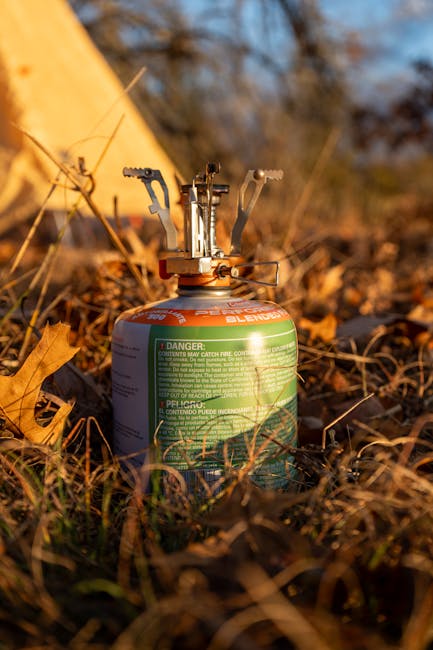
A pro-friendly camp kitchen is modular and minimal. Think stove, fuel, pot, utensil, and a reliable way to clean up. For car camping, a two-burner stove makes cooking feel like home. For backpacking, a compact canister stove and a single pot can handle most meals.

The best cooking gear is the gear you actually use. If you love coffee, make room for a simple brewer. If you prefer easy dinners, focus on a pot that heats evenly and a spoon you like using.

  • Match your stove to your style: two-burner for car camping, compact for backpacking
  • Bring one pot that fits your typical meals and nests with your stove if possible
  • Pack a windscreen or cook in sheltered spots to improve efficiency
  • Keep cleanup easy with a small scrubber and a dedicated towel

Pack smarter

Store your kitchen kit in one bin or bag so setup and cleanup take minutes, not a scavenger hunt.

Water, lighting, and power: the quiet essentials

These are the items you notice most when you forget them. A simple water plan keeps camp running smoothly, and good lighting makes evenings more relaxing. Power is optional, but a small battery can be handy for longer trips or for keeping navigation and planning tools available.

Pros often bring redundant light sources: a headlamp for hands-free tasks and a lantern or area light for hanging out at camp.

  • Water: carry enough capacity and bring a filter or treatment method if needed
  • Lighting: headlamp plus a small lantern covers most camp tasks
  • Power: a compact battery bank can support phones, GPS, or a small light
  • Storage: use dry bags or bins to keep essentials organized and easy to find

Lighting layout

Keep a headlamp in your tent pocket and another in your kitchen kit so you always have one within reach.

Build your kit like a pro: one dependable upgrade at a time

The best camping gear is the gear that fits your trips, sets up easily, and holds up season after season. Start with shelter, sleep, and cooking, then add water and lighting pieces that make camp feel smooth and comfortable.

As you dial in your setup, keep notes on what you used, what you skipped, and what you wish you had. Over a few trips, you will end up with a streamlined kit that feels custom built for your camping style.

  • Upgrade the categories that improve comfort and efficiency the most
  • Choose simple, durable gear that works well together
  • Refine your packing list after each trip

Post-trip reset

After you unpack, restock consumables and return gear to its home spot so your next trip starts stress-free.

Continue the journey

Plan your next trip with a cleaner gear list

Use CampMate to organize your gear by trip type, build packing checklists, and keep your essentials dialed in for every campsite.

Related Articles

Continue exploring camping tips and packing guides