
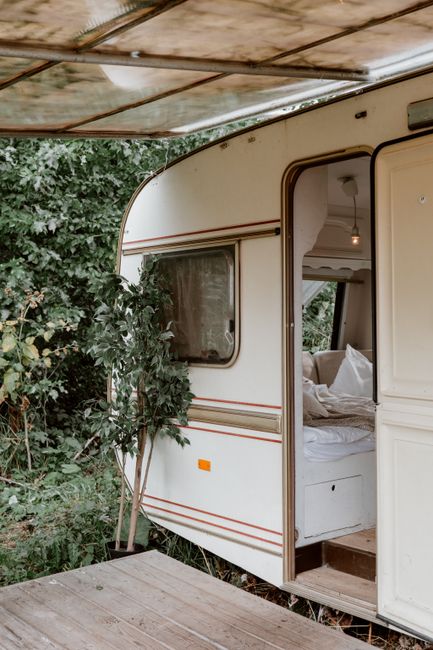
Lightweight travel trailer parked at a forest campsite with mountains in the background
Trip SetupGear & Packing

Best 2026 Travel Trailers Under 5,000 lbs: Lightweight Picks for Easy Towing

Shopping for a 2026 travel trailer under 5,000 lbs? Here is a practical, outdoorsy guide to what to look for, which lightweight trailer styles fit different camping plans, and how to match a trailer to your tow vehicle and campsites.

7 min read

Why a sub 5,000 lb travel trailer is a sweet spot

A travel trailer under 5,000 lbs can open up a lot of camping options. It is typically easier to tow, easier to park, and often fits nicely into a wider range of campsites, including many state park loops and smaller forest campgrounds.

For 2026 models, the lightweight category continues to improve with smarter storage, more efficient layouts, and better off grid friendly options like solar prep and larger battery compartments. The key is choosing a trailer that stays comfortable without creeping past your tow vehicle limits.

  • More campsite flexibility with shorter lengths and lighter weights
  • Less stress on long drives, tight turns, and backing in
  • Often better fuel economy compared to heavier rigs
  • Lower overall cost for tires, brakes, and routine maintenance

CampMate planning tip

Create a simple checklist in CampMate with your tow ratings, preferred campsite types, and must have features. It keeps you focused when comparing floorplans.

Know the numbers: dry weight vs GVWR vs what you actually tow

Most trailers advertised under 5,000 lbs are listed by dry weight, which is the trailer without water, propane, batteries, food, and your gear. Real world camping weight is almost always higher.

To shop confidently, pay attention to GVWR (the maximum the trailer can weigh when loaded) and tongue weight (what presses down on your hitch). Matching these to your vehicle and hitch setup is what makes towing feel stable and relaxed.

  • Dry weight: factory weight, usually not your camping weight
  • GVWR: your true upper limit for loaded trailer weight
  • Cargo carrying capacity (CCC): how much stuff you can add
  • Tongue weight: typically 10 to 15 percent of loaded trailer weight

Quick rule of thumb

If a trailer is listed at 4,000 lbs dry, plan for 4,600 to 5,200 lbs when loaded unless you pack very light. Always verify with the trailer sticker and your vehicle manual.

Lightweight trailer styles that shine under 5,000 lbs

Instead of chasing one perfect model, start with the style that matches how you camp. Under 5,000 lbs you will commonly see compact couples coaches, bunkhouse minis, and versatile rear kitchen or rear bath layouts.

Many 2026 lightweight trailers focus on multi use spaces, like dinettes that convert quickly, Murphy beds, and smarter pantry storage. These features can make a smaller trailer feel roomy without adding much weight.

  • Couples layout: simpler, lighter, often more storage for longer trips
  • Mini bunkhouse: great for families, usually the heaviest in this class
  • Murphy bed floorplans: daytime space without giving up a real mattress
  • Rear bath or rear kitchen: can improve flow and counter space

Layout test

Picture a rainy morning inside. If you can make coffee, change clothes, and access the bathroom without a traffic jam, the layout is doing its job.

Features worth paying for in a lightweight 2026 trailer

Lightweight does not have to mean bare bones. The best value upgrades are the ones that improve comfort and reduce setup time at camp.

Look for practical features that support your camping style, whether that is weekend park hopping or longer stays with more time off pavement.

  • Solar prep or factory solar package for simple off grid power
  • Larger fresh water capacity if you like dispersed or rustic camping
  • Good insulation and sealed underbelly if you camp in shoulder seasons
  • Power awning and exterior lighting for easy evenings outdoors
  • Quality tires and a solid brake controller setup for smoother towing

Ask this at the dealership

What is included in the trailer as delivered: battery, propane, spare tire, and weight distribution hitch? Those items affect both cost and real world weight.

How to pick the right lightweight trailer for your routes and campsites

Your best trailer is the one that fits your tow vehicle, your typical drive distances, and the places you actually camp. A slightly smaller trailer can be a big win if you like tight forest sites, frequent moves, or scenic byways.

Before you buy, map out your most common trips and campsite types. Then prioritize length, storage access, and tank sizes accordingly.

  • If you move often: prioritize quick setup features and easy storage access
  • If you stay longer: prioritize tank sizes, pantry space, and comfort seating
  • If you camp in trees: consider shorter length and better maneuverability
  • If you bring bikes and chairs: check pass through storage and payload

CampMate workflow

Save your favorite campgrounds and note their pad length, road width, and hookups. Then compare those notes against trailer length and utility locations before you commit.

Continue the journey

Plan your lightweight RV trips the easy way

Use CampMate to organize tow vehicle notes, trailer comparisons, campground details, and packing lists so your next getaway feels simple from driveway to campsite.

Related Articles

Continue exploring camping tips and packing guides