
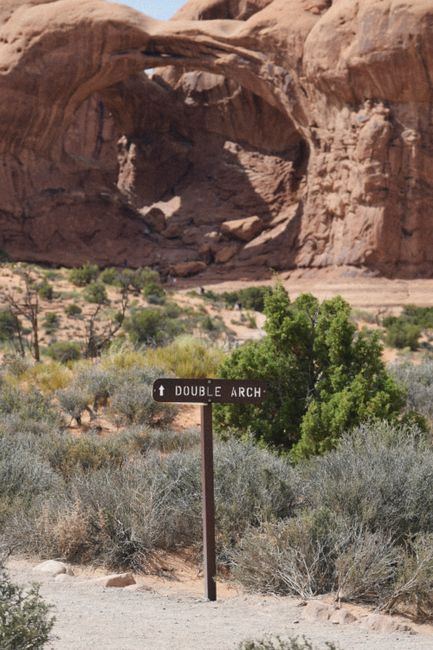
Sunrise over a red rock arch and distant mountains with a quiet empty trail
Trip Setup

National Park Reservation Changes: What to Know for Arches, Yosemite, and Glacier

Reservation systems can make park days smoother, but the rules change fast. Here is a friendly, practical guide to recent updates affecting Arches and Yosemite, plus major adjustments at Glacier, and how to plan flexible trips with less guesswork.

6 min read

Why reservation rules matter (even if you love spontaneous trips)

If you have visited a popular national park lately, you have probably noticed how much the experience can depend on entry rules. Timed entry and vehicle reservation systems are designed to spread out arrivals, reduce long lines, and help protect resources.

Recent announcements indicate that the Department of the Interior is canceling or changing some reservation approaches at Arches and Yosemite, while making major adjustments at Glacier. The details can shift by season, so the smartest move is to plan for flexibility and verify requirements close to your travel dates.

  • Expect park entry rules to vary by season and even by day of week
  • Plan for both reserved access and a no-reservation backup option
  • Check official park pages 1 to 2 weeks before you go, then again the day before

Quick planning habit

Create a simple checklist: park entry requirements, peak hours, shuttle info, and your backup hike. Recheck it the evening before you drive in.

What is changing at Arches, Yosemite, and Glacier

Reservation systems are not one size fits all. Some parks use timed entry to manage morning rushes, while others apply vehicle reservations to specific corridors or entrances. According to the National Parks Conservation Association coverage, Interior is canceling successful reservation systems at Arches and Yosemite and making major changes at Glacier.

What this means for campers and day trippers is simple: do not assume last year’s process will be the same this year. You may see different booking windows, different areas requiring reservations, or different times when reservations are checked.

  • Arches: timed entry requirements may be reduced, paused, or restructured depending on the season
  • Yosemite: reservation approaches can change between peak and shoulder seasons
  • Glacier: vehicle reservation rules may shift by corridor, entrance, or time period

Use the source of truth

For any park, rely on the official National Park Service site for the current season’s rules, then use news coverage to understand the bigger picture.

How these changes could affect your itinerary

When reservation requirements are loosened, it can feel like a win for spontaneity. The tradeoff is that popular days can fill up with vehicles quickly, leading to slower entry lines and fuller parking lots.

When rules become more complex, like corridor specific vehicle reservations, the key is to match your plan to the areas you most want to see. A little routing strategy goes a long way.

  • Arrive early or visit later in the day to avoid peak entry surges
  • Prioritize one main area per day to reduce time spent driving and searching for parking
  • Build in a flexible afternoon option closer to camp in case access is limited

Parking-friendly planning

Choose one headline stop and two nearby alternatives. If the main lot is full, pivot fast and keep the day fun.

Low-stress planning strategies that work with any system

Whether a park uses timed entry, vehicle reservations, shuttles, or none of the above, a few habits make trips smoother. The goal is not to overplan. It is to plan just enough that you can adapt on the fly.

If you are camping, remember that campground location and your daily start time can matter as much as any reservation rule. Being closer to an entrance or a shuttle hub can save hours over a weekend.

  • Set a target arrival time that is earlier than you think you need
  • Save offline maps and pin trailheads, viewpoints, and backup stops
  • Pack a picnic lunch to avoid mid-day congestion at park villages and cafes
  • Keep one non-park adventure ready, like a scenic drive or nearby state park

The 2-window check

Check rules once when you book lodging or campsites, then again 48 hours before arrival. That catches most seasonal updates.

A simple CampMate workflow for flexible park days

When entry rules are in flux, having your plan in one place helps. CampMate is great for organizing your campsite details, daily goals, and backup options so you can spend less time refreshing webpages and more time outside.

Try structuring each day with a primary plan, a backup plan, and a sunset plan. That way, if access rules or parking change, you still have a great day mapped out.

  • Primary plan: your must-do trail or scenic area
  • Backup plan: a less popular trail or viewpoint in the same region
  • Sunset plan: an easy nearby spot that does not require perfect timing

Keep it light

If a reservation rule changes, treat it like a route adjustment, not a trip-ender. A flexible plan usually leads to quieter trails and better views.

Continue the journey

Plan a smoother park trip with flexible itineraries

Organize your campsite info, daily must-dos, and backup options so you can adapt quickly to reservation and entry rule changes.

Related Articles

Continue exploring camping tips and packing guides