
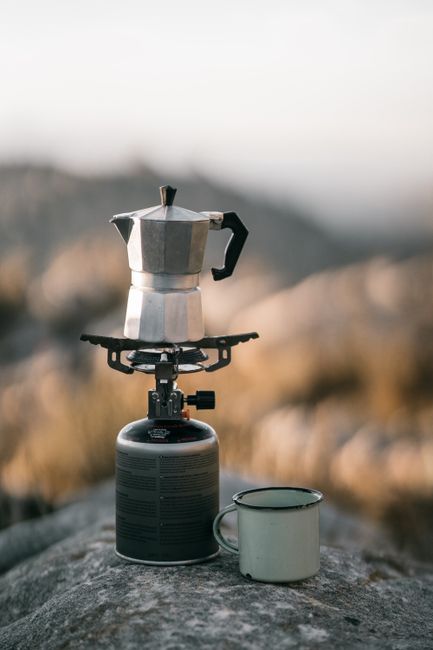
Compact backpacking stove boiling water beside a lightweight pot on a rocky campsite surface
Gear & Packing

The Best Backpacking Stoves of 2026: How to Choose the Right One for Your Trips

From quick weekend overnights to longer routes, the right backpacking stove makes camp cooking simpler and more enjoyable. Here is a practical 2026 guide to stove types, fuel options, and what to look for before you buy.

7 min read

A great stove turns a simple break into a real camp kitchen

A backpacking stove does more than boil water. It shapes your whole routine: how fast you can make coffee, how easy it is to cook real meals, and how much fuel you need to carry.

In 2026, the best stove is not one single model. It is the one that matches your trip style, your typical weather, and the kind of food you actually like to make outdoors.

  • Fast boils for quick meals and hot drinks
  • Reliable performance across your usual conditions
  • A packable setup that fits your pot and cook style

Quick starting point

If most of your meals are add-water options, prioritize fast boil time and low system weight. If you love real cooking, prioritize simmer control and pot stability.

Backpacking stove types: what you get with each

Stoves fall into a few main categories. Each has a different sweet spot for weight, convenience, and performance.

Use the list below to narrow your choices before you compare specific models.

  • Canister stoves: Convenient, clean, and popular for 3-season trips. Great for fast boils and simple cooking, with wide model variety.
  • Integrated canister systems: Burner and pot are designed as a pair for efficiency and speed. Excellent for boil-focused trips and shorter meal times.
  • Liquid fuel stoves: Strong in cold temps and longer trips where fuel availability and performance matter. Often more adjustable and field-serviceable.
  • Alcohol stoves: Ultralight and simple, best for minimalists and calm conditions. Generally slower and more sensitive to wind.
  • Wood-burning stoves: Fun and fuel-flexible where allowed, but require dry twigs and more time. Check local regulations and fire restrictions.

Match the stove to the menu

Boil-only hikers often love integrated systems. If you plan to sauté, simmer, or cook multiple items, a standard canister stove with good flame control is usually easier.

Fuel, efficiency, and real-world packing math

Stove weight is only half the story. Your total cooking setup includes fuel, pot, wind protection, and sometimes a separate regulator or stand.

Efficiency depends on wind, pot size, and how well the flame matches the pot base. A more efficient system can let you carry less fuel, which matters on longer routes.

  • Canister fuel: Easy to use and widely available, but canister size and partial canisters can complicate planning.
  • White gas or similar liquid fuels: Good for extended trips and colder conditions, often easier to measure for multi-day planning.
  • Alcohol fuel: Simple to portion, but typically needs more time and patience for cooking.
  • Wind management: A sheltered cooking spot and an appropriate windscreen can improve performance and reduce fuel use.

Plan fuel by meals, not days

Estimate how many boils and how much actual cooking you will do. A trip with lots of hot drinks can use more fuel than you expect, even if dinners are simple.

What to look for in a 2026 backpacking stove

Once you know your stove category, focus on the features that make day-to-day use smoother. These details often matter more than tiny differences in advertised boil time.

Think about your typical campsite surfaces, the pots you already own, and whether you enjoy cooking or just want hot water fast.

  • Simmer control: Important for real cooking, sauces, rice, and anything that needs low heat.
  • Stability: Wider pot supports and a lower center of gravity help when cooking on uneven ground.
  • Cold and wind performance: Regulated canister stoves and liquid fuel stoves tend to handle tougher conditions better.
  • Ignition: Piezo igniters are convenient, but bring a backup lighter or match plan.
  • Packability: Consider how the stove nests with your pot, plus room for fuel and a small sponge or cloth.

Do a kitchen-counter test

Before your first trip, assemble the full cook kit at home. Make sure the stove fits your pot, the lid sits well, and the whole setup packs without awkward rattling.

Pick the best stove for your trip style

The easiest way to choose is to start with how you hike and eat. Then confirm that the stove setup aligns with your typical conditions and group size.

Below are simple matches that cover most backpacking scenarios.

  • Weekend and fast-and-light: A compact canister stove or integrated system keeps things quick and simple.
  • Longer routes: Consider efficiency and fuel planning first, then choose a canister or liquid fuel setup that matches your conditions.
  • Cooking-focused camp meals: Look for strong simmer control, stable pot supports, and a wider flame pattern.
  • Two-person or small group: A slightly larger pot and an efficient stove can reduce cook times and streamline fuel use.

Avoid over-optimizing

A stove that is slightly heavier but easier to use can be the better choice if it helps you cook more often and waste less fuel.

Continue the journey

Plan your cook kit with CampMate

Use CampMate to organize your gear list, estimate fuel needs by meal plan, and keep your stove setup dialed for every trip.

Related Articles

Continue exploring camping tips and packing guides