
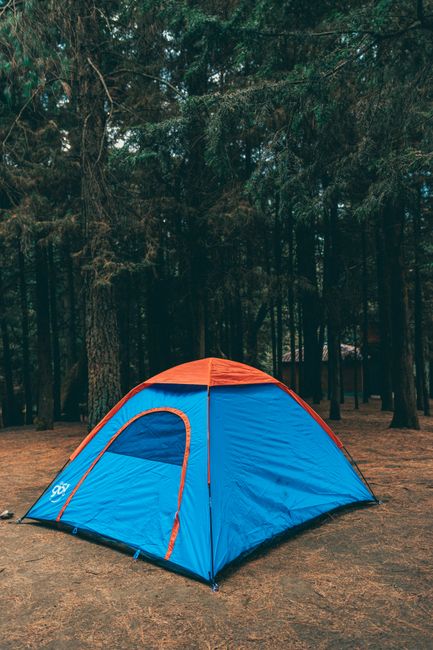
A quiet Vermont state park campground with empty campsites and tall pine trees
Trip SetupCampMate Stories

Vermont State Parks Are Updating Their Campsite Booking System: What Campers Should Know

Vermont State Parks are changing how campsite reservations work. Here is what to expect, how to prepare, and a few smart planning tips to help you book your next Green Mountain getaway with less stress.

6 min read

A smoother way to reserve campsites in Vermont

If Vermont is on your camping shortlist, you may have noticed news that Vermont State Parks are changing their campsite booking system. Updates like this usually aim to make reservations easier to manage, improve reliability during high demand, and modernize how campers search and pay.

The good news is that a little preparation goes a long way. Below are the practical steps to take so you can spend less time refreshing reservation pages and more time planning campfires, hikes, and lake days.

    Quick mindset shift

    Treat any booking-system change like a new trailhead: arrive early, double-check the map, and have a backup route.

    What a booking-system change can mean for campers

    Even when details vary, reservation platform updates tend to affect a few familiar areas: how you create an account, how you search for campsites, and how payments, modifications, or cancellations are handled.

    You might see new filters (like site length for trailers, electric hookups, or pet-friendly loops), updated rules for booking windows, or a refreshed layout that makes it easier to compare sites. During transitions, there can also be short periods where policies or steps look different than last season.

    • Account setup may change (new logins, saved vehicles, or contact info fields).
    • Search and filters may be improved to help you match your gear and group size to the right site.
    • Modification and cancellation flows may be clearer, with updated confirmation emails or receipts.
    • Booking windows and availability displays may look different, even if the rules stay similar.

    Save your essentials

    Keep your preferred campground names, date ranges, and site requirements in a note so you can re-enter them quickly if the interface is new.

    How to prepare before you try to book

    A few small planning moves can make a big difference when demand is high, especially for popular weekends and peak foliage season. The goal is to reduce friction: fewer forgotten passwords, fewer last-minute decisions, and fewer surprises at checkout.

    Start by confirming your must-haves (dates, campground, site type) and your nice-to-haves (waterfront, shade, proximity to restrooms). Then line up a couple of backup options so you are not starting from scratch if your first choice is full.

    • Create or update your reservation account ahead of time and store your login securely.
    • Decide on your top 2 to 3 campgrounds and top 2 date ranges.
    • Know your setup: tent size, trailer length, and whether you need electric hookups.
    • Check park-specific rules for quiet hours, pets, and firewood guidance.
    • Have a backup plan: a different campground, different loop, or different arrival day.

    Make your booking checklist

    Write down: arrival date, departure date, number of campers, vehicle info, and campsite needs. Having it ready speeds up checkout.

    Timing strategies for popular Vermont camping dates

    Vermont’s busiest camping periods often cluster around summer weekends and early fall foliage. When systems change, it is especially helpful to plan for timing and flexibility.

    If you can camp midweek, you will usually find more openings and a quieter campground vibe. If you are aiming for a holiday weekend, book as early as the reservation window allows and keep a shortlist of alternatives.

    • Midweek stays often have better availability and easier check-in days.
    • Arriving on a Sunday or Monday can open up more site choices.
    • Consider shoulder seasons for cooler nights and fewer crowds.
    • Pick two campgrounds within the same region so your trip plan stays simple if you switch.

    Use flexible dates

    If your schedule allows, search a 3 to 5 day range around your ideal weekend. One-day shifts can unlock many more sites.

    How CampMate helps you stay organized while you plan

    Reservation systems can change, but your planning habits can stay steady. CampMate is built to keep your trip details in one place so you are not juggling notes, screenshots, and scattered reminders.

    Use CampMate to track your preferred parks and date options, store a packing checklist that matches your campsite type, and keep a simple plan for meals and activities. When it is time to book, you will have the info you need ready to go.

    • Keep a short list of preferred parks, loops, and site requirements.
    • Build packing lists for tent camping vs. trailer camping.
    • Plan meals and activities so your trip feels dialed in before you arrive.
    • Save backup options for dates and destinations in the same region.

    Plan for the site you want

    If you are hoping for a waterfront or electric site, tailor your packing list to that setup. It helps you book confidently and pack efficiently.

    Continue the journey

    Plan your Vermont camping trip the easy way

    Keep your dates, campground options, packing lists, and backup plans organized in one place so you can book faster and camp sooner.

    Related Articles

    Continue exploring camping tips and packing guides