
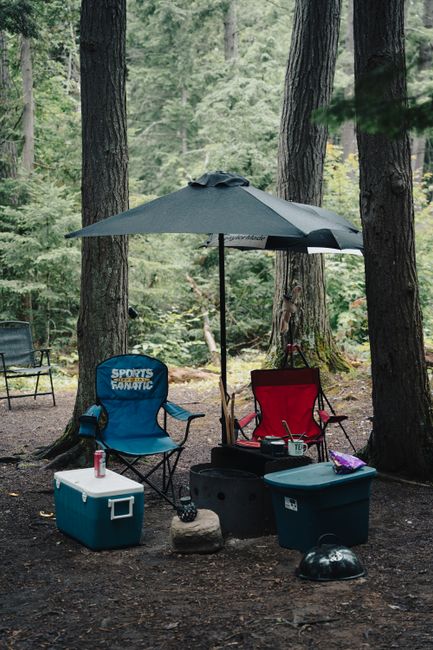
A rugged ultra-light hard cooler on a campsite picnic table with pine trees in the background
Gear & Packing

Updated Cooler Rankings: The Ultra-Light Yeti Competitor That Wins on Value

Cooler rankings shift as new models get lighter, tougher, and easier to pack. Here is how to shop the latest “Yeti-style” coolers, why ultra-light rotomolded options are trending, and what to look for when you want premium performance without the premium price.

6 min read

Cooler rankings change fast, and that is good news for campers

Every season, cooler brands tweak insulation, shave weight, and refine small details that make a big difference at camp. When updated rankings highlight an ultra-light “Yeti competitor” as a top value pick, it usually signals a bigger trend: you no longer have to choose between premium performance and a reasonable price.

If you are planning weekend basecamps, road trips, or car camping with friends, the right cooler can simplify everything from meal prep to beverage storage. Below is a practical guide to what likely drove the updated rankings and how to pick a cooler that fits your style.

    Quick definition

    “Rotomolded” coolers are made with a rotational molding process that creates thick, durable walls and strong insulation, similar to many premium brands.

    Why ultra-light coolers are having a moment

    Traditional rotomolded coolers can feel like hauling a small boulder, especially once you add ice, drinks, and food. Ultra-light models aim to keep the tough, insulated build but reduce overall weight through redesigned shells, smarter foam placement, and lighter hardware.

    For most campers, the benefit is simple: easier loading, easier carrying, and less hassle when you are moving between the car, the picnic table, and the shade.

    • Better portability for solo campers or quick weekend trips
    • More likely to get used often because it is not a chore to move
    • Easier to pack alongside bins, chairs, and a tent without sacrificing space

    Match cooler size to trip length

    For 1 to 2 nights, a smaller hard cooler plus a soft cooler for day use often beats one oversized cooler that you only fill halfway.

    What usually earns a cooler the “best value” label

    A best value pick is not necessarily the cheapest. It is the cooler that delivers the performance most campers want, with fewer trade-offs, at a price that makes sense. In updated rankings, this often means strong ice retention, durable construction, and smart usability features without paying extra for brand prestige.

    If a new contender is being compared to Yeti, it is typically competing on build quality, latch design, insulation, and overall fit and finish.

    • Ice retention that holds up for weekend trips in warm weather
    • Sturdy hinges and latches that do not feel flimsy over time
    • A lid seal that closes cleanly and stays tight
    • Comfortable handles that do not bite into your hands
    • A shape that fits common car trunks and cargo areas

    Ignore extreme ice tests if you do not camp that way

    Many ice retention tests assume you never open the lid. In real life, you will open it often. Prioritize a cooler that is easy to organize so you can grab items quickly and close it again.

    How to choose the right cooler for your camping style

    Instead of chasing the single “best” cooler, start with how you camp. A road trip cooler needs easy access and a footprint that fits your vehicle. A basecamp cooler benefits from capacity and organization. A fishing or lake-day cooler may need better drainage and grippy feet.

    If you are shopping an ultra-light premium competitor, focus on practical features that improve everyday use, not just spec-sheet bragging rights.

    • Capacity: choose based on number of people and nights, not maximum possible volume
    • Weight: consider empty weight plus how far you will carry it
    • Drain: look for a drain that is easy to open and does not leak
    • Interior: a simple basket or divider helps keep food dry and organized
    • Exterior: tie-down points are useful for truck beds and roof racks

    Create a cooler “zones” system

    Pack drinks on one side and food on the other, with frequently grabbed items on top. You will keep cold air in longer and waste less ice.

    Simple habits that boost ice life without extra gear

    Even the best cooler will underperform if it is packed warm or opened constantly. The good news is that small changes can add hours or even a full day of better cooling for typical weekend camping.

    These steps work whether you buy the latest value pick or stick with what you already own.

    • Pre-chill the cooler with a sacrificial bag of ice before packing
    • Use block ice or frozen water bottles to slow melting
    • Keep the cooler in shade and off hot surfaces when possible
    • Pack cold items cold, not room temperature
    • Open with a plan: grab everything at once, then close

    Frozen bottles are a two-for-one

    Freeze a few water bottles at home. They act like clean ice packs and become drinking water as they thaw.

    Continue the journey

    Plan your cooler setup before your next trip

    Use CampMate to build a packing list, plan meals, and estimate how much cooler space and ice you will actually need for your campsite.

    Related Articles

    Continue exploring camping tips and packing guides