
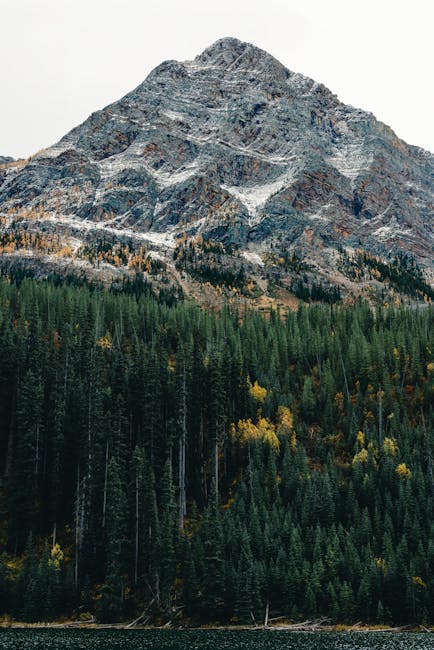
Sunrise over a mountain lake in Glacier National Park with evergreen trees and rugged peaks
Trip Setup

Tips for Getting into Glacier National Park in 2026: Reservations, Timing, and Smooth Entry

Planning a Glacier trip in 2026? Use these practical, low-stress tips to navigate timed entry, pick the best arrival windows, and build a flexible itinerary that helps you spend more time on trails and less time in lines.

7 min read

A smoother way to start your Glacier day

Glacier National Park is one of those places that makes you want to wake up early, chase alpenglow, and linger at trailheads longer than planned. It is also a park where summer popularity can stack up fast, especially around Going-to-the-Sun Road and the most convenient entrances.

For 2026, the best approach is simple: plan ahead, arrive with a backup option, and build a day that works even if your first choice is busy. Below are friendly, practical tips to help you get into the park with less guesswork and more trail time.

    Plan for flexibility

    A flexible itinerary beats a perfect itinerary. Pick one must-do area each day, then add two nearby backups so you can pivot easily if parking or entry is busy.

    Check entry requirements early and set reminders

    Glacier often uses timed entry or corridor-specific access tools during peak season to manage congestion. Details can change year to year, so treat 2026 like a fresh plan even if you have visited before.

    A good routine is to confirm what is required for the dates and areas you want to visit, then set calendar reminders for any release windows. That way you are not scrambling the night before.

    • Confirm which park areas or roads may require timed entry for your dates.
    • Know whether your lodging, shuttle plans, or activities count as qualifying access for certain corridors.
    • Save official links and screenshots of confirmations for quick offline reference.

    Use a simple checklist

    Keep a one-page checklist: park pass, timed entry confirmation if needed, lodging details, and your top two trailhead targets for each day.

    Arrive at the right time for easier entry and parking

    In Glacier, timing is everything. Early mornings tend to be calmer, cooler, and more parking-friendly. Midday is when popular entrances and trailheads can feel the most competitive, especially on clear weekends.

    If you can, plan your biggest hike for early morning, then save scenic drives, short walks, and lakeside picnics for later when trailhead turnover improves.

    • Aim to reach your first stop early, especially for iconic trailheads and viewpoints.
    • If you arrive later, choose a less-crowded area first and return to your top spot in the evening.
    • Build in buffer time for finding parking and enjoying overlooks without rushing.

    Split the day

    Do one main hike early, then switch to short stops and scenic pullouts later. This keeps your day enjoyable even if midday parking is tight.

    Build an itinerary around regions, not a long list of stops

    Glacier is bigger than it looks on a map, and road travel can be slower than expected. The easiest way to reduce stress is to group plans by region, then explore deeply instead of bouncing between distant areas.

    Pick one primary region per day, then add nearby alternatives. This reduces driving time and makes it easier to adapt if a parking lot is full or a section of road is busy.

    • Choose one main region per day and keep most activities within that area.
    • Add two backup trailheads or viewpoints within a short drive.
    • Plan a simple food strategy: pack lunch and snacks so you are not forced to leave a great area at peak hours.

    Create a Plan A, B, and C

    For each day, list one top trail, one shorter nearby hike, and one scenic stop. If your first choice is crowded, you still have a great day.

    Use shuttles and parking strategy to your advantage

    Shuttles and park-and-ride style planning can simplify your day, especially in high-demand corridors. Even if you prefer your own vehicle, it helps to know where shuttle stops and overflow options are so you can adjust on the fly.

    A parking-first mindset also helps: decide your first trailhead, then commit to arriving early enough to park once and stay in the area for a while.

    • If shuttles are operating, consider using them for popular stretches to reduce parking stress.
    • Park once, hike or explore nearby, then move your vehicle during off-peak hours.
    • Keep a short list of alternate trailheads in the same corridor in case your first lot is full.

    Think like a local

    Locals and frequent visitors often pick one area and settle in. You will see more and feel less rushed by staying put for a few hours.

    Make 2026 your easiest Glacier trip yet

    Getting into Glacier National Park in 2026 is all about simple planning: confirm requirements early, arrive at smart times, and build an itinerary that can flex with real-world conditions.

    Do that, and your trip starts with calm mornings, great trail time, and the kind of scenic stops that feel unhurried. Pack snacks, keep backups, and enjoy the views.

      Keep it light

      One great hike plus a few scenic stops beats trying to do everything. Leave space for surprise viewpoints and spontaneous lake breaks.

      Continue the journey

      Plan your Glacier days in minutes

      Use CampMate to map regions, save backup trailheads, and keep your entry details and daily checklists in one place for a smoother 2026 trip.

      Related Articles

      Continue exploring camping tips and packing guides