
CampMate Logo
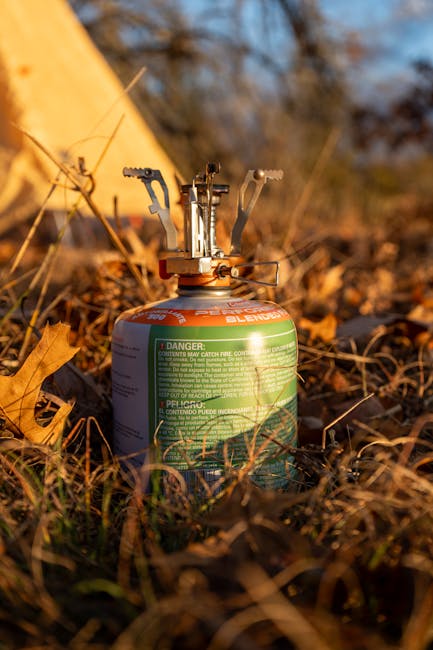
Backpacking stove boiling water on a camp table
Gear & PackingTrip Setup

The Best Backpacking Stoves (and How to Choose the Right One for Your Next Trip)

A great backpacking stove can turn a cold, windy camp into a cozy dinner spot in minutes. Here’s how to pick the right stove style for your trips, plus what top-tested models tend to do best.

7 min read

A hot meal is the fastest way to boost camp morale

When the sun drops, the wind picks up, and everyone’s hungry, your stove becomes the MVP of camp. The best backpacking stoves balance three things that rarely play perfectly together: low weight, reliable performance in real conditions, and the ability to do more than just boil water.

Gear testers at OutdoorGearLab have put dozens of stoves head-to-head over many seasons and named the Soto Windmaster their top overall pick thanks to strong all-around performance, including stability, fast boils, and impressive wind resistance. ([outdoorgearlab.com](https://www.outdoorgearlab.com/topics/camping-and-hiking/best-backpacking-stove))

  • Match the stove to your trip style (boil-only, real cooking, winter, group)
  • Plan your cook kit as a system: stove + pot + fuel + wind strategy
  • Pack for simplicity, then add features only if your meals need them

CampMate tip: pack your stove like a “cook kit module”

In CampMate, create a reusable checklist called “Cook Kit” and group your stove, fuel, lighter, pot, spoon, and cozy together. It’s the easiest way to avoid the classic mistake: bringing a stove but forgetting the fuel.

Backpacking stove styles, explained (so you can buy once)

Most backpacking stoves fall into a few categories, and each shines in a different scenario.

Small canister stoves (typically isobutane) are popular because they’re light, quick to set up, and great for most 3-season trips. Integrated canister systems bundle burner and pot into one efficient unit, which can be awesome when you mostly boil water fast. Liquid fuel stoves are a go-to for cold weather and longer, remote trips where durability and field serviceability matter more than convenience. ([outdoorgearlab.com](https://www.outdoorgearlab.com/topics/camping-and-hiking/best-backpacking-stove))

  • Small canister stoves: lightweight, simple, great for most weekends
  • Integrated canister systems: efficient boil performance, convenient all-in-one feel
  • Liquid fuel stoves: better cold performance and expedition durability, but more setup
  • Ultrabudget micro stoves: very light and cheap, but can sacrifice stability and longevity

Choose based on your meals

If you mostly eat freeze-dried meals and oatmeal, prioritize boil time and efficiency. If you like real cooking (sauté, simmer, sauces), prioritize flame control and pot stability.

What “best” looks like in the real world (wind, simmering, stability)

A stove can look perfect on paper, then fall apart when it’s breezy and you’re trying to keep a pot from wobbling off a tiny burner. Testing outlets like OutdoorGearLab score stoves on things that matter on trail: fuel efficiency, weight, simmering ability, ease of use, and wind resistance. ([outdoorgearlab.com](https://www.outdoorgearlab.com/topics/camping-and-hiking/best-backpacking-stove))

In their latest update (October 29, 2025), OutdoorGearLab named the Soto Windmaster the best overall backpacking stove, noting its stability, quick boil performance, and strong wind resistance. They also call out the Jetboil MiniMo as a versatile integrated system that can actually cook beyond boil-only meals, and the Jetboil Stash for lightweight fuel efficiency. ([outdoorgearlab.com](https://www.outdoorgearlab.com/topics/camping-and-hiking/best-backpacking-stove))

  • Wind resistance matters more than you think, even below treeline
  • Simmer control is the difference between “cooked dinner” and “burnt dinner”
  • Wide, stable pot supports help with real cooking and larger pots
  • Integrated systems are convenient, but can cost you flexibility and weight

Don’t ignore stability

If you camp with kids, pets, or a crowded cook area, choose a setup that’s hard to tip. A stable stove and a level cooking spot reduce spills and burned meals.

How to pack your stove setup (and avoid common fuel mistakes)

Your stove choice is only half the story. The other half is packing it in a way that’s easy to use when you’re tired, cold, or cooking in fading light.

OutdoorGearLab notes that some stoves require separate purchases (like a pot), while integrated systems include key pieces like the burner and pot in one kit. Either way, you’ll want to confirm your full system before you leave: ignition, fuel compatibility, and cookware fit. ([outdoorgearlab.com](https://www.outdoorgearlab.com/topics/camping-and-hiking/best-backpacking-stove))

  • Bring two ignition sources: a lighter plus a backup (or waterproof matches)
  • Check your fuel type and connector compatibility before trip day
  • Store your stove, lighter, and small repair items together
  • If you’ll see wind, plan a sheltered cooking spot (not inside your tent)

CampMate tip: add a “fuel check” reminder

Add a checklist item that forces a quick decision: “Fuel canister (full enough?)” and “Backup lighter.” It’s a small prompt that prevents the most common stove failure: user error.

Picking the right stove is really about picking the right experience

If you want the simplest, most versatile setup for most 3-season trips, a quality canister stove is hard to beat. If your trip plan is all about quick boils and minimal fuss, an integrated system can feel incredibly efficient. And if you’re heading into true cold or remote conditions, liquid fuel stoves can earn their weight with reliability and performance.

No matter what you choose, think like a planner: decide your meals first, then build a stove and cook kit that supports them.

  • Boil-only trips: prioritize efficiency and speed
  • Real cooking: prioritize simmer control and pot stability
  • Windy routes: prioritize burner design and sheltered cooking routines
  • Group trips: think bigger pot support and easier fueling logistics

One last gear rule

The best stove is the one you’ll actually use correctly every time. Choose reliability and simplicity first, then optimize for weight.

Continue the journey

Make packing for camp as easy as making coffee

Build a repeatable camping checklist in CampMate, then tailor it to each trip based on weather, group size, and your meal plan. Your stove setup will be dialed before you hit the trailhead.

Related Articles

Continue exploring camping tips and packing guides