
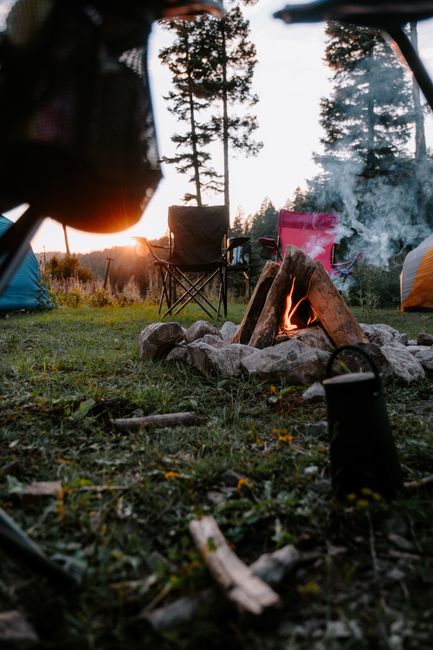
Sunrise over a quiet state park campground with empty campsites and pine trees
Trip SetupCampMate Stories

What New State Park Fee and Reservation Updates Could Mean for Your Next Camping Trip

State park commissions regularly review camping rates, reservation rules, grants, and construction plans. Here is what those updates typically change and how to plan a smoother, more affordable stay.

6 min read

A quick look at why state park updates matter

State parks are always evolving, and many of the biggest changes start with routine commission meetings. When a commission approves new camping rates, tweaks reservation rules, awards grants, or green-lights construction projects, it can shape everything from how far in advance you should book to what amenities you can expect at the campground.

The good news is that these updates are usually aimed at keeping parks well maintained, improving access, and funding the kind of upgrades campers actually notice, like better restrooms, smoother roads, and refreshed campsites.

    Plan with flexibility

    If you are booking for peak season, consider choosing a refundable option or a backup date. Rule updates and construction schedules can shift availability week to week.

    Camping rate changes: what to expect and how to budget

    When camping fees are adjusted, it is typically to keep up with maintenance costs, utilities, staffing, and long-term improvements. Sometimes the changes are small across the board, and other times they vary by campsite type, like full-hookup RV sites versus tent-only loops.

    If you are trying to keep costs predictable, focus on the factors that most often influence price: hookups, waterfront or premium locations, group sites, and high-demand weekends.

    • Compare tent sites, standard RV sites, and full-hookup sites before booking
    • Look for midweek stays, shoulder season dates, and longer-stay discounts when available
    • Budget a little extra for add-ons like extra vehicles, day-use fees, or firewood

    Use a simple trip budget

    Before you book, tally campsite fees, entry or day-use fees, and fuel. That quick total helps you decide whether a premium site is worth it or if a standard loop keeps the trip comfortably priced.

    Reservation rule updates: booking windows, holds, and fairness

    Reservation rules are often updated to balance access and reduce frustration. Common adjustments include changes to booking windows, limits on consecutive nights, deposit and cancellation policies, and how no-shows are handled.

    For campers, the practical takeaway is to read the fine print before you click confirm, especially around cancellation deadlines and check-in times. A small policy change can make a big difference if your plans shift.

    • Set reminders for opening day of your preferred booking window
    • Double-check cancellation and refund timelines before reserving
    • If you may arrive late, confirm late check-in rules and gate hours

    Create a booking checklist

    Keep a short list: booking window date, cancellation deadline, check-in time, and quiet hours. It saves time and prevents surprises when policies change.

    Grant proposals: how funding can improve your camping experience

    Outdoor recreation grants can help parks tackle projects that might otherwise take years to fund. These can include accessibility upgrades, trail work, campground modernization, and resource protection measures that keep natural areas healthy and enjoyable.

    Even if you do not notice grant funding directly, it often shows up in the small quality-of-life improvements that make a campground feel easier to use and better cared for.

    • Improved restrooms, water systems, and campground utilities
    • Trail repairs, signage updates, and habitat-friendly landscaping
    • Accessibility enhancements like firmer paths and clearer site layouts

    Watch for new amenities

    If a park announces grant-funded upgrades, check the campground map again before your next stay. Site layouts, loop designations, and amenities can change after renovations.

    Construction and maintenance projects: planning around upgrades

    Construction projects can temporarily affect campground availability, but they are usually a sign of good things ahead. Projects might include road repairs, campground loop updates, new electrical pedestals, or refreshed day-use areas.

    To keep your trip relaxed, look for notices about closures, reduced services, or rerouted access. Many parks post updates on their reservation pages or at the park office.

    • Check for temporary closures or limited services before you arrive
    • Choose a quieter loop or a different park area if work is scheduled nearby
    • Pack a few self-sufficient extras in case water spigots or restrooms are being updated

    Call ahead for the latest

    A quick call to the park office can confirm which loops are open, where the quietest sites are, and whether any amenities are temporarily offline.

    Bring the updates into your trip planning

    Commission decisions on rates, reservation rules, grants, and construction are part of how state parks stay welcoming and well maintained. With a little planning, you can avoid surprises and even take advantage of improvements like upgraded campsites or better trails.

    Keep an eye on policy notes during booking, check for project updates before you go, and stay flexible with dates if you are aiming for the most popular weekends. Your future self, sitting by the campfire with fewer logistics to manage, will thank you.

      Save your favorite parks

      Track a short list of go-to parks and note their booking windows and peak seasons. It makes it easier to pivot if fees change or construction affects availability.

      Continue the journey

      Plan your next state park stay with less guesswork

      Use CampMate to organize trip details, track reservation dates, and keep campground notes in one place.

      Related Articles

      Continue exploring camping tips and packing guides