CampMate Logo
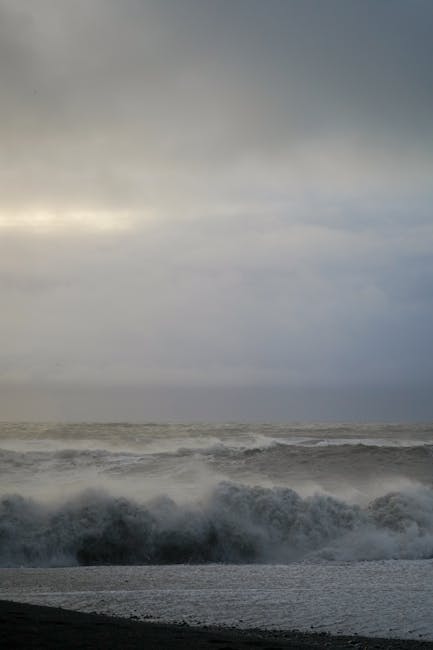
Rain clouds and rough ocean surf near a coastal campground
Weather ReadyTrip Setup

Severe Weather Closes Camping Areas on Maui, Molokaʻi, and Oʻahu: What Campers Should Do Next

Severe storms have prompted Hawaiʻi officials to close camping areas on Maui, Molokaʻi, and Oʻahu until further notice. Here’s how to adjust your plans, protect your gear, and stay safe while you wait for conditions to improve.

6 min read

A quick heads-up for Hawaiʻi campers

If you had a tent in the trunk and a permit in your inbox, you may need to hit pause. State officials have closed all camping areas on Maui, Molokaʻi, and Oʻahu as powerful storms move through the islands.

Closures like these are not just about discomfort, they’re about keeping campers (and first responders) out of high-risk situations like flash flooding, falling trees, and dangerous surf. Below is what’s closed, what it means for your reservations, and how to re-pack for a safer Plan B.

    CampMate tip: Save a “Storm Pivot” packing list

    Create a reusable list for last-minute changes: rain layers, waterproof storage, extra batteries, offline maps, and an emergency kit. When conditions flip, you can switch lists instead of starting over.

    What’s closed (and when it started)

    According to the Hawaiʻi Department of Land and Natural Resources (DLNR), all camping areas on Oʻahu, Maui, and Molokaʻi are closed beginning 1 a.m. Wednesday, March 11, 2026, until further notice.

    The Maui Now report lists several impacted locations, including Polipoli Spring State Recreation Area and Waiʻānapanapa State Park on Maui; Pālāʻau State Park on Molokaʻi; and multiple Oʻahu camping areas, including Ahupuaʻa ʻO Kahana State Park, Mālaekahana State Recreation Area, Keaīwa Heiau State Recreation Area, and Sand Island State Recreation Area.

    • Start time: 1 a.m. (HST) on Wednesday, March 11, 2026
    • Status: Closed until further notice
    • Reason: Powerful storm system and expected severe impacts

    Don’t assume “a break in the rain” means it’s safe

    Storm hazards can linger after the clouds clear: saturated ground, rising streams, rockfall, downed branches, and continuing high surf. Wait for official reopenings before heading out.

    Why officials close campgrounds during major storms

    Camping during severe weather can quickly turn from adventurous to dangerous. DLNR and weather officials warn against spending time in forested and coastal areas during storm conditions due to risks like flash flooding, falling trees, and storm surge or high surf.

    Another key point: rescues and emergency response can be delayed when roads flood or winds make travel unsafe. That’s one reason closures are often broad and immediate, even if your exact campsite looks calm from the forecast map.

    • Avoid forested areas: wind plus saturated soil increases tree-fall risk
    • Avoid coastal areas: storm surge and large surf can sweep across access roads and shorelines
    • Expect delays: emergency response may be slower during severe weather events

    Pack like you might be self-reliant longer than planned

    If you’re traveling near storm impacts (even if you’re not camping), bring water, shelf-stable food, headlamps, power banks, and a basic first-aid kit in your vehicle.

    What to do about permits, cabin stays, and refunds

    If you have reservations, check your email and official channels. DLNR notes that people with lodging (cabin) reservations may be contacted by State Parks district offices to discuss options, which could include a continued stay depending on conditions and facility status.

    For campers missing nights due to storm closures, DLNR states that refunds will be credited to the account for missed camping nights. Keep confirmation emails and screenshots of your booking details in case you need to reference dates or site names later.

    • Watch for direct outreach if you have cabin lodging reservations
    • Missed camping nights due to closures are eligible for credited refunds (per DLNR)
    • Save documentation: confirmation numbers, dates, and site names

    CampMate tip: Store reservation details offline

    Add your permit PDFs, confirmation numbers, and emergency contacts to an offline note. If cell service drops, you still have the info you need.

    How to pivot your trip: safer Plan B ideas and packing adjustments

    A closed campground doesn’t have to mean a ruined trip, but it should mean a safer trip. Consider swapping to lower-risk activities once local officials say travel is safe, like scenic drives away from flood-prone roads, indoor attractions, or rescheduling your camping nights for a clearer weather window.

    If you’re adjusting plans, also adjust your packing. Wet, windy weather is hard on tents, tarps, and morale. Bring the right layers, keep critical gear dry, and avoid packing items that encourage risky choices, like attempting river crossings or coastal cliff hikes during surf advisories.

    • Swap camping nights for later dates when sites officially reopen
    • Prioritize waterproofing: dry bags or contractor bags inside backpacks
    • Bring warm layers: wind and rain can chill fast, even in Hawaiʻi
    • Charge up: power banks, spare batteries, and a headlamp per person
    • Build a “car kit”: snacks, water, blanket, and first-aid for travel delays

    A simple rule: if you’re asking “is this sketchy?” it probably is

    During severe weather, choose conservative routes and activities. The goal is to come home with great memories, not a near-miss story.

    Bottom line

    Camping areas on Maui, Molokaʻi, and Oʻahu have been closed due to severe weather, effective 1 a.m. (HST) Wednesday, March 11, 2026, and the closure remains in place until further notice. If you have upcoming camping plans, follow official updates, expect changing conditions, and use this moment to tighten up your weather-ready packing system.

    When the islands reopen trails and campgrounds, you’ll be glad you took the time to re-plan and re-pack the smart way.

      Where to check updates

      Use official sources for the latest: Hawaiʻi State Parks updates, Hawaiʻi Emergency Management Agency guidance, and the National Weather Service Honolulu forecast page.

      Continue the journey

      Make weather pivots easy with CampMate

      Build flexible packing lists for sunny weekends, stormy forecasts, and last-minute campground changes. CampMate helps you stay organized so you can focus on the fun and make the safe call when weather turns.

      Related Articles

      Continue exploring camping tips and packing guides