
CampMate Logo
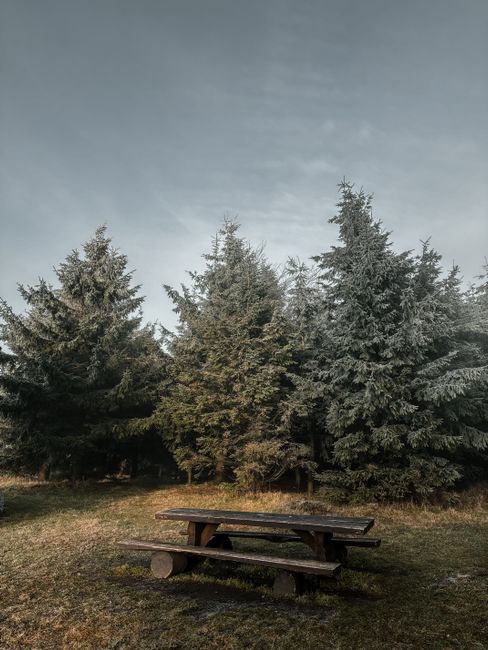
Sunlit national park trail with pine trees, a ranger station in the distance, and a Junior Ranger booklet on a wooden picnic table
Trip SetupCampMate Stories

A Parent’s Guide to the National Park Junior Ranger Program

Turn a park visit into a fun, low-pressure learning adventure. This guide walks you through how the Junior Ranger Program works, what to bring, and simple ways to help kids stay engaged while exploring trails, visitor centers, and scenic viewpoints.

6 min read

A simple way to make any park day feel special

The National Park Junior Ranger Program is one of the easiest ways to add a little structure and a lot of excitement to a park visit. Kids complete a set of activities, learn about the place they are exploring, and often earn a Junior Ranger badge or patch at the end.

For parents, it is a win-win: the program is usually free or low-cost, it works for a wide range of ages, and it naturally encourages curiosity about wildlife, history, and caring for public lands.

    CampMate tip

    Add “Junior Ranger stop” as a must-do in your trip plan so you remember to swing by the visitor center early, before booklets run out or hours get busy.

    How the Junior Ranger Program works (and what to expect)

    Most national parks, and many state parks and monuments, offer a Junior Ranger booklet. The booklet includes activities like scavenger hunts, observation prompts, short questions about exhibits, and simple stewardship tasks like spotting Leave No Trace reminders.

    After your child completes the required pages, they typically bring the booklet back to a ranger or staff member. Many sites do a quick Junior Ranger pledge, then hand out a badge, patch, or certificate.

    • Pick up a Junior Ranger booklet at the visitor center, museum, or park store (some parks also offer printable versions online).
    • Ask how many activities are required for your child’s age group, since requirements can vary by park.
    • Complete activities during your visit, then return the booklet for the pledge and award.

    Quick question to ask at the desk

    “What is the easiest way to finish this today?” Rangers can point you to the best exhibits, short trails, or viewpoints that match the booklet.

    Best time to start: begin at the visitor center

    Starting at the visitor center sets the tone for the day. It helps kids connect what they see outside to maps, models, exhibits, and ranger recommendations.

    If you arrive later, check the visitor center hours first. Some parks have limited hours in shoulder seasons, and the Junior Ranger table may close before the trails do.

    • Arrive early if you can, especially on weekends and holidays.
    • Ask about ranger talks or guided walks that count toward activities.
    • Check if there are multiple stations where you can turn in the booklet (useful in larger parks).

    Make it feel like a mission

    Let your child be the “navigator” for the first stop. Give them the park map and ask them to find the visitor center, a short trail, and one scenic viewpoint.

    What to pack for a smooth Junior Ranger day

    You do not need special gear, but a few small items can make the experience easier. Think comfort, quick access, and a way to keep the booklet in good shape.

    Many activities involve writing, observing, and moving between short stops, so it helps to keep supplies handy rather than buried in a backpack.

    • Pencil or pen (bring a spare).
    • Small clipboard or firm notebook backing for writing on the go.
    • A zip bag to protect the booklet from drizzle or spilled snacks.
    • Water and easy snacks for quick breaks between activities.
    • Layers for changing conditions near water, forests, or higher elevations.

    Low-stress pacing

    Plan one activity cluster, then one fun stop like a short boardwalk, overlook, or picnic. Alternating keeps energy steady and makes the booklet feel like part of the adventure.

    How to keep kids engaged without turning it into homework

    The Junior Ranger Program works best when it stays playful. Let the booklet guide your day, but do not worry about perfection. If an activity feels too long, switch to an easier one and come back later.

    Use the park itself as the reward: a short, scenic walk after a few pages, a picnic spot after an exhibit, or a “choose the next stop” moment after finishing a section.

    • Offer choices: “Do you want to do the wildlife page or the history page next?”
    • Turn observation prompts into mini-games like “find three different leaf shapes.”
    • Celebrate small milestones: finishing a section, spotting a landmark, or learning a new park rule.

    Badge moment

    If the park offers a pledge, encourage your child to ask the ranger one question. It makes the award feel more personal and builds confidence for future visits.

    A small badge that builds big park memories

    The Junior Ranger Program adds a little structure, a little learning, and a lot of pride to a day outdoors. It is a simple way to help kids notice more, ask better questions, and feel connected to the places you explore together.

    Next time you plan a park trip, put the visitor center on your first-stop list, pack a pencil, and let the booklet turn your hike, exhibits, and viewpoints into an easygoing adventure.

      Plan your next one

      Make a “Junior Ranger wish list” of nearby parks to visit next. Collecting badges can become a fun tradition that keeps your family exploring.

      Continue the journey

      Plan your next Junior Ranger adventure with CampMate

      Build a simple itinerary with visitor center hours, short trails, picnic stops, and reminders so your Junior Ranger day stays easy and fun.

      Related Articles

      Continue exploring camping tips and packing guides