
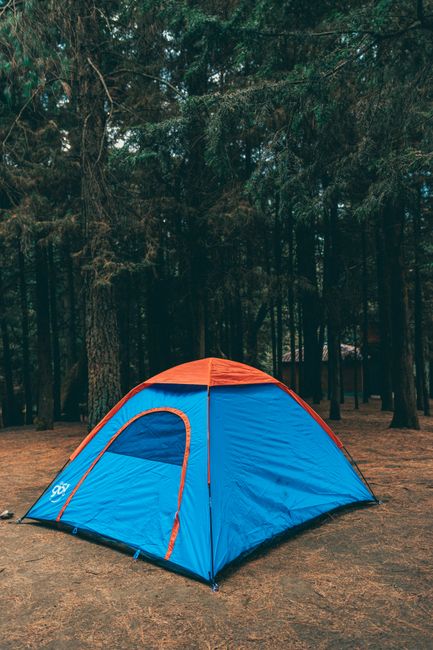
Sunrise over a quiet Oregon state park campground with tents, tall pines, and a nearby lake
Trip SetupCampMate Stories

Oregon State Parks Camping Rule Changes: What Campers Should Know (and How to Plan Ahead)

Oregon State Parks is considering updates to camping rules to help manage costs and operations. Here is what could change, what it may mean for your next trip, and simple ways to stay flexible while booking campgrounds in Oregon.

6 min read

A heads-up for Oregon campers

If you love camping in Oregon State Parks, you may see some rule updates aimed at reducing operating costs and making campground management smoother. These kinds of changes usually focus on the logistics of reservations, payments, and how sites are used, not on taking away the fun parts of camping.

Because details can evolve, the best move is to plan with a little extra flexibility. A few small habits can help you avoid surprises and still land a great site.

    Plan for flexibility

    When policies shift, flexibility wins. Keep a backup campground or alternate dates in mind, especially for summer weekends.

    Why parks adjust camping rules in the first place

    Running campgrounds is a big operation: staffing, maintenance, restroom and shower upkeep, reservation systems, and seasonal demand swings. When budgets tighten, park systems often look for ways to reduce administrative workload and recover costs more reliably.

    Rule updates can also be about fairness and efficiency, like reducing no-shows, encouraging timely cancellations, or aligning fees with the services offered at different camp loops.

    • Lower administrative overhead and fewer manual exceptions
    • More predictable revenue to support campground maintenance
    • Better site availability by discouraging last-minute no-shows

    Expect operational tweaks

    Most policy changes show up as clearer reservation rules, updated fee structures, or adjusted timelines for check-in, check-out, and cancellations.

    Common camping rule updates you might notice

    While each park system is different, cost-saving updates often look similar from one state to another. If Oregon State Parks adjusts camping rules, you may see changes that influence how and when you reserve, modify, or hold a campsite.

    These updates are usually designed to simplify the system and reduce edge cases that create extra work for staff.

    • Reservation and cancellation windows that are more strict or more clearly defined
    • Fee adjustments that better match high-demand seasons or premium sites
    • Limits on how long a site can be held without arrival, or tighter rules around late check-ins
    • Updated policies for changing dates, transferring reservations, or shortening stays

    Read the fine print before you click “Book”

    Before confirming a reservation, scan the cancellation terms and check-in rules. A 30-second review can save a lot of hassle later.

    How to plan smarter for Oregon campgrounds right now

    Even if you do not know the final shape of any rule changes, you can plan in a way that stays resilient. The goal is simple: reduce the chance of losing a site, paying unexpected fees, or scrambling for alternatives.

    A few practical steps can make Oregon campground reservations feel much easier, especially during peak season.

    • Book earlier for popular coastal and waterfall corridor parks, then reassess as your dates firm up
    • Choose midweek arrivals when possible for better availability and calmer camp loops
    • Keep one nearby backup campground in mind in case your first choice fills
    • Set a reminder for key deadlines like cancellation cutoffs and final arrival times

    Build a simple Plan A and Plan B

    Pick two parks within 30 to 60 minutes of each other. If one is full or policies change, you still have a solid trip without a full reroute.

    How CampMate can keep your trip on track

    When rules and demand are shifting, organization is your best trail buddy. CampMate helps you keep trip details in one place so you can adapt quickly if you need to adjust dates, swap campgrounds, or coordinate with your group.

    Use it to track your reservation info, build a packing list for the season, and keep notes on which parks, loops, and site types worked best for you.

    • Store campground details, confirmation numbers, and trip notes
    • Create reusable packing lists for Oregon’s changing conditions
    • Keep a shortlist of favorite parks and backup options

    Save your “best sites” notes

    After each trip, jot down what you liked: shade, wind protection, distance to restrooms, and how level the pad was. It makes future bookings much faster.

    Stay flexible, keep it fun

    Rule changes can feel inconvenient at first, but they are often aimed at keeping parks running smoothly and protecting the camping experience long-term. With a little flexibility, clear reminders for deadlines, and a backup plan, you can still enjoy Oregon’s classic campground mornings and campfire evenings.

    If you are planning a trip soon, keep an eye on updated campground policies, book early for high-demand weekends, and let your planning tools do the heavy lifting.

      A simple mindset shift

      Think of policies as part of the trail conditions. You check the forecast, you check the rules, and you go enjoy the outdoors.

      Continue the journey

      Plan your next Oregon campground trip with CampMate

      Keep reservations, packing lists, and backup options organized so you can adapt quickly and spend more time outside.

      Related Articles

      Continue exploring camping tips and packing guides