
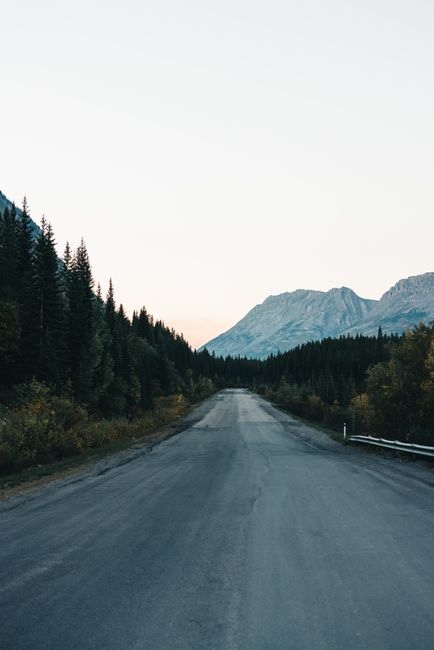
Sunrise over a scenic national park road with mountains and pine trees
Trip Setup

National Park Vehicle Reservations in 2026: What to Know Before You Go

More national parks are using timed-entry and vehicle reservation systems to manage busy seasons. Here is how 2026 reservations typically work, how to plan your route, and how to keep your trip flexible.

6 min read

A smoother park day starts before you reach the gate

If you are dreaming up a 2026 national park road trip, there is one planning detail that can make everything feel easier: vehicle reservations, also called timed entry in many parks.

The National Park Service continues to use reservation systems in some of the most popular parks during peak seasons to reduce congestion and improve the visitor experience. The good news is that once you know the basics, the process is straightforward and can actually help you build a calmer itinerary.

    Camp-ready mindset

    Think of timed entry like a trailhead start time. It is not a limitation, it is a tool for a more relaxed day.

    What vehicle reservations and timed entry usually mean

    A vehicle reservation typically grants entry to a specific park area or road corridor during a set time window. In many cases, you still need a park entrance pass or fee in addition to the reservation.

    Details vary by park, but most systems share a few common patterns: entry windows, limited daily capacity, and seasonal operation during the busiest months.

    • Reservation is often tied to a specific date and entry time window
    • Some parks apply it to popular roads or zones, not the entire park
    • A reservation does not always replace entrance fees or passes
    • Rules can change year to year, so confirm on the official park site before you go

    Quick double-check

    Before booking anything else, confirm whether your target park uses timed entry in 2026 and which areas it covers.

    When to book and how releases often work

    Reservation inventory is usually released in batches. Many parks open a large block well in advance and hold back a smaller number of spots for last-minute planners.

    Because release schedules can differ, the best approach is to identify your top park days early, then set reminders for the release dates and times.

    • Start watching reservation pages several months before your trip window
    • Set calendar alerts for release days and times
    • Have a few date or time alternatives ready
    • Book campsites and timed entry with the same flexibility in mind

    Plan A, B, and C

    Pick one ideal entry time, one early option, and one later option. Flexibility is the easiest way to win busy-season planning.

    Smart strategies for a flexible 2026 itinerary

    Timed entry does not have to lock you into a rigid schedule. With a few simple tactics, you can keep your trip feeling spontaneous while still meeting reservation requirements.

    Focus on building days around a single anchor, your entry window, and keep everything else modular: viewpoints, short hikes, picnic stops, and scenic drives.

    • Arrive early to allow for parking, shuttles, and short stops near the entrance
    • Use less-crowded trailheads or picnic areas during mid-day
    • Plan one or two must-do stops, then keep the rest optional
    • Consider sunrise or late-afternoon light for calmer scenic drives where allowed
    • Keep offline maps and screenshots of confirmations in case of spotty service

    Make it modular

    Create a short list of 30 to 90 minute activities you can swap in and out depending on weather, parking, and energy levels.

    If reservations sell out: backup options that still feel like a win

    If you cannot get a reservation for your first-choice day, you still have plenty of ways to enjoy the trip. Many parks have nearby public lands, scenic byways, and smaller park units that deliver big views with fewer logistics.

    Also watch for last-minute releases or cancellations, and consider shifting your park day earlier in the week if your schedule allows.

    • Check for next-day or last-minute reservation releases
    • Swap the order of your trip and try a different day
    • Explore nearby national forests, state parks, or scenic drives
    • Visit less popular entrances or areas if the park structure allows
    • Build a buffer day so you can pivot without stress

    Keep a backup adventure list

    Save two nearby alternatives per park day. It turns a sold-out reservation into an easy reroute, not a trip derailment.

    A little planning buys a lot more trail time

    Vehicle reservations in 2026 are all about protecting the park experience during peak demand. With a few reminders, flexible timing, and a backup plan, you can spend less time thinking about logistics and more time enjoying fresh air, scenic roads, and quiet moments outside.

    As you finalize dates, always confirm the latest details on the official National Park Service pages for your destination, then build your itinerary around your entry window and let the rest of the day unfold naturally.

      Final pre-trip check

      One week before departure, re-check your park's reservation rules, hours, and any seasonal access notes.

      Continue the journey

      Plan your 2026 park days the easy way

      Organize reservation windows, campsite nights, and day-by-day routes in one place so your trip stays flexible and fun.

      Related Articles

      Continue exploring camping tips and packing guides