
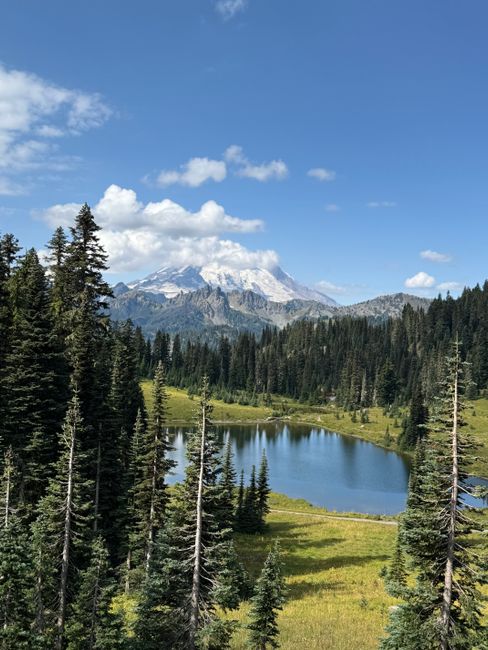
Mount Rainier reflected in an alpine lake with evergreen forest and clear sky
Trip SetupCampMate Stories

Mount Rainier National Park Ditches Timed Entry Reservations: What Campers and Day-Trippers Should Know

Planning a Rainier trip just got simpler. Here is what it means that Mount Rainier National Park is moving away from timed entry reservations, plus easy ways to plan for crowds, parking, and the best trailhead timing.

6 min read

A simpler way to enter Rainier, with a few planning tweaks

If you have ever tried to match a trailhead start time to a reservation window, you know how quickly “easy day hike” can turn into “spreadsheet vacation.” With Mount Rainier National Park moving away from timed entry reservations, many trips will feel more flexible again.

That said, fewer reservation steps does not automatically mean fewer people. Rainier is still one of the most popular outdoor destinations in Washington, especially on sunny summer weekends. The good news: a little timing strategy goes a long way.

    CampMate quick plan

    Build two versions of your day: a primary plan (your top trailhead) and a backup plan (a second area or shorter hike). If parking is full, you can pivot without losing the day.

    What it means when timed entry goes away

    Without timed entry reservations, you typically do not need to secure an entry slot in advance just to drive into the park during peak hours. That can make spontaneous trips easier and reduce the stress of arriving “on the clock.”

    You should still expect normal park entry requirements to apply, like paying the entrance fee (or using an annual pass) and following any seasonal road or area access updates.

    • More flexibility for last-minute day trips
    • Less pre-trip admin for groups with mixed schedules
    • Crowd management shifts more toward parking and peak-hour congestion

    Double-check the basics

    Before you leave, confirm current road status and area access (Paradise, Sunrise, etc.). A quick check can save you a long detour.

    Crowds do not disappear, so plan around parking

    Timed entry systems often spread arrivals across the day. Without them, popular areas can see heavier surges at classic arrival times, especially mid-morning. At Rainier, the practical bottleneck is usually parking, not the gate.

    If your goal is a smooth start, aim to arrive early or later in the afternoon. Early starts also tend to deliver calmer trails, cooler temperatures, and better photo light.

    • Best bet: arrive early morning for easier parking and quieter trails
    • Alternative: late afternoon for a more relaxed vibe, especially for short hikes
    • Have a backup trailhead in mind if lots fill up

    A simple arrival rule

    If you are visiting on a weekend in peak season, treat “early” as a real strategy, not a suggestion. Leaving town earlier is often the difference between hiking and circling for parking.

    Flexible itinerary ideas for a reservation-free visit

    The nicest part of dropping timed entry is being able to shape your day around weather and energy levels. Instead of planning around a time slot, plan around conditions and your group’s pace.

    Try building a day with one “anchor” activity and a couple of optional add-ons. That way, if the main area is busy, you can still string together a great day without feeling like you missed your one shot.

    • Anchor: one main hike or scenic area you most want to see
    • Add-on: a short nature walk or viewpoint stop
    • Food plan: pack lunch and snacks so you are not dependent on peak-hour lines

    Keep it modular

    Choose hikes that can be shortened or extended. A loop or out-and-back with clear turnaround points makes it easy to adapt to crowds and time.

    Camping and day-use: set expectations and stay nimble

    Timed entry changes mainly affect day-use access, but camping plans still benefit from early booking and a solid backup. If you are camping nearby, you can often beat day-trip traffic by starting your hike earlier.

    For day users, packing smart helps you stay comfortable if you decide to wait out peak congestion with a picnic, a short stroll, or a scenic stop in a quieter area.

    • If camping: plan an early trailhead start for the best experience
    • If day-tripping: pack layers, water, and a picnic to stay flexible
    • Consider shoulder days (weekday visits) when possible

    Make the most of off-peak hours

    If midday is busy, use that time for a scenic drive, a meadow walk, or a relaxed lunch, then hike later when crowds thin.

    More freedom, same mountain magic

    Dropping timed entry reservations can make Rainier feel more approachable, especially for spontaneous trips and mixed-schedule groups. The tradeoff is that parking and peak-hour congestion matter even more, so timing and backup options are your best friends.

    With a flexible plan, a couple of alternate trailheads, and an early start, you can spend less time coordinating and more time enjoying big views, mountain air, and that classic Rainier wow-factor.

      One last checklist item

      Save your backup plan offline before you go. Cell service can be spotty, and having options ready keeps the day smooth.

      Continue the journey

      Plan your Rainier day in minutes

      Use CampMate to map a flexible itinerary, track your must-see stops, and keep a backup plan ready for busy days.

      Related Articles

      Continue exploring camping tips and packing guides