
CampMate Logo
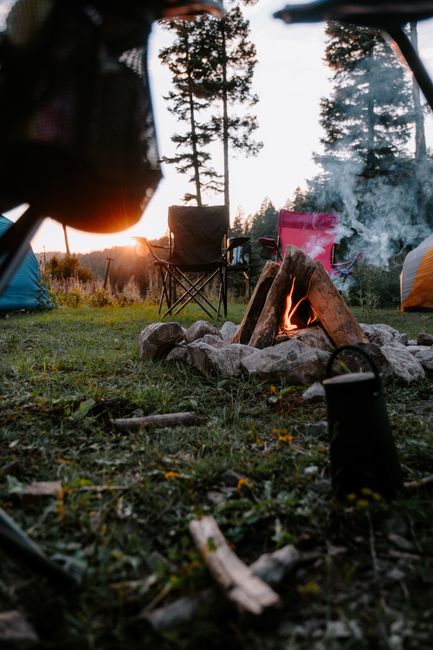
Blue Ridge foothills campground near Lynchburg Virginia with tents, tall trees, and a quiet campfire ring at sunset
Trip SetupCampMate Stories

Lynchburg, VA Area Campground Guide 2026: Where to Camp, What to Expect, and How to Plan

Planning a camping trip near Lynchburg in 2026? Use this friendly guide to compare campground styles, pick the right location for your vibe, and build a simple plan for a smooth weekend outdoors.

6 min read

A fresh 2026 camping game plan for the Lynchburg area

Lynchburg sits in a sweet spot for camping: close to the Blue Ridge, surrounded by rivers and forests, and within easy reach of state parks, national forest campgrounds, and private RV parks. Whether you want a simple tent pad under the trees or a full hook-up site with quick access to town, you have options.

This guide focuses on how to choose the right campground style, what to look for when you book, and a few practical tips that make a weekend outside feel easy.

  • Best for quiet nature time: national forest and more rustic sites
  • Best for amenities: private campgrounds and RV parks
  • Best for scenic trails and facilities: state parks near the Blue Ridge

Quick decision shortcut

If you want reliable bathrooms and clear rules, start with state parks. If you want fewer neighbors and darker skies, look for national forest campgrounds.

Pick your base: mountains, water, or close-to-town convenience

Before you compare individual campgrounds, choose the kind of setting that fits your trip. Around Lynchburg, most camping falls into three vibes: mountain trail access, water-focused relaxation, or convenient overnights near town.

Mountain bases are great for sunrise hikes and cooler evenings. Water-adjacent campgrounds are ideal for paddling, fishing, and easy afternoons at camp. If you are mixing camping with city stops, a close-to-town campground keeps drive time short.

  • Mountain access: prioritize trailheads, elevation, and wind exposure
  • Water access: check boat launches, swimming rules, and shoreline conditions
  • Near-town: look for quiet hours, site spacing, and road noise notes

Map it in minutes

Drop your must-do spot into a map first, then search campgrounds within a 30 to 45 minute radius. It keeps your trip from turning into a driving tour.

Know the campground types and what you actually get

Not all campgrounds are built the same, and the labels can be misleading. A little clarity up front helps you avoid surprises, like a tent site with no shade or an RV loop that feels busier than expected.

Use the categories below to match your comfort level, budget, and preferred campsite feel.

  • State parks: structured sites, good facilities, popular weekends, solid trail access
  • National forest campgrounds: simpler amenities, more natural spacing, great stargazing potential
  • Private campgrounds and RV parks: most amenities, flexible arrivals, often best for groups and mixed rigs
  • Primitive and dispersed options (where allowed): maximum quiet, minimum services, requires strong Leave No Trace habits

Site details that matter most

Look for pad length (if RVing), shade notes, distance to bathrooms, and whether fires are allowed at the site. Those four details shape the whole stay.

When to go and how to book smart in 2026

In the Lynchburg region, spring and fall weekends can fill quickly, especially around holidays and peak foliage. Summer brings long daylight hours and a lively campground atmosphere, while winter can be calm and crisp if facilities are open.

For 2026 planning, treat reservations like you would a concert ticket for popular weekends: decide early, set a reminder, and have a backup campground ready.

  • Best shoulder seasons: late spring and early fall for comfortable nights
  • Book early for: holiday weekends, peak leaf color, and sites near major trailheads
  • Always have a backup: a second campground or a different date range

Build a simple backup plan

Choose one alternate campground and one alternate weekend. If your first choice is full, you can still lock in a great trip without starting over.

Comfort checklist: what to bring for an easy Lynchburg-area camp

A comfortable camp is mostly about managing temperature swings, staying organized, and keeping meals simple. The Lynchburg area can shift from warm afternoons to cooler nights, especially closer to the mountains.

Pack for flexibility and you will spend more time relaxing and less time solving small problems.

  • Layering: a light insulating layer plus a rain shell covers most conditions
  • Sleep comfort: a warm-enough sleeping bag and an insulated pad go a long way
  • Camp kitchen basics: stove, lighter, water container, and one-pan meals
  • Camp setup: headlamp, extra stakes, and a small tarp for shade or drizzle

Meal planning that feels like a vacation

Pick two easy dinners and one fun treat. Keep breakfasts simple, and you will have more time for trails, river time, and campfire chats.

Continue the journey

Plan your Lynchburg camping weekend in minutes

Use CampMate to compare campground notes, build a simple packing list, and keep your itinerary organized for a smooth 2026 trip.

Related Articles

Continue exploring camping tips and packing guides