
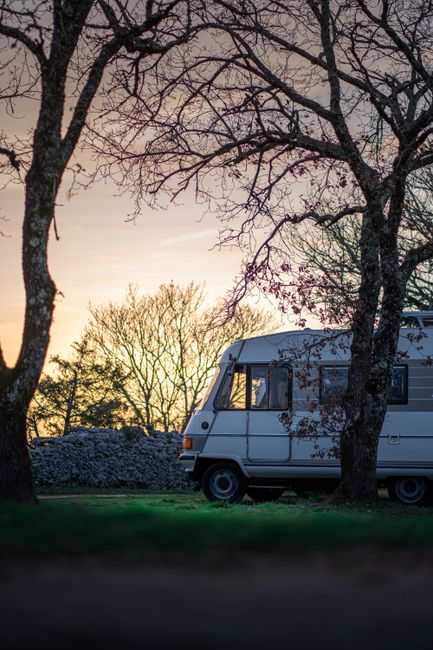
Self-contained motorhome parked on gravel beside a vineyard at sunset

Is Harvest Hosts Worth It? Costs, Rules, and a Break-Even Test

Harvest Hosts can be worthwhile for self-contained RV travelers, but the savings depend on your routes, host purchases, and campground alternatives. Use this practical checklist before joining.

13 min read

An Acquisition Headline Puts Membership Value in Focus

Corporate news is a reason to review your options, not a reason to rush into a membership.

Is Harvest Hosts worth it? It can be for self-contained RV travelers who enjoy visiting local businesses and have several convenient host stops on their planned routes. It is less compelling if you need hookups most nights, prefer longer campground stays, or would take expensive detours just to use the membership.

The news hook for this guide is a headline supplied for review: “Choice Hotels to Acquire Harvest Hosts, Expanding Its Reach with the Value-Minded Traveler Into Outdoor and RV Travel,” attributed to PR Newswire. The headline describes a proposed acquisition. It does not, by itself, establish that a transaction has closed or that membership prices, benefits, or booking rules have changed.

The announcement and current transaction status have not been independently verified for this guide. Before making a purchase based on the news, check official announcements from Choice Hotels and Harvest Hosts. Then review the current pricing, vehicle requirements, and membership terms at harvesthosts.com.

Meanwhile, the buying decision remains practical: will the available stops suit your RV, schedule, and budget? The examples below use clearly labeled assumptions, not verified current membership prices.

    1. Know What a Host Overnight Includes

    Think of a host stay as a business visit with approved RV parking, not a full-service campsite.

    Harvest Hosts connects members with participating businesses and attractions that accommodate eligible RVs overnight. Locations can include farms, wineries, breweries, and other attractions. The appeal is the visit as much as the parking: browse a farm shop, enjoy a tasting, or explore an attraction before settling into your RV.

    A campground generally sells a campsite with clearly described services. A host may provide only a designated parking area. A winery's overflow lot or a farm's gravel space does not automatically include electricity, water, toilets, a dump station, or permission to set up an outdoor living room.

    Plan around a short overnight visit unless the listing and host explicitly approve something else. Confirm hookups, restroom access, generator use, outdoor furniture, and additional nights rather than treating them as included benefits. Extras may carry separate charges.

    • Choose host stays for interesting, route-friendly stops where your RV can operate independently.
    • Choose campgrounds when you need dependable utilities, showers, laundry, waste disposal, or several nights in one place.
    • Keep a backup overnight option. Membership does not guarantee availability at a suitable host.
    • Check the exact membership tier before buying. Advertised networks and add-ons may not all be included in the entry-level plan.
    “A host overnight is a place to visit and park respectfully, not a promise of campground infrastructure.”
    — CampMate planning rule of thumb

    2. Check Your RV and Prepare for a Night Without Utilities

    Your vehicle needs to meet the program's rules and handle the practical demands of the stop.

    Read the current official self-contained vehicle requirements before paying. Check how the program defines acceptable indoor toilet facilities, cooking facilities, and wastewater containment. Do not assume a portable toilet, outdoor stove, rooftop tent, or unfinished camper conversion qualifies.

    Next, check each host's vehicle restrictions. An eligible RV may still be too long for a driveway, too tall for an entrance, or unsuitable for a parking surface. Describe your full traveling setup, including a tow vehicle, trailer, rear rack, or other attached equipment.

    Arrive with enough fresh water, battery capacity, and holding-tank space to complete the stay without help. For two adults, 2 gallons of drinking water is a starting allowance for a mild-weather overnight, not a complete water budget. Add cooking, washing, and toilet needs, and increase supplies for heat, activity, pets, and delays. Your measured usage is the best guide.

    Comfort matters, too. If you need shore-powered air conditioning to sleep comfortably, a powered campsite may be the better choice. A host stay is not good value if your RV cannot support the conditions.

    • Core kit: wheel chocks, leveling blocks, a headlamp for each adult, a charged backup light, and trash bags.
    • Water kit: a potable-water hose and suitable fittings, stored separately from wastewater equipment. Connect to a host tap only with permission.
    • Waste kit: your normal sewer equipment, secured for travel. Never assume a host offers a dump point or permits wastewater discharge.
    • Cool-weather kit: warm sleeping layers, insulating clothing, sufficient approved heater fuel, and a checked house battery. Follow equipment instructions.
    • Hot-weather kit: extra drinking water, a suitable fan, and a realistic battery or approved-power plan.
    • Wet-weather kit: waterproof clothing, appropriate footwear, and an entry mat. Ask whether rain affects parking suitability.

    Test your independence before the trip

    Spend a normal evening and morning without campground utilities somewhere you have permission to do so. Record water use and battery consumption, then add a buffer. Find out what your RV needs before the host closes for the day.

    3. Calculate Your Real Cost and Break-Even Point

    Membership fees are only one part of the comparison.

    Start with the checkout total for the membership tier you need, including mandatory charges and applicable tax. Check whether a discount applies only to the first year, whether renewal is automatic, and what the refund terms allow. A promotional rate is not necessarily your ongoing annual cost.

    Budget for supporting host businesses. Purchases, admission, tastings, or booked activities can be part of the visit. Follow current program guidance and each host's requirements. This guide uses $30 per visit as an example purchase allowance, not a verified current minimum.

    Count only campground nights you would otherwise have paid for. If your realistic alternative is permitted free overnight parking, there may be no lodging savings. Add detour fuel, tolls, optional utilities, and paid water or dump stops when they are incremental costs of choosing the host.

    Also include any extra campground night the plan creates. A campground stay you already intended to book is not automatically an added membership expense, but one needed solely because of your host itinerary can be.

    Here is a worked example using an assumed $99 annual membership, not a verified current price. Your alternative campground costs $55, your host purchase is $30, and the detour adds 20 miles. At 10 mpg and $4 per gallon, the extra fuel costs $8. Your net savings are $55 minus $30 minus $8, or $17 per stay. Divide $99 by $17 and round up: six comparable stays recover the membership fee.

    Change the campground alternative to $40 and the same visit saves only $2 before membership. At $35, it costs more than the campground before you allocate the annual fee. The experience may still be worth paying for, but that is different from saving on lodging.

    • Membership cost, M: the annual checkout total for your chosen tier.
    • Avoided campground cost, C: the all-in price of the alternative you would actually book.
    • Host spending, H: purchases, admission, or activities attributable to the stop.
    • Added driving cost, D: extra miles divided by your RV's mpg, multiplied by fuel price, plus tolls.
    • Other added costs, E: utility charges, paid service stops, or additional campground nights caused by the plan.
    • Net savings per stay: C minus H minus D minus E.
    • Break-even stays: M divided by net savings, rounded up. If net savings are zero or negative, there is no financial break-even.
    • For stops with different costs, add their individual net savings. The membership pays for itself when that total reaches the annual fee.

    Count replacement nights, not vacation nights

    A 12-night trip might offer only three practical host stays. Compare each candidate stop with the alternative for that specific date, and keep necessary campground nights in the budget.

    4. Confirm the Details Before Reserving

    A short, specific message can save a long, unnecessary detour.

    Read the listing first, then ask about anything it leaves unclear. Share your date, RV type, total dimensions, number of travelers, pets, and any towed vehicle. Good details help the host judge whether the space fits.

    A request is not a confirmed reservation. Follow the platform's current booking procedure, wait for approval, and save arrival instructions for offline access. Overnight parking does not automatically mean late arrival is allowed.

    Check the cancellation terms attached to your booking and any paid extras. These may differ from membership refund terms. If your plans change, cancel promptly through the required channel so the host can release the space.

    • Vehicle fit: Can the host accommodate your complete setup, including height and length? Is there room to turn around?
    • Timing: What are the arrival and departure windows? Is approval for one night only?
    • Parking: Where should you park, and does wet weather affect access or the surface?
    • Utilities: What hookups are available, what capacity do they provide, and what do they cost? Is any offered water potable?
    • Business visit: When is the shop or attraction open? Are purchases, admission, or advance activity bookings expected?
    • Setup: Are generators, chairs, awnings, grills, and slide-outs permitted? What restrictions apply?
    • Pets: Where may pets walk, and are there limits around livestock or food-service areas?
    • Changes: How should you report a delay, cancel, or ask for clarification on arrival?

    5. Keep Your Stay Easy for the Host

    A small footprint and a little consideration go a long way.

    Check in as instructed, park where directed, and visit the business during operating hours. Buy something you will enjoy or use, rather than treating the stop as anonymous free parking. If the business is not a good match for your interests or budget, choose another host before reserving.

    Ask before extending slides or awnings, putting out furniture, cooking outdoors, or running a generator. Keep access lanes clear. Take your trash with you unless disposal is expressly provided, and never empty wastewater without an approved facility and permission.

    Follow the host's pet rules, collect pet waste, and respect areas closed to animals. Working farms and busy businesses have their own routines, so keep your visit within the approved space and schedule.

    Traveling with friends? Confirm the current membership or authorization requirements for every RV and secure approval for each vehicle. One membership should not be assumed to cover extra rigs. Tell the host your total group size and accept that parking together may not be possible.

    Use one person to coordinate group messages, but give every driver the arrival instructions. Each rig should have its own essential water, lighting, chocks, and waste capacity. Shared optional gear is fine when permitted; an unapproved outdoor group kitchen is not.

      Create a host-stop checklist in CampMate

      Record your arrival window, parking instructions, purchase budget, pet rules, and backup overnight option alongside your packing list. For group trips, assign each rig's essentials explicitly rather than assuming someone else has them.

      6. Match the Membership to Your Travel Style

      The best value comes from stops that fit trips you already want to take.

      For occasional travelers, ask how many suitable stops fit the trips already on your calendar. Two weekends at a favorite campground may leave few opportunities to use a host membership. Adding mileage or inventing trips to justify the fee usually weakens the financial case.

      Frequent travelers may spread the annual cost across many route-friendly visits. The fit is especially promising if you enjoy local shops, food, and attractions and can arrive during approved hours. Frequent travel alone is not enough if most nights require hookups.

      Availability matters more than a large network count. Look for usable locations near your intended routes, with suitable vehicle access and realistic arrival windows. Where pre-purchase access to listings is limited, ask Harvest Hosts what you can inspect before joining and review the refund terms.

      Separate financial value from experience value. A memorable farm visit can be worth more to you than cheaper parking. That is a perfectly reasonable choice, provided you label the difference as an experience expense rather than assuming every host stay saves money.

      • Strong fit: several on-route stops, an eligible self-contained RV, flexible timing, and genuine interest in host businesses.
      • Weak fit: one or two usable annual stops, long detours, frequent hookup needs, or a preference for extended stays.
      • Worth calculating: regular travel that mixes host overnights with necessary campground service nights.
      • Best comparison: the membership tier you would buy against the overnight options you would actually use.

      FAQ: Eligibility, Hookups, Costs, and Membership News

      Use current official rules and individual listings to settle questions about your setup.

      • Can I use Harvest Hosts for tent camping? Do not buy it as a tent-camping membership. The host-overnight model is intended for eligible self-contained RVs. Check current requirements for rooftop tents, small trailers, and campervan conversions before paying.
      • Do Harvest Hosts locations have hookups? Some may offer utilities, but availability and inclusion vary. Confirm connection type, electrical capacity, potable water, charges, and any separate booking requirements.
      • Can I stay longer than one night? Plan for a short overnight unless the current listing and host explicitly approve more time. Ask about additional-night charges and booking rules.
      • Is spending money at the host optional? Plan to support the business and follow current program guidance and host-specific requirements. The $30 allowance used here is an example, not a verified official minimum.
      • Has the reported Choice Hotels acquisition changed membership benefits? The supplied headline does not establish a completed transaction or changed benefits. Verify official announcements and current membership terms before expecting hotel perks, new pricing, or different booking access.
      • Can friends park beside me under my membership? Do not assume so. Confirm requirements for each RV, obtain approval for every vehicle, and ask whether the host can accommodate your group.
      • Is Harvest Hosts worth it if I already use free overnight parking? Possibly for the experiences, but the lodging-savings case is weaker. Compare against your actual free alternative and include purchases, detours, and membership fees.
      • How many stays does it take to break even? Divide your annual membership cost by the net savings per comparable stay, then round up. In this guide's example, a $99 fee and $17 savings per stay require six stays. Your result will depend on actual prices and routes.

      Check Three Realistic Stops Before Buying

      A small itinerary is more useful than a big promise of savings.

      Choose three potential host stops on trips you already expect to take. Check vehicle fit, detour distance, arrival timing, likely purchases, and your campground alternative. Verify what you can through official information before purchasing.

      If those stops look useful, extend the calculation across your expected year. Buy when the conservative savings or the experiences justify the annual fee. Leave room for campground nights to refill water, empty tanks, recharge, and enjoy the amenities you need.

      The acquisition headline is a prompt to check the facts, not a deadline to join. Harvest Hosts is most worthwhile when the stops suit your RV and travel style, the full costs make sense, and you arrive ready to be a welcome guest.

        Continue the journey

        Build a Practical RV Overnight Plan

        Use CampMate to organize overnight gear, host instructions, shared responsibilities, and a backup stop before departure.

        Related Articles

        Continue exploring camping tips and packing guides