CampMate Logo
Founding Member: 50% OFF Forever
🔥 98 spots left
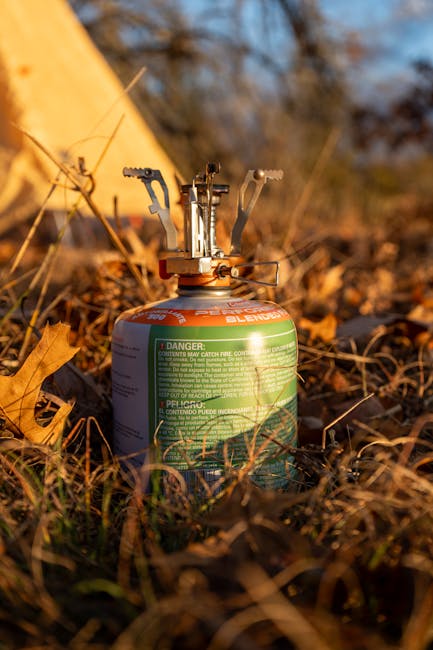
Portable propane heater-stove combo set up at a campsite
Gear & PackingTrip Setup

A Space Heater That Cooks Dinner? How to Pack for Winter Camping with the Ignik Skullet

Winter camping is quieter, wilder, and (let’s be honest) colder. Here’s what GearJunkie’s Ignik Skullet review reveals about heater-stove combos—and exactly how to pack so you stay warm and well-fed without hauling your entire garage.

7 min read

Why heater-stove combos are suddenly everywhere

If you’ve ever tried to cook in sleet while your fingers go numb, you already understand the appeal: one piece of gear that warms the crew and handles dinner. That’s the idea behind the Ignik Skullet—a portable propane heater that also functions like a camp stove.

In GearJunkie’s review, the Skullet is positioned as a winter-friendly solution for cold, wet trips and for campgrounds (or seasons) when a traditional campfire isn’t realistic—or isn’t allowed. It’s also clearly aimed at car campers and basecamps, not ultralight missions.

    CampMate tip: build a “Cold-Weather Camp Kitchen” template

    Create a reusable packing list in CampMate with your winter-only essentials (fuel hose, wind block, gloves, backup lighter, pot gripper). Then duplicate it per trip so you don’t forget the small stuff that makes hot meals possible.

    What the Ignik Skullet is (and who it’s actually for)

    According to GearJunkie, the Ignik Skullet is a two-in-one propane heater and stove designed to throw heat in a full circle while also supporting pots, pans, and a cast-iron skillet (if you buy the cook set). It uses push-start ignition and adjustable legs for different cooking heights.

    The headline tradeoff is straightforward: you get a lot of heat and a more comfortable cooking stance, but you accept serious weight and a bulkier, more “car camping” setup—especially once you add a propane tank.

    • High heat output for an outdoor portable unit (GearJunkie cites 48,000 BTU/hr).
    • Packs down fairly small for transport, but the system becomes heavy once you add fuel.
    • Adjustable legs can be a little wobbly on uneven ground when cooking.

    Pack for reality, not the product photo

    If a piece of gear requires a propane tank, treat the tank like primary cargo. In CampMate, list the tank, a way to secure it upright in your vehicle, and a backup cooking option (even a tiny canister stove) in case the main setup gets finicky.

    A practical winter packing plan (built around a heater-stove setup)

    A heater-stove combo changes what you pack: you’ll likely bring fewer “warmth hacks” (extra fire starters, oversized firewood bundles), but you’ll need a more deliberate fuel-and-cooking system.

    GearJunkie notes the Skullet can run off standard propane tanks, which helps with longer burn time but adds a lot of weight and bulk. That means your packing strategy should focus on: (1) stable cooking, (2) safe fuel management, and (3) layered warmth so you’re not relying on a heater to save the trip.

    • Fuel & connections: propane tank, hose/regulator (as applicable), leak-check spray or soapy water in a tiny bottle, wrench if your setup needs it.
    • Cookware that behaves: a stable pan/pot with a solid handle, a lid for faster boils, heat-safe gloves for stirring in cold wind.
    • Warmth redundancy: insulated layers, dry camp socks, and a real sleep system—so dinner heat is a bonus, not a survival plan.
    • Ground & wind control: a small level base option (folding board or stable pad) and a windbreak to keep cooking efficient.

    CampMate tip: add “Set-up checks” as pack items

    In CampMate, include checklist-style items like “Flat base for stove,” “Fuel secured for transport,” and “Ventilation plan.” They’re not objects, but they prevent the most common cold-weather mistakes.

    Safety and campsite rules: the part people forget to pack for

    Propane heat is awesome—until someone tries to use it in the wrong place. GearJunkie explicitly warns not to use the Skullet in enclosed spaces like tents or campers. This is a planning step as much as it is a gear step: you need a covered-but-ventilated cooking plan for bad weather (like a proper canopy setup with airflow) rather than bringing heat indoors.

    Also, if you’re camping somewhere with fire restrictions, a heater-stove can be a solid alternative to open flames—but you still need to follow local regulations (and common sense).

    • Never run propane heaters/stoves in enclosed spaces (tent, vehicle, camper).
    • Plan a sheltered outdoor cooking area that still has airflow.
    • Pack a headlamp/lantern so you’re not troubleshooting fuel connections in the dark.

    Make a “bad-weather kitchen plan” before you leave

    If rain is in the forecast, decide where you’ll cook (and how you’ll keep airflow) before you arrive. Add that plan to your CampMate trip notes so everyone in your group is on the same page.

    The bottom line: when this kind of gear makes sense

    If you’re a shoulder-season or winter car camper who values comfort, a heater-stove combo can be a legit upgrade—especially for cold, wet trips where campfires are unreliable or prohibited. GearJunkie’s take on the Ignik Skullet is clear: it delivers serious heat and an unusually pleasant camp cooking experience, but it’s heavy, pricey, and best treated as basecamp gear.

    No matter what stove you use, the real win is packing a system—fuel, cookware, warmth layers, and a safe outdoor cooking plan—that keeps the trip fun even when the temperature drops.

      Use CampMate to avoid ‘winter trip amnesia’

      After your trip, update your saved list: remove what you didn’t use, and add what you wished you had (extra gloves, a wider base, a second lighter). Next cold snap, you’ll be ready in minutes.

      Continue the journey

      Pack smarter for cold nights and hot meals

      Create a winter camping packing list in CampMate (fuel, kitchen, sleep system, and safety checks) and reuse it for every shoulder-season trip—so you spend less time rummaging and more time warming up.

      Related Articles

      Continue exploring camping tips and packing guides