
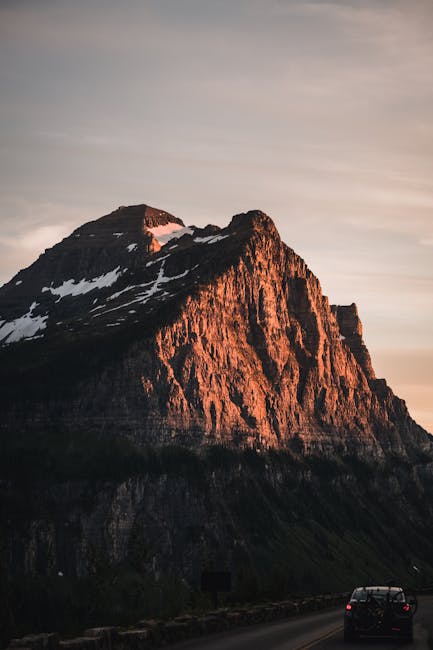
A scenic mountain road in Glacier National Park with a shuttle bus and alpine views
Trip SetupCampMate Stories

Can Glacier National Park Ease Congestion by Expanding Its Shuttle System?

Glacier National Park is exploring ways to keep summer travel smooth without sacrificing the scenery. Here is how a bigger shuttle system could help, plus practical tips for planning a low-stress visit.

6 min read

A smoother way to see Glacier

Glacier National Park is the kind of place that makes you want to linger at every pullout, trailhead, and lakeshore. The challenge is that lots of other visitors feel the same way, especially along Going-to-the-Sun Road during peak season.

One idea getting steady attention is scaling up the park’s shuttle system. More frequent service, longer operating hours, and better connections could help visitors spend less time searching for parking and more time enjoying the views.

    CampMate mindset

    Plan your day around fewer “must-drive” moments and more “must-see” moments. Shuttles can turn the road into part of the experience instead of a task.

    Why congestion builds so fast in Glacier

    Glacier’s most popular corridor is also its most constrained. Going-to-the-Sun Road is narrow, scenic, and packed with stops that everyone wants to use. Parking at trailheads and viewpoints fills early, and once it is full, traffic can slow down simply because drivers are circling for a spot.

    Add in the natural rhythm of a vacation day, morning arrivals, midday peak at classic viewpoints, and afternoon returns, and you get a predictable squeeze. The result is not just slower travel. It can also make it harder to build a relaxed itinerary.

    • Limited parking at iconic stops creates “circling traffic”
    • Most visitors arrive in similar time windows
    • Popular experiences cluster along one primary road
    • Short stops still take up long parking time when lots are full

    Timing trick

    If you can, shift one big activity earlier or later than the crowd. Sunrise and early morning are often the calmest for road access and trailhead parking.

    How a larger shuttle system could change the game

    A well-run shuttle system can reduce the number of vehicles competing for the same limited spaces. When shuttles are frequent and easy to understand, visitors are more willing to park once and ride to multiple stops.

    Shuttles also help turn “one-and-done” stops into a connected day. Instead of driving, parking, and repeating, you can hop between trailheads, viewpoints, and visitor areas with less friction.

    • Fewer cars searching for parking at peak locations
    • More predictable travel times between major stops
    • Better access for visitors who prefer not to drive steep, winding roads
    • A more relaxed way to build a multi-stop itinerary

    Comfort tip for shuttle days

    Pack layers, water, snacks, and a small sit pad. Waiting a few minutes is easier when you are comfortable and ready for changing mountain weather.

    What “expanding shuttles” might actually mean

    Scaling up a shuttle system is not just adding buses. It usually means improving the full experience so it feels like the easiest option. That can include clearer signage, real-time arrival info, more frequent runs, and better connections to parking areas.

    It can also mean designing routes around how people actually visit, such as early service for hikers, midday coverage for scenic stops, and late runs to support sunset viewpoints and evening campground routines.

    • More frequent shuttles during peak hours
    • Longer operating windows to spread out demand
    • Better park-and-ride lots outside the busiest corridor
    • Clear route maps and simple wayfinding at stops
    • Real-time updates so visitors can plan on the fly

    Plan for flexibility

    Build a “two-option” day: one primary hike or viewpoint, plus a backup stop that is easy to swap in if a shuttle line or parking area is busy.

    How to plan a shuttle-friendly Glacier itinerary

    If you want to lean into shuttles, think in zones rather than trying to cover the entire park in one day. Pick a starting area, choose a couple of stops that are close together, and give yourself buffer time.

    A shuttle-forward plan pairs well with early starts, light packing, and a clear idea of what matters most to you: a specific hike, a lakeside picnic, or a string of scenic viewpoints.

    • Choose 2 to 4 stops max for a relaxed day
    • Start early to catch the calmest window
    • Bring offline maps and note key shuttle stops
    • Pack food and water so you are not forced into peak-time detours
    • Keep one “easy win” stop in your pocket if plans shift

    CampMate planning tip

    Save your stops as a short list, then sort by priority. If you only get to the top two, the day still feels like a success.

    Continue the journey

    Plan your Glacier days the easy way

    Use CampMate to map stops, organize a shuttle-friendly itinerary, and keep your trip notes in one place so you can focus on the views.

    Related Articles

    Continue exploring camping tips and packing guides