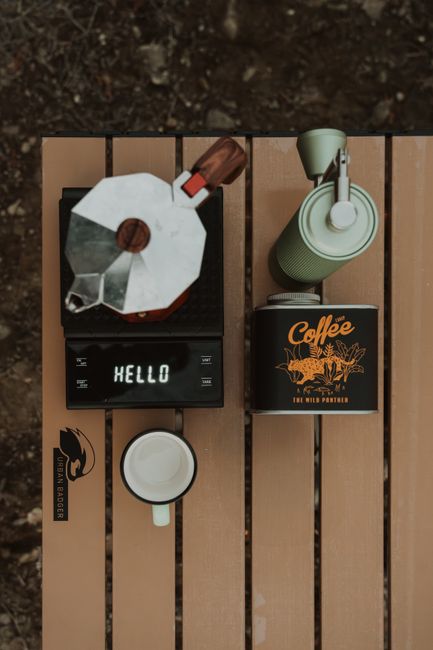
Flat lay of organized camping gear on a picnic table with labeled bins and a notebook checklist
Gear & Packing

Know What Gear You Own: Pack Faster and Stop Buying Duplicates

A simple gear inventory can save money, speed up packing, and reduce last-minute “Do we have that?” texts. Here’s how to build a practical gear locker for car camping or backpacking, plus how CampMate helps keep shared gear organized.

7 min read

The easiest packing upgrade is not new gear, it is knowing your gear

Most packing stress comes from uncertainty, not complexity: Do we already have a stove? Where is the fuel? Is the sleeping pad the leaky one or the good one? When you cannot answer those questions quickly, you either buy duplicates or you pack too much “just in case.”

A simple gear locker solves this by turning your pile of equipment into a clear, searchable inventory. Once you know what you own, packing gets faster for both car camping and backpacking, and group trips get a lot less guesswork-heavy.

    Quick mindset shift

    Treat gear like a pantry: you do not need more food, you need to know what is already on the shelf and what is running low.

    Why duplicate buys happen (and how a gear locker prevents them)

    Duplicate purchases usually happen for three reasons: gear is stored in multiple places, items are shared between people, and “small stuff” is hard to remember. The result is a second headlamp, a third camp spatula, and two nearly identical water filters.

    A gear locker is just a consistent record of what you own, where it lives, and whether it is ready to go. When the question comes up, you check once instead of re-buying or digging through bins.

    • Storage sprawl: garage bin, closet bin, car bin, and nobody knows which one is current
    • Shared items: one person owns the stove, another owns the pot set, and it changes trip to trip
    • Consumables: fuel, batteries, water treatment tablets, and patch kits quietly run out

    The “two-minute check” rule

    If you cannot confirm you own an item in two minutes, it is a candidate for your gear locker list.

    Build a practical gear locker in 30 minutes

    You do not need a perfect catalog. Start with what you use most often, then expand. The goal is to make your next trip easier, not to create a museum inventory.

    Begin by grouping gear into a few categories that match how you pack: sleep, shelter, kitchen, water, lighting, clothing layers, and “repair and misc.” Then capture the key details that prevent confusion.

    • Item name + type: “2-person backpacking tent” beats “tent”
    • Quantity: especially for headlamps, stakes, mugs, and stuff sacks
    • Location: “blue bin, garage shelf” or “closet top tote”
    • Condition notes: “needs seam seal,” “missing lid,” “works great”
    • Trip fit: car camping, backpacking, or both

    What to skip at first

    Do not start by listing every single carabiner. Start with the items that drive trip success: shelter, sleep system, cook system, water, lighting, and power.

    Shared gear, less guesswork: how to coordinate with a group

    Group trips get messy when ownership is unclear. Two people bring stoves, nobody brings a lighter. Someone assumes the group has a big cooler, but it is still in a neighbor’s garage from last month.

    A gear locker makes shared gear decisions simple: assign who is bringing what, confirm quantities, and avoid accidental duplicates. This is especially helpful when you rotate roles between trips or camp with multiple friend groups.

    • Choose a “core kit” per group: stove, pot, water filter, first-aid basics, and tarp
    • Label shared bins: “kitchen,” “coffee,” “repair,” so anyone can grab and go
    • Track consumables before you leave: fuel canisters, batteries, trash bags, soap

    One text that saves a lot of hassle

    Before packing, send a quick note: “I have the stove and pot set. Can someone confirm they have fuel and a lighter?” Then verify in your gear locker.

    Pack faster for car camping and backpacking using the same gear locker

    A gear locker is not just a list, it is a decision tool. When you can see what you own, you can quickly choose the right version for the trip: the big comfy pad for car camping, or the lighter one for backpacking.

    Try creating a simple “default loadout” in your head: a standard set of items you almost always bring. Then you only adjust for weather, distance, and group size.

    • Car camping: prioritize comfort and redundancy (bigger stove, extra lantern, larger cooler)
    • Backpacking: prioritize weight and multi-use (lighter shelter, smaller cook kit, fewer duplicates)
    • Both: keep a consistent repair and hygiene mini-kit so it is never forgotten

    The fastest packing trick

    Keep one small “always packed” pouch: lighter, matches, headlamp batteries, duct tape wrap, zip ties, and a mini multi-tool. Log it in your gear locker so you know it exists and where it lives.

    Where CampMate fits: a gear locker that stays current

    A gear locker only works if it is easy to maintain. CampMate’s Gear locker is designed for exactly this: keeping track of what you already own so you can stop duplicate buys and pack faster for car camping or backpacking.

    As you plan a trip, you can reference your gear in one place, see what is available, and reduce the back-and-forth when gear is shared across friends or family. The result is fewer last-minute store runs and more confidence that the essentials are covered.

    • Log the gear you already own so you can shop less and pack smarter
    • Reduce duplicates by checking your inventory before buying or packing
    • Make shared gear clearer by keeping a consistent record of the group’s go-to items

    Make it effortless

    After each trip, do a 3-minute reset: note what ran out, what broke, and what you want to upgrade. Small updates keep your gear locker accurate all season.

    Spend less time searching and shopping, spend more time camping

    Knowing what gear you own is one of the most practical ways to level up your camping routine. A simple gear locker cuts duplicate purchases, speeds up packing, and makes shared trips smoother because everyone can see what is already covered.

    Start small: log your shelter, sleep system, cook kit, water setup, and lighting. Then build from there. If you want an easy way to keep it all organized as you plan trips, CampMate’s Gear locker is a handy home base for your inventory.

      Your next step

      Pick one category today (sleep or kitchen works well) and inventory it fully. You will feel the payoff on your very next trip.

      Continue the journey

      Build your gear locker once, pack faster every trip

      Track the gear you already own, reduce duplicates, and make shared trips easier with CampMate’s Gear locker.

      Related Articles

      Continue exploring camping tips and packing guides