
CampMate Logo
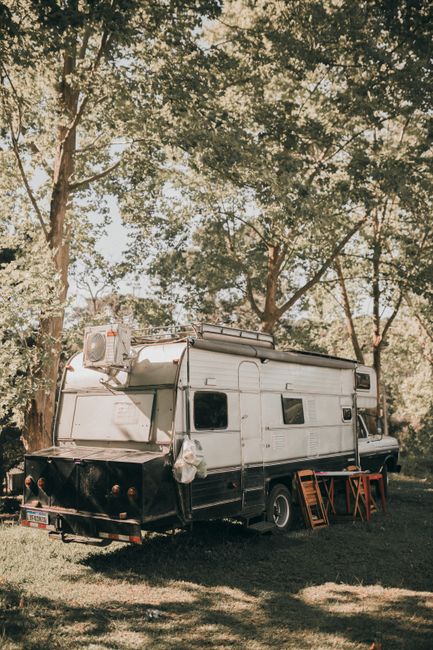
A parked rental RV at a quiet forest campsite with morning light
Trip SetupGear & Packing

First-Time RV Rental Guide: Plan, Pack, and Camp With Confidence

Renting an RV for the first time is easier than it looks. Use this friendly checklist-style guide to choose the right rig, understand costs, pack smart, and roll into your first campsite feeling prepared.

7 min read

Your first RV trip starts with a good plan

An RV rental is one of the quickest ways to try RV camping without committing to ownership. You get a cozy place to sleep, a kitchen on wheels, and the freedom to wake up near trails, lakes, and small towns.

This guide keeps things simple: pick a rig that matches your route, understand the real costs, learn the basics at pickup, and pack the right essentials so your first campground setup feels smooth.

    Keep it easy on trip one

    Choose a shorter route with a couple of nights in one campground. Less driving and fewer check-ins means more time to relax and learn the RV basics.

    Choose the right RV for your route and comfort level

    The best first rental is the one you feel comfortable driving and parking. Bigger is not always better, especially if your route includes narrow roads, busy towns, or tight campground loops.

    Start by listing your must-haves: number of beds, bathroom needs, kitchen basics, and whether you want to tow a car or keep everything in one vehicle.

    • Class B camper van: easiest to drive, great for couples and simple setups
    • Class C: popular first-timer choice, good space without feeling huge
    • Travel trailer: roomy for the price, but you need a suitable tow vehicle and hitch setup
    • Ask about length limits at campgrounds before you book

    Match the RV to the campsite

    Check campground site length and hookup types (electric, water, sewer). Booking a full-hookup site can make your first trip much more relaxed.

    Understand the full cost, not just the nightly rate

    RV rental pricing can include add-ons that surprise first-timers. A clear budget helps you compare listings and avoid last-minute changes.

    Before booking, review what is included and what costs extra. It is normal for rentals to charge for mileage, generator use, cleaning, linens, kitchen kits, and dumping tanks.

    • Nightly rate plus taxes and service fees
    • Mileage or distance limits (especially for motorhomes and vans)
    • Fuel costs and propane refill policies
    • Optional add-ons like camp chairs, bedding, and kitchen gear
    • Security deposit and insurance options

    Ask for a simple written quote

    Request an all-in estimate for your dates and expected mileage. It makes comparing options much easier.

    Do a thorough pickup walkthrough and take notes

    Pickup day is your best chance to learn how everything works. Plan extra time so you are not rushed, and do not be shy about asking for a second demo.

    Take photos and short videos of key steps. That way, when you are setting up at dusk, you can replay the exact sequence.

    • Confirm how to connect shore power, water hose, and sewer hose (if applicable)
    • Learn the basics of the fresh, gray, and black tanks and how to read tank levels
    • Test the stove, fridge mode, lights, heater, and water pump
    • Locate the leveling tools, jack, spare tire, and emergency kit
    • Check existing wear and note it in the rental app or agreement

    Make a one-page RV cheat sheet

    Write down: power hookup steps, tank valve locations, generator start procedure, and the RV height. Tape it inside a cabinet door.

    Set up camp with a simple, repeatable routine

    A consistent setup routine keeps things calm and prevents missed steps. Aim to arrive with daylight on your first trip so you can park, level, and connect without rushing.

    Once you are parked, think in this order: position, level, connect utilities, then relax.

    • Park and confirm you are within the site boundaries and clear of obstacles
    • Level the RV before extending any slides (if your rental has them)
    • Connect power first, then water, then sewer if you have full hookups
    • Do a quick interior check: fridge setting, vents, and cabinet latches
    • Create an outdoor zone: mat, chairs, and a small table for easy meals

    Pack for outdoor living

    An RV feels bigger when you spend time outside. Bring a lantern, a small rug or mat, and a simple meal plan that uses one pan and one pot.

    Continue the journey

    Plan your first RV trip the easy way

    Use CampMate to organize your route, campground details, packing list, and setup checklist so your first RV rental feels simple from pickup to checkout.

    Related Articles

    Continue exploring camping tips and packing guides