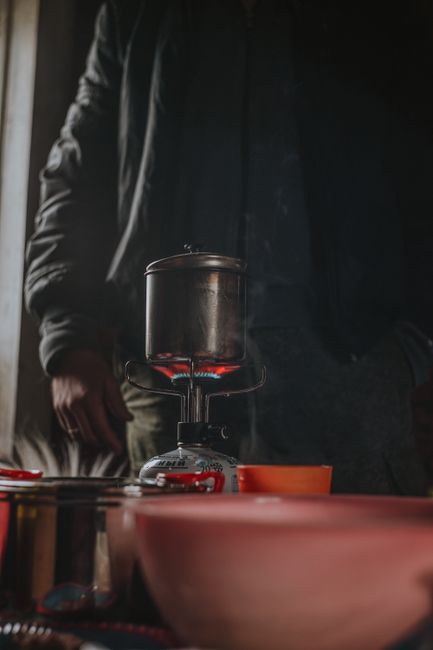
Compact backpacking stove on a flat rock with a small pot and pine forest background
Gear & Packing

Cook With Heat, Not Fire: Fire Maple Sunflower Stove Review for Easy Camp Meals

The Fire Maple Sunflower Stove is built for campers who want fast boils, steady simmering, and less fuss at the cook site. Here is what it does well, what to watch for, and how to get the best results on real trips.

6 min read

Why “heat, not fire” is the vibe for modern camp cooking

There is something classic about cooking outside, but you do not need a big flame show to make a great meal. A compact canister stove keeps things simple: quick setup, predictable heat, and easy cleanup.

The Fire Maple Sunflower Stove has been getting attention as a lightweight option for backpacking and weekend camping alike. In this review, we will look at how it performs for everyday trail meals, what it packs like, and what to consider before adding it to your kit.

    Quick mindset shift

    Plan meals around controlled heat: boil for coffee and dehydrated meals, then use a gentle simmer for sauces, oats, and one pot dinners.

    Design and packability: small stove, big convenience

    The Sunflower Stove follows a familiar canister stove layout: it threads onto a fuel canister, supports a pot on fold out arms, and uses a valve to control the flame. The appeal is in the balance of stability and compact storage.

    For packing, this style of stove is hard to beat. It can live inside a small cook pot with a lighter and a folded windscreen, which keeps your kitchen kit tidy and easy to grab.

    • Compact foldable arms for storage in a pot or stuff sack
    • Simple control valve for adjusting output
    • Works with common screw thread fuel canisters

    Pack it as a “kitchen bundle”

    Store the stove, lighter, small scrub pad, and spices inside your pot. You will spend less time hunting for pieces at camp.

    On-trail performance: boil speed, simmer control, and real meal use

    Most campers judge a stove by how quickly it boils water, but the real test is how it handles the in between. The Sunflower Stove aims to deliver steady heat for quick boils while still offering enough control for basic simmering.

    For typical backpacking routines like coffee, instant meals, ramen, and oatmeal, this stove style shines. You get fast heat when you want it, then you can dial things down to avoid scorching when you are cooking something thicker.

    If your menu leans toward one pot meals, pay attention to your pot choice. Wider pots tend to cook more evenly and feel more stable, which makes simmering less finicky.

    • Great for boil-heavy meals and hot drinks
    • Useful flame control for simple simmering tasks
    • Best results with a pot that matches the stove’s support width

    Simmer without stress

    Start at a low flame, stir often, and use a lid. A lid reduces fuel use and helps you keep the valve lower for steadier heat.

    Wind and conditions: keeping your cooking efficient

    Any canister stove can struggle when wind steals heat from the pot. The good news is that a few small habits make a big difference: choose a sheltered spot, use natural wind breaks, and keep your pot centered.

    A compact windscreen can boost efficiency, but it must be used carefully with canister stoves. Leave plenty of airflow around the fuel canister and never fully enclose it. The goal is to protect the flame, not trap heat around the canister.

    • Cook in a sheltered spot for faster boils and less fuel use
    • Use partial wind protection with safe airflow around the canister
    • Center the pot to keep heat consistent and reduce tipping risk

    Wind strategy that works

    Set up behind a rock, log, or your pack, then angle a small foil windscreen around the burner area only, leaving the canister fully exposed.

    Who this stove is best for and what to consider

    The Fire Maple Sunflower Stove is a strong fit for campers who want a lightweight, no-nonsense setup for quick meals. If your trips are a mix of backpacking overnights and car camping weekends, it can cover both without taking much space.

    If you frequently cook for a group, you may prefer a larger, more stable base stove or a remote canister design that handles big pots more comfortably. For solo and two-person cooking, a compact upright canister stove like this is often the sweet spot.

    • Best for solo and two-person meals
    • Ideal for boil-first cooking and simple one pot dinners
    • Consider a larger platform if you often use big cookware

    Match the stove to your menu

    If most meals are water plus food, prioritize boil efficiency. If you love real cooking, prioritize stability, a wider pot, and reliable simmer control.

    Continue the journey

    Plan your next camp kitchen with CampMate

    Build a packing list, map out meals, and keep your gear organized so cooking outside feels easy from day one.

    Related Articles

    Continue exploring camping tips and packing guides