
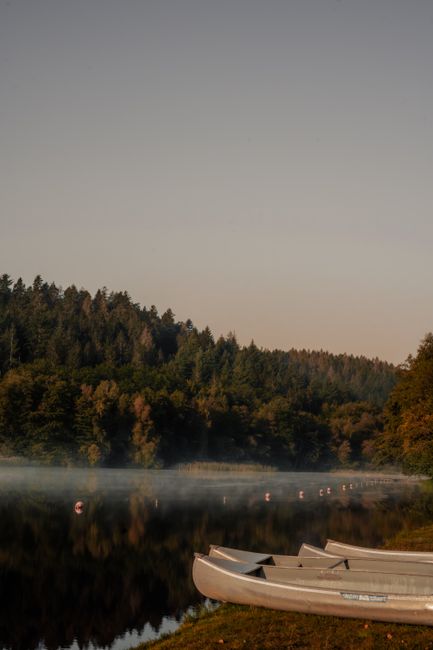
Canoe pulled up on a rocky shoreline beside calm lake water in the Boundary Waters
Trip SetupGear & Packing

A Father-Son Canoe Camping Trip in Minnesota’s Boundary Waters: A Simple Guide to Planning Your Own

Paddle quiet lakes, carry your canoe over short portages, and end the day with a shoreline campfire. Here is a friendly, practical planning guide inspired by a classic Boundary Waters canoe camping trip, with routes, permits, packing tips, and leave-no-trace basics.

7 min read

Why the Boundary Waters is perfect for a low-key canoe camping trip

Minnesota’s Boundary Waters Canoe Area Wilderness (BWCA) is canoe camping at its most classic: mirror-still mornings, pine-scented breezes, and campsites that feel pleasantly tucked away. It is also a great place to share simple outdoor routines like paddling, portaging, cooking, and stargazing.

This guide keeps things light and practical, focusing on how to plan a smooth first or next trip: choosing an easy route, dialing in permits, packing smart, and building a camp rhythm that makes the whole experience feel unhurried.

    Camp rhythm idea

    Aim to reach camp by mid-afternoon. It leaves time for a swim, a slow dinner, and an early night under quiet skies.

    Pick a route that matches your pace, not your ego

    The best Boundary Waters trips are the ones that feel doable. For many paddlers, that means shorter travel days, fewer portages, and a route with flexible options if wind or energy levels change.

    When comparing routes, look at three things: total mileage per day, portage count and length, and how exposed the lakes are to wind. Big open lakes can slow you down, while smaller connected lakes often feel more relaxed.

    If you are newer to BWCA travel, consider a basecamp style plan: paddle in, set up once, then take day trips with a lighter canoe. It is a calm way to learn the flow of the wilderness without rushing.

    • Target 3 to 7 miles of paddling per day for a mellow pace
    • Keep portages short and few if you want more time at camp
    • Choose smaller lakes if you prefer less wind exposure
    • Build in a rest or exploration day if your schedule allows

    Simple route filter

    If you can describe the route in one sentence and it still sounds relaxing, it is probably a good match.

    Permits, entry points, and timing that makes planning easier

    BWCA trips require a permit tied to a specific entry point and date. Popular entry points can book quickly, so it helps to decide your preferred area and a backup option early.

    For a smoother experience, consider traveling midweek or outside peak holiday windows. You will often find quieter landings, easier campsite selection, and a more unhurried feel on the water.

    Outfitters can also simplify logistics by helping with permit pickup, maps, route suggestions, and rentals. Even if you bring your own gear, a quick call can confirm current conditions and practical local tips.

    • Choose an entry point with a realistic first-day distance
    • Have a backup entry point and date ready
    • Plan for an early start to beat afternoon breezes
    • Confirm rules for food storage, fires, and campsite use

    Make permit day painless

    Save your group details, vehicle info, and route notes in one place so permit pickup feels like a quick stop, not a scavenger hunt.

    A packing approach that keeps portages pleasant

    Canoe camping feels best when your gear is simple, compact, and easy to carry. Think in systems: sleep, shelter, food, water, navigation, and safety. Then pack into a small number of portage-friendly bags.

    A common goal is to portage in one trip when possible, or at least keep it efficient. Fewer loose items means less time at the landing and more time paddling.

    Food is where comfort and weight meet. Plan meals that are satisfying but low-fuss: quick breakfasts, easy lunches, and one-pot dinners. Bring a few morale boosters like hot cocoa, a favorite spice blend, or a dessert that travels well.

    • Pack in 1 to 2 main bags plus a small day bag
    • Bring a map and compass even if you also use an app
    • Use a simple water treatment method you trust
    • Keep rain gear accessible, not buried
    • Carry a small repair kit for paddle, tent, and stove

    Portage win

    Do a driveway test: load everything, then carry it 200 yards. If it feels chaotic at home, it will feel worse at a rocky landing.

    Campsite routines that make the trip feel effortless

    Once you land at camp, a few simple habits keep everything smooth. Start with shelter and water, then set up the kitchen area, then relax. It is a small order of operations that prevents the classic scramble when the breeze picks up or clouds roll in.

    Treat the campsite gently: use established tent pads, keep soap and food away from the shoreline, and leave the place looking like you were never there. The BWCA stays special because campers take care of it.

    End the day with a small ritual: a shoreline walk, a warm drink, a journal note, or planning tomorrow’s paddle. Those quiet moments often become the memories you bring home.

    • Set up tent first, then filter water
    • Hang or secure food according to local guidance
    • Keep gear grouped so nothing wanders into the woods
    • Do a quick shoreline check before dark to tidy up

    Leave No Trace shortcut

    Before you launch in the morning, scan the site in a slow circle. If you can spot it, you can pack it.

    Bring the plan, then let the wilderness set the pace

    A Boundary Waters canoe camping trip does not need to be complicated to be unforgettable. Pick a route that feels comfortable, lock in the permit details early, pack with portages in mind, and keep camp routines simple.

    Once you are on the water, the best move is often the easiest one: paddle steady, stop for snacks, take photos of the light on the pines, and enjoy the quiet. That is the BWCA at its best.

      Planning mantra

      Plan for comfort and flexibility, then let the days unfold one lake at a time.

      Continue the journey

      Plan your BWCA canoe trip in minutes

      Use CampMate to organize your route notes, packing list, permit reminders, and daily itinerary so your trip feels relaxed from launch to last portage.

      Related Articles

      Continue exploring camping tips and packing guides