
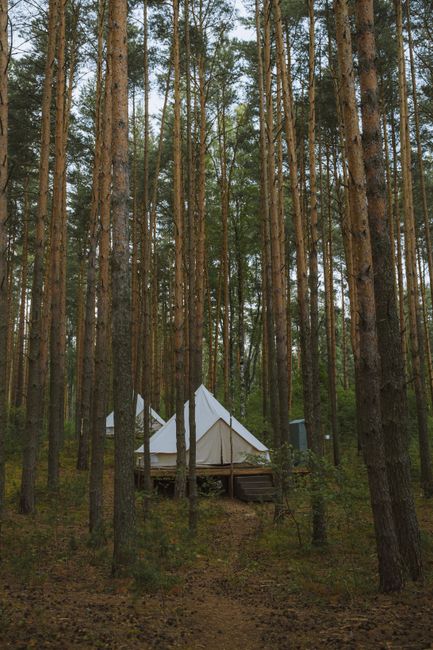
Spacious cabin-style camping tent set up at a quiet forest campsite
Gear & PackingTrip Setup

Family Camping Made Simple: 7 Spacious Tents That Are Easy to Pitch

Looking for a roomy family tent that goes up fast and keeps everyone comfortable? Here are seven easy-pitch, spacious tent styles to consider, plus practical tips for choosing the right size, layout, and weather protection.

6 min read

A roomy tent is the fastest way to upgrade family camping

When everyone has a little breathing room, camp feels calmer. A spacious tent helps with changing clothes, organizing bags, and settling in when the evening gets cool.

The best part is you do not have to trade comfort for convenience. Many modern family tents are designed to pitch quickly with color-coded poles, hub systems, or instant frames that reduce setup time.

  • Prioritize livable space, not just the printed capacity
  • Look for fast-pitch designs that reduce pole confusion
  • Choose layouts that help keep gear organized

Quick sizing rule

For families, consider sizing up by 2 people. A 6-person tent often feels right for 3 to 4 campers plus gear.

What to look for in a family tent

Family tents shine when they balance three things: space, simplicity, and weather readiness. The details matter, especially when you are setting up near sunset or packing up in the morning.

Focus on features that make camp life smoother, like big doors, tall ceilings, and storage that keeps the floor clear.

  • True floor space: check the square footage, not only the capacity label
  • Headroom: cabin-style walls feel bigger and make moving around easier
  • Ventilation: roof vents and mesh panels reduce stuffiness
  • Rain protection: a full-coverage rainfly and sealed seams help in wet weather
  • Organization: pockets, gear lofts, and a vestibule keep clutter outside the sleeping area

Door count matters

Two doors can make a big difference for nighttime exits and keeping traffic from stepping over sleeping bags.

7 spacious, easy-pitch tent picks for family camping

Instead of chasing one perfect model, it helps to shop by tent style. Below are seven family-friendly categories that tend to be roomy and straightforward to set up, with notes on who each style fits best.

  • Instant cabin tent: Uses a pre-attached frame for fast setup and tall standing room. Great for car camping and quick overnights.
  • Cabin tent with hubbed poles: Offers near-vertical walls and a simple pole structure. A solid balance of space and packability.
  • Tunnel tent with large vestibule: Creates a big covered entry for shoes, coolers, and wet gear. Ideal for organized campsites.
  • Dome tent with extended porch: A stable shape with extra covered space out front. A good option for breezy campgrounds.
  • Multi-room tent with divider: Helps create a little privacy and separates sleepers from gear. Best for longer stays.
  • Pop-up tent for quick weekends: Fast to deploy with minimal steps. Perfect when convenience is the top priority.
  • Dark-room or light-reducing tent: Designed to cut early morning brightness and help everyone sleep in a bit longer.

Match the tent to the trip

For one-night stops, choose the fastest pitch. For multi-night trips, prioritize storage, vestibules, and ventilation.

Easy setup and comfort tips that actually help

Even an easy-pitch tent gets simpler with a repeatable routine. A few small habits make setup smoother and help keep the interior comfortable through the whole trip.

Think of your tent as a basecamp: keep the floor clear, manage airflow, and plan where gear lives before you unzip the door.

  • Practice once at home so the first pitch at camp is stress-free
  • Use a footprint or groundsheet sized to the tent floor, not larger
  • Stake corners first, then add tension to align doors and zippers
  • Vent early: crack vents and open mesh panels before condensation builds
  • Create a shoe zone in the vestibule to keep the sleeping area clean

Footprint fit check

If your groundsheet sticks out past the tent floor, it can collect rain and funnel water underneath. Trim or fold it to match the base.

A quick buying checklist for your next tent

Before you hit buy, run through a short checklist. It helps you avoid the classic surprises, like realizing the tent is tall but narrow, or roomy but lacking a real rainfly.

When possible, compare the packed size and weight too, especially if your vehicle space is limited.

  • Capacity: size up by 2 for comfort
  • Peak height: aim for standing room if you like easy changing and organizing
  • Rainfly coverage: look for full coverage and a vestibule if you camp in mixed weather
  • Pole system: color-coded or hubbed designs reduce setup time
  • Storage: pockets and gear lofts keep headlamps and small items easy to find

Consider your campsite style

If you mostly car camp, prioritize comfort and headroom. If you move camps often, prioritize faster pitching and a smaller packed size.

Pick the tent that makes camp feel effortless

A great family tent is the one that feels roomy, goes up without drama, and stays comfortable when the weather shifts. Start with the style that matches your trips, then narrow it down by layout, ventilation, and rain protection.

Once you have the right tent, the rest of camp gets easier, from bedtime routines to keeping gear organized. That leaves more time for the fun parts: meals outside, easy evenings, and unhurried mornings.

  • Choose space and layout first, then focus on setup features
  • Size up for comfort and gear storage
  • Look for ventilation and a full rainfly for all-around versatility

Keep a simple tent kit

Pack stakes, a small mallet, seam sealer, and a few spare guylines in a dedicated pouch so setup is always smooth.

Continue the journey

Plan your next family camping trip with CampMate

Use CampMate to organize your packing list, campsite details, and trip timeline so your tent setup and camp routine stay simple.

Related Articles

Continue exploring camping tips and packing guides