
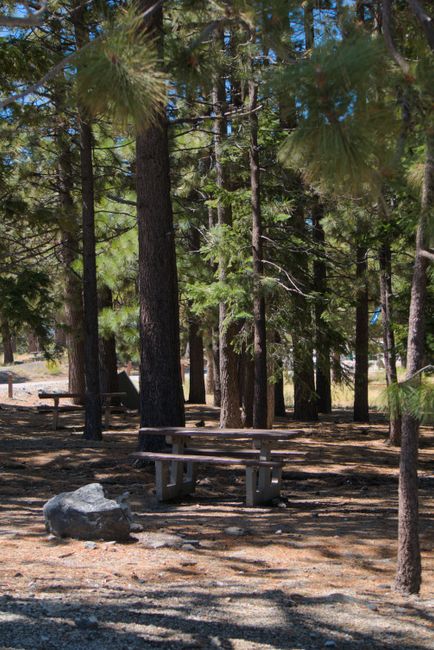
Sunrise over an empty California state park campsite with tent pad and picnic table
Trip SetupCampMate Stories

California State Parks Are Cracking Down on Reservation No-Shows: What Campers Should Know

California State Parks are tightening rules around reservation no-shows to keep campsites in use and improve fairness. Here is what it means for your next trip and how to plan so you do not lose your spot.

6 min read

A friendlier system for everyone who wants to camp

If you have ever watched prime weekend dates disappear in seconds, you already know how competitive California State Parks reservations can be. When a reserved site sits empty because someone does not arrive or forgets to cancel, it can feel like a missed opportunity for everyone else.

California State Parks are placing more attention on reservation no-shows. The goal is simple: reduce empty sites, improve fairness, and make it easier for last-minute campers to find a spot when plans change.

    CampMate mindset

    Treat your reservation like a shared resource. If you cannot use it, cancel early so another camper can enjoy the site.

    Why no-shows are a big deal in popular parks

    A single no-show can ripple through the whole campground. Nearby campers might have friends searching for a site, rangers spend time managing empty reservations, and the park loses the chance to welcome someone who is ready to camp that night.

    Cracking down on no-shows is also about setting expectations. When the system rewards responsible planning, more sites get used and more trips actually happen.

    • Fewer empty sites on busy weekends
    • Better odds of snagging a last-minute opening
    • A more predictable experience for campers and park staff

    Look for opportunity

    When policies encourage faster turnover of unused reservations, you may see more same-week availability, especially for midweek nights.

    What changes might look like on the ground

    Every park and reservation system has its own details, but no-show crackdowns typically focus on clearer arrival expectations and stronger follow-through when a reservation is not used.

    That can mean paying closer attention to check-in windows, requiring timely cancellation, or applying penalties when a camper repeatedly reserves and does not show. The practical takeaway is that your arrival time and communication matter more than ever.

    • Know your campground check-in and check-out times
    • If you will arrive late, confirm the park’s late-arrival process
    • Cancel as soon as you know you cannot make it

    Late arrival plan

    Before you drive, screenshot your confirmation and note the park’s after-hours instructions. A quick plan can prevent a simple delay from turning into a missed check-in.

    Simple ways to protect your reservation

    Most no-show trouble comes from normal life stuff: traffic, work running long, a weather change, or a last-minute schedule conflict. A few habits can keep your trip smooth and your reservation safe.

    Start by building a realistic timeline, then set reminders for key moments like cancellation deadlines and departure time. If your plans change, act early so you have the widest range of options.

    • Set a reminder for the cancellation deadline the day before it hits
    • Plan to arrive with buffer time for fuel, food, and traffic
    • Have a backup campground or nearby alternative in mind
    • If you are unsure, shorten the trip instead of no-showing

    Buffer time rule

    Add 60 to 90 minutes to your drive estimate for popular corridors and weekend travel. It keeps the trip relaxed and helps you arrive within the check-in window.

    Good reservation etiquette makes more camping possible

    No-show policies are not just about rules. They support a culture where campers look out for each other. When people cancel promptly, it creates real openings for families, first-timers, and spontaneous weekenders.

    If you end up with extra space or a change of plans, consider adjusting your reservation responsibly rather than holding a site you will not use. It is one of the easiest ways to be a great campground neighbor.

    • Cancel early so others can book and plan
    • Avoid booking “just in case” dates you are unlikely to use
    • Share tips on last-minute availability with fellow campers

    Be the reason someone gets outside

    A quick cancellation can turn an empty site into someone’s first campfire of the season.

    Continue the journey

    Plan smarter reservations with CampMate

    Keep your trip organized with reminders, backup options, and a simple plan you can follow from booking to check-in.

    Related Articles

    Continue exploring camping tips and packing guides