CampMate Logo
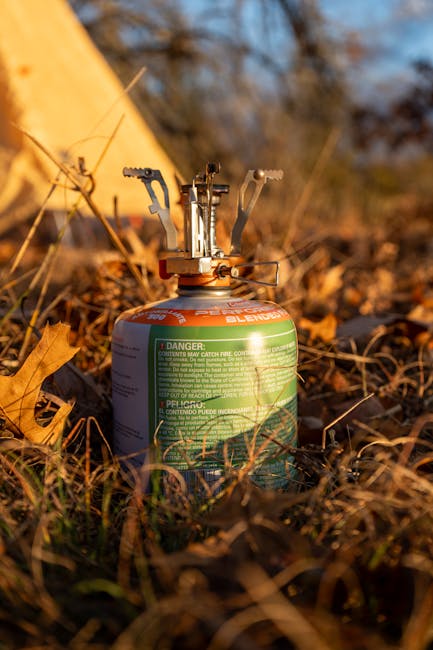
Compact backpacking stove boiling water beside a campsite table with cookware and fuel canister
Gear & PackingTrip Setup

BTUs in Camping Stoves, Explained: How to Pick the Right Heat for Your Trip

BTUs can make camping stove shopping feel technical, but the idea is simple: more BTUs usually means more heat output. Learn what BTUs really tell you, what they do not, and how to match stove power to your meals, cookware, and camping style.

6 min read

BTUs, but make it camp-friendly

When you are comparing camping stoves, the BTU number often looks like the headline feature. It is helpful, but it is not the whole story.

BTU stands for British Thermal Unit, a measure of heat energy. On most stove listings, the BTU rating is essentially the maximum heat output the burner can produce in an hour under ideal conditions.

In the real outdoors, your pot, wind, fuel type, and burner design can matter just as much as the number on the box. Let’s break it down so you can choose a stove that fits your trip, not just the spec sheet.

    Quick definition

    Higher BTUs usually means more potential heat, but efficiency decides how much of that heat actually reaches your food or water.

    What a stove’s BTU rating actually tells you

    A BTU rating is best thought of as a stove’s top-end output, like the maximum setting on a dial. A 10,000 BTU burner can push more heat than a 7,000 BTU burner, assuming similar design and conditions.

    But BTUs do not automatically translate to faster boils or better cooking. Two stoves with the same BTU rating can perform differently depending on how the flame is shaped, how stable the pot sits, and how well the burner transfers heat upward.

    • BTUs measure potential heat output, not guaranteed cooking speed
    • Higher BTUs can help with larger pots and more food
    • Lower BTUs can still be great for simple meals and fuel savings

    Look for context

    If a product page includes boil time and fuel consumption, those specs help you compare real performance better than BTUs alone.

    BTUs vs efficiency: why wind and cookware change everything

    Out in the open, wind can steal heat fast. A high-BTU stove in a breeze can feel weaker than a lower-BTU stove that is better protected or paired with a good windscreen (when safe and compatible with your fuel setup).

    Cookware matters too. A wide pot can catch more flame, while a very small pot might let heat spill around the sides. Heat exchanger pots can also improve efficiency by capturing more heat and reducing boil times.

    If your goal is quick boils, overall system efficiency often wins. If your goal is controlled cooking, a stove with good simmer control may matter more than raw BTUs.

    • Wind reduces effective heat and increases fuel use
    • Pot diameter and material affect heat transfer
    • Integrated stove systems often feel faster due to efficiency

    Match pot to burner

    Use a pot size that fits the burner head. Too small wastes heat, too large can feel unstable on compact backpacking stoves.

    How many BTUs do you need for camping?

    The right BTU range depends on what you cook and how you camp. For many campers, a moderate BTU stove is the sweet spot: plenty of heat for boiling water and simple meals without being overly fuel-hungry.

    As a practical guide, think in terms of use cases rather than chasing the highest number.

    • Backpacking and boil-only meals: often comfortable in the 5,000 to 10,000 BTU range
    • Car camping and bigger pots: 10,000 to 20,000+ BTUs can be handy for faster cooking and group meals
    • Real cooking (simmering, sauces, pancakes): prioritize flame control and stability, not just BTUs

    Group size check

    If you regularly cook for 3 or more people, consider either a higher-output burner or a more stable two-burner setup for easier meal timing.

    Picking a stove: a simple checklist that beats spec shopping

    BTUs are a useful starting point, but the best stove choice comes from how it fits your routine. Before you buy, think about where you camp, what you cook, and what you are willing to carry.

    A compact stove with moderate BTUs can be perfect for quick coffee and dehydrated meals, while a larger setup can make camp cooking feel effortless for longer trips.

    • Cooking style: boil-only, one-pot meals, or full skillet cooking
    • Conditions: exposed ridgelines vs sheltered campgrounds
    • Cookware: pot size, pan use, and whether you want a heat exchanger pot
    • Fuel and convenience: availability, packing, and how easy it is to adjust the flame
    • Stability: burner base, pot supports, and overall setup confidence

    Plan your menu first

    If your trip meals are mostly water boils, you can choose for efficiency and packability. If you want real cooking, choose for control and stability.

    Continue the journey

    Plan meals and gear around your stove, not just the BTU number

    Use CampMate to map out your menu, pack list, and camp kitchen setup so your stove choice matches your trip style and your favorite meals.

    Related Articles

    Continue exploring camping tips and packing guides