
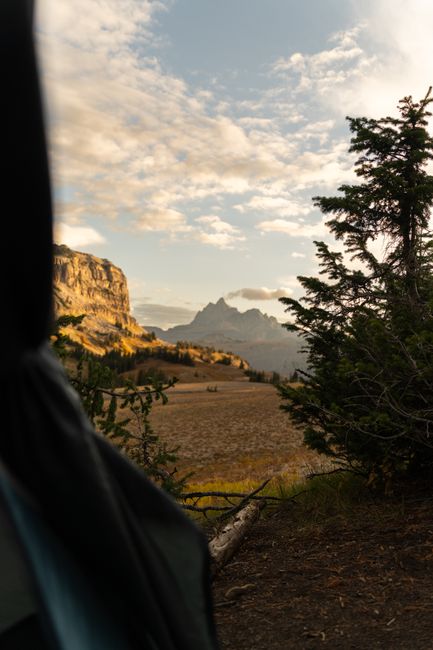
Sunrise over a Colorado mountain campsite with pine trees and a calm lake
Trip SetupWeather Ready

A Beginner’s Guide to Camping in Colorado

New to camping in Colorado? Learn where to go, what to pack, how to handle fast-changing weather, and simple etiquette tips to plan a relaxed first trip in the Rockies.

6 min read

Colorado camping, made simple

Colorado is a dream for first-time campers: mountain views, clear nights, and plenty of campgrounds ranging from easy drive-in sites to quiet forest spots.

The key is planning for altitude and quick weather changes, then keeping your setup straightforward. This guide walks you through choosing a campsite, packing smart, and enjoying your first Colorado overnight with confidence.

    Start small

    For your first trip, aim for one night at a developed campground close to home. You will learn a lot without needing a complicated itinerary.

    Where to camp in Colorado as a beginner

    Colorado offers several beginner-friendly camping styles. Picking the right one can make your trip feel easy instead of overwhelming.

    If you want simple logistics, choose a developed campground with marked sites, restrooms, and a clear check-in process. If you prefer more solitude, look for dispersed camping areas, but confirm rules and road conditions first.

    • Developed campgrounds: Great for first trips, families, and easy nights.
    • State parks: Often have reliable facilities, clear rules, and reservable sites.
    • National forest campgrounds: Scenic and usually affordable, with a more rustic feel.
    • Dispersed camping: No facilities, more freedom, requires careful preparation and responsible practices.

    Choose a realistic driving plan

    Mountain roads can be slow. Pick a campsite you can reach with daylight to spare so you can set up calmly.

    Reservations, rules, and timing

    Popular areas fill quickly, especially on summer weekends and holiday periods. Reserving ahead can reduce stress and help you secure a site that matches your comfort level.

    Before you go, check for fire restrictions, quiet hours, pet rules, and any parking limits. Colorado rules can vary by park, forest, and even by district.

    • Reserve early for weekends in peak season.
    • Check current fire restrictions and whether campfires are allowed.
    • Confirm check-in and check-out times and how payment works.
    • Know if your site includes a picnic table, fire ring, or bear box.

    Have a backup plan

    Keep one alternate campground or nearby area in mind in case conditions change or your first choice is full.

    A simple Colorado camping checklist

    You do not need fancy gear to start, but you do need the right basics. Colorado nights can feel chilly even after warm afternoons, especially at higher elevations.

    Focus on warmth, shelter, and easy meals. Pack in a way that keeps essentials accessible when you arrive.

    • Shelter: Tent with rainfly, stakes, guylines, and a ground tarp if needed.
    • Sleep: Sleeping bag rated for cool nights, sleeping pad, and a warm layer for sleeping.
    • Clothing: Layers, rain jacket, warm hat, and extra socks.
    • Food and water: Simple meals, snacks, and plenty of water or a way to treat it.
    • Light and power: Headlamp, extra batteries, and a car charger if you use one.
    • Camp basics: Trash bags, hand sanitizer, biodegradable soap, and a small first-aid kit for minor needs.

    Pack for temperature swings

    Bring one warm layer more than you think you need. In Colorado, a sunny day can turn into a cool evening fast.

    Weather and altitude: what surprises beginners

    Colorado weather can change quickly, especially in the mountains. Afternoon showers are common in summer, and wind can pick up without much warning.

    Altitude also affects comfort. You may feel more tired than usual, and the sun can feel stronger. Taking it slow and staying hydrated helps you enjoy the trip.

    • Check the forecast for your exact campground elevation, not just the nearest town.
    • Plan to set up camp before afternoon weather rolls in.
    • Drink water regularly and take breaks on your first day.
    • Use sun protection since UV exposure is stronger at altitude.

    Build a weather buffer

    Bring a simple tarp or extra cord to create a dry hangout area if a quick shower passes through.

    Leave it better: easy campsite etiquette

    Good camping etiquette keeps Colorado’s outdoor spaces welcoming and beautiful. It also makes campgrounds more enjoyable for everyone nearby.

    A few small habits go a long way: keep noise low, store food properly, and pack out everything you bring in.

    • Follow Leave No Trace basics: pack out trash and keep your site tidy.
    • Respect quiet hours and give neighbors space.
    • Store food securely and never leave it unattended.
    • Stick to established sites and trails to protect vegetation.

    Do a final site sweep

    Before you leave, walk your campsite in a slow circle and look for small items like twist ties, bottle caps, or food scraps.

    Continue the journey

    Plan your Colorado camping trip in minutes

    Use CampMate to organize your checklist, save campground details, and keep your trip plan handy even when you are off the grid.

    Related Articles

    Continue exploring camping tips and packing guides