
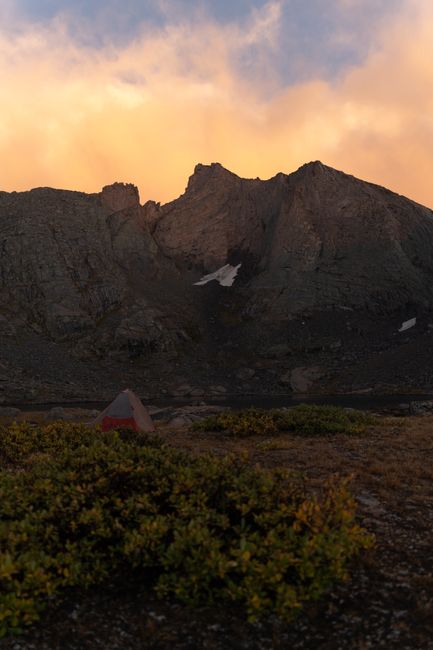
Ultralight two person tent pitched on alpine tundra near a rocky ridgeline at sunrise
Gear & PackingTrip Setup

A 620g Two Person Tent? What This Ultralight Shelter Trend Means for Your Next Trip

A two person tent that weighs around 620g sounds almost unreal. Here is what to consider before you swap your current shelter for the newest ultralight sensations, plus how to decide if this style of tent fits your camping plans.

6 min read

The wild appeal of a 620g two person tent

Every year, ultralight gear gets a little more impressive, but a two person shelter hovering around 620g still stops you mid scroll. That weight is in the realm of a rain jacket, not a shared home for the night.

If you are tempted to chase the lightest possible shelter, you are not alone. But the smartest ultralight choices come from matching the shelter to your routes, your comfort preferences, and the conditions you actually camp in.

    Quick reality check

    When comparing weights, confirm what is included: canopy, poles, stakes, guylines, stuff sack, and footprint. Some listings quote a minimum or fly only weight.

    How can a two person tent weigh only 620g?

    To hit weights this low, designers typically combine a few strategies: very thin fabrics, minimalist hardware, and a structure that relies on trekking poles or a pared down pole set.

    Materials matter a lot. High end ultralight shelters often use Dyneema Composite Fabric (DCF) or very light nylon or polyester with careful patterning to reduce panels, seams, and reinforcements.

    The result is a shelter that can feel almost futuristic in your pack, but it also means you need to be more intentional about site selection, pitch quality, and daily care.

    • Minimalist floor and fly fabric to reduce grams
    • Trekking pole or hybrid support instead of full pole architecture
    • Fewer pockets, zippers, and reinforcement patches
    • Smaller stake count assumptions for fair weather pitching

    Ask this before buying

    Do you want a true two person living space, or a one plus gear palace? Ultralight two person tents often feel snug once two wide pads go in.

    The tradeoffs: comfort, durability, and weather tolerance

    Ultralight shelters can be wonderfully capable, but they rarely feel like a roomy car camping tent. Expect tighter dimensions, more reliance on guylines, and less forgiveness if you pitch on uneven ground.

    Durability is another key tradeoff. Thin floors can be fine for careful campers, but they may push you toward using a groundsheet, choosing softer sites, and keeping sharp objects out of the tent.

    Condensation management is also worth thinking about. Many super light shelters use single wall designs or very airy inner setups. Venting, door management, and campsite airflow become part of the routine.

    • Smaller margins for sloppy pitches in wind
    • More careful campsite selection to protect thin floors
    • Potentially more condensation management tasks
    • Less interior storage and fewer convenience features

    Make ultralight feel easy

    Practice pitching at home with the exact stakes and guylines you will carry. A fast, repeatable pitch is the best comfort upgrade you can buy for zero extra weight.

    Who a super ultralight two person tent is best for

    A 620g class shelter shines for hikers who prioritize distance, elevation, and efficiency. If you are fastpacking, tackling long trails, or trying to keep your base weight low for comfort on big days, this category can be a game changer.

    It is also great for pairs who already camp with an ultralight mindset: coordinated sleep systems, compact packs, and a willingness to trade space for simplicity.

    If you are newer to backpacking, camp in consistently wet environments, or value roomy indoor hangout time, you might prefer a slightly heavier shelter with more structure and livability.

    • Best for: long distance backpacking, fastpacking, and minimalist pairs
    • Nice to have: trekking poles and strong pitching habits
    • Consider alternatives if: you want lots of interior space or maximum storm forgiveness

    A practical sizing test

    Check the floor width against your pads. Two regular pads fit in many tents, but two wide pads can change the whole experience.

    How to choose the right ultralight shelter without regrets

    Start with your typical trips: season, terrain, and how often you expect wind, rain, or buggy nights. Then look at the shelter design that best matches those conditions.

    Next, focus on the details that matter in the field: entry style, vestibule coverage, peak height, stake requirements, and how many pitch modes are possible when the ground is rocky or soft.

    Finally, think about the whole system weight. A very light tent can require extra stakes, a groundsheet, or more guylines. Those additions can still be worth it, but you should plan for them.

    • Confirm packed weight with your real stake and guyline kit
    • Check minimum stake count for a storm worthy pitch
    • Look for venting options and door configurations
    • Decide whether you prefer double wall comfort or single wall simplicity

    CampMate planning shortcut

    Build a packing list by trip type (fair weather, shoulder season, buggy nights). It makes it easy to see when an ultralight shelter is the right call.

    Ultralight is fun, but the best shelter is the one you trust

    A 620g two person tent is a reminder that gear innovation is moving fast, and it is exciting to see what is possible. For the right trips and the right campers, this kind of shelter can feel like hiking with a superpower.

    The key is to match the tent to your reality: where you camp, how you sleep, and how much fuss you want at the end of the day. Nail that, and ultralight becomes less about bragging rights and more about enjoying the miles.

      If you are on the fence

      Consider a slightly heavier ultralight tent first. You can still cut major weight while gaining comfort and weather flexibility.

      Continue the journey

      Plan lighter, camp smarter

      Use CampMate to build trip specific packing lists, compare shelter setups, and keep your ultralight kit dialed for the conditions.

      Related Articles

      Continue exploring camping tips and packing guides